Safina Party leader Jimi Wanjigi has issued a stern warning to Kenya’s financial institutions. He is telling commercial banks to stop lending money to the government.
This message comes just days after the Finance Bill 2026 was presented to Parliament.
Wanjigi claims that the government is burdening the country with illegal and odious debt. He argues that much of this borrowing was done without proper oversight.
The "Buyer Beware" Warning
Speaking at a press briefing in Nairobi, the tycoon warned banks against subscribing to government debt instruments. These include Treasury bills and bonds. He stated that these obligations might not be honoured in the future.
"Today, Kenya's debt stands at Sh13 trillion, yet the country has little tangible infrastructural development to show for it," Wanjigi said on Monday during a press conference.
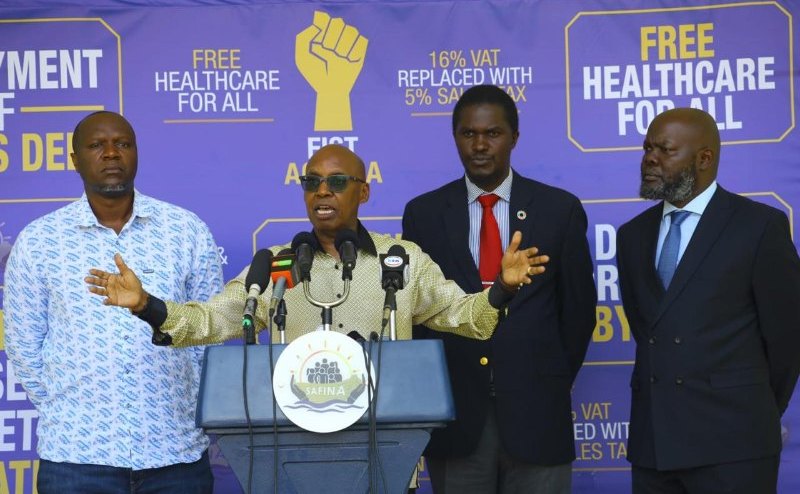
Wanjigi believes that domestic borrowing is hurting the economy. He says it "crowds out" the private sector. This makes it harder for ordinary businesses to get affordable loans.
Allegations of Illegal Debt
Wanjigi’s concerns go back several years. He claims that a secret sovereign bond account was created in 2014. According to him, this account exists outside the official Consolidated Fund.
He argues that this system allows the government to borrow money without the scrutiny of the Controller of Budget. He has called for an urgent audit of all public debt.
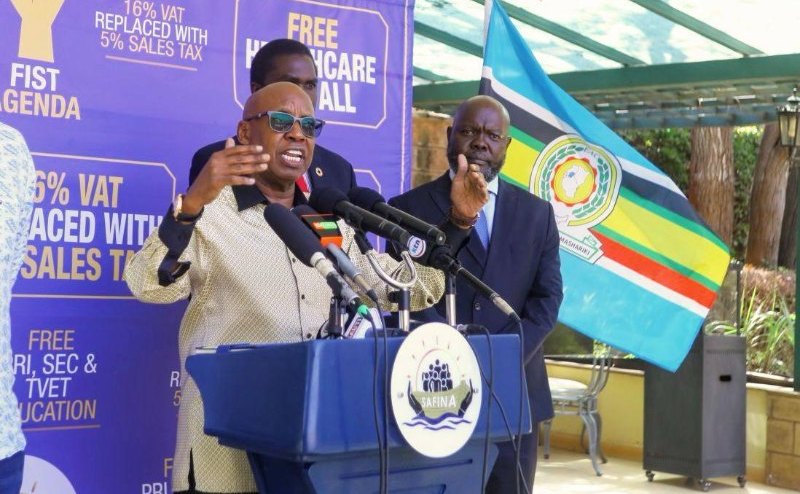
Wanjigi is urging Kenyans to reject the new Finance Bill entirely. He describes it as a "debt budget." He says the government is prioritising creditors over the welfare of its citizens.
"Kenya is paying illegal debts and it is hurting Kenyans. Stop paying for illegal debt that was incurred during Uhuru's time," Wanjigi said.
The businessman turned politician argues that the Sh2.6 trillion used for debt servicing should go elsewhere. He wants the money spent on healthcare, education, and infrastructure.
Parliament is currently beginning its scrutiny of the Finance Bill 2026. As this happens, public interest in government spending and the country’s growing debt remains high.