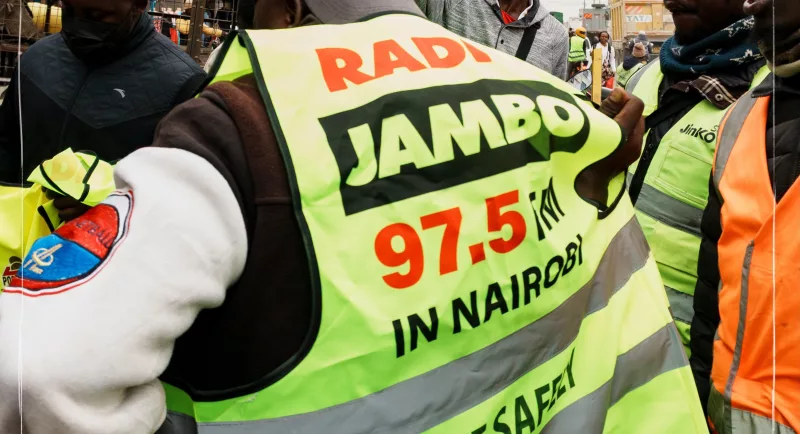
Kenya's decision to accommodate a proposed Ebola rehabilitation and quarantine programme for individuals exposed to the virus sparked widespread public debate and heightened tensions between sections of the population and government officials.
The move generated strong reactions across the country, with critics raising concerns over public health, transparency, and the potential risks associated with hosting individuals linked to Ebola outbreaks reported in parts of East and Central Africa.
Demonstrations were held in several areas, particularly around the proposed facility in Laikipia County, as citizens voiced their opposition to the plan. The issue quickly evolved into a national conversation, attracting attention from political leaders, civil society groups, and members of the public.
Local Backlash and Legal Hurdles in Laikipia
The pushback has been heavily concentrated in Laikipia County, where the proposed installation at the Nanyuki airbase has triggered intense local resistance. Local leaders and residents have fiercely objected to the site selection, citing zero prior public participation and a profound risk to the region's prominent tourism economy.
Safety concerns have also hit close to home, as the designated military area sits in close proximity to local primary schools. The resistance has shifted from peaceful demonstrations to legal battles and active civil unrest, leading to temporary court injunctions suspending the project and tragic clashes between protesters and law enforcement.
Geopolitical Pressures and International Travel Controls
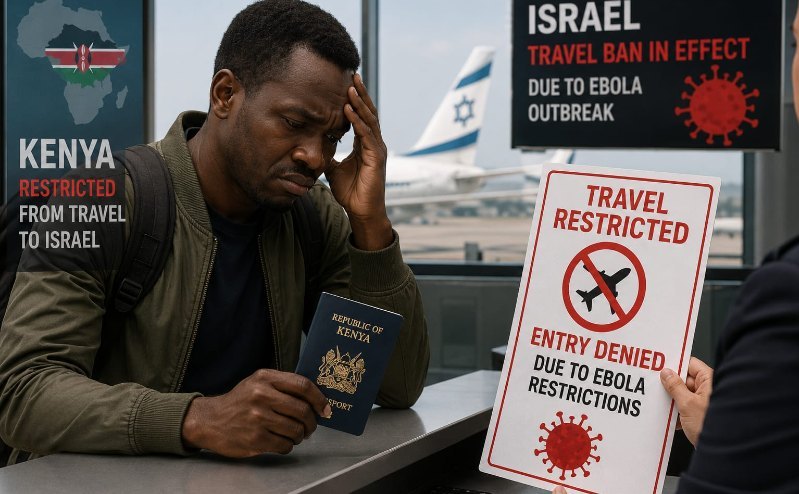
Amid the growing controversy, Israel announced travel restrictions affecting travellers from Kenya, alongside several other African countries, citing concerns related to the ongoing Ebola outbreak in the region. According to notices issued by Israeli authorities, the restrictions were introduced as part of precautionary measures aimed at reducing the risk of importing Ebola cases into the country. The measures target foreign nationals who have recently been in countries considered to be at an elevated risk of exposure to the virus.
National Preparedness vs. Diplomatic Fallout
The development added a new dimension to the debate within Kenya, coming at a time when the government had been defending its preparedness measures and public health response. Health authorities have maintained that Kenya has not recorded any confirmed Ebola cases and have continued to strengthen surveillance, screening, and preparedness efforts at points of entry across the country. Thousands of travellers have been screened as officials work to prevent the disease from entering the country.
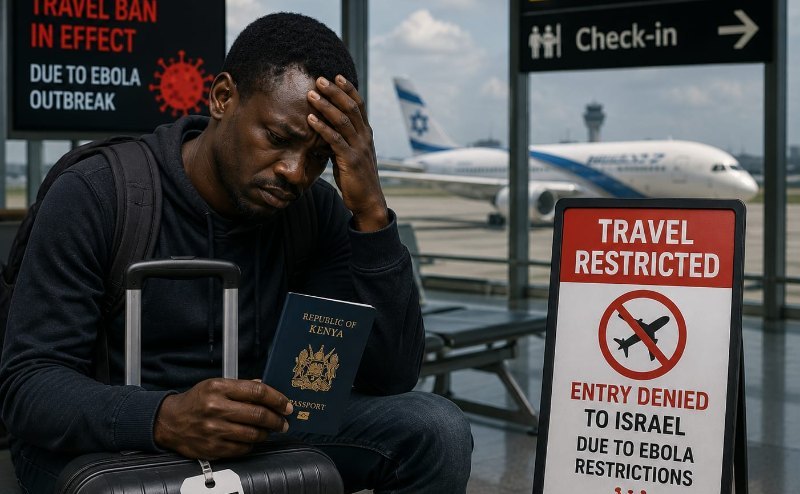
Israel's decision has since drawn attention from travellers, businesses, and stakeholders monitoring the impact of regional Ebola-related measures on international movement and diplomatic relations. The situation remains under close observation as authorities in the affected countries continue to respond to developments surrounding the outbreak and related travel policies.