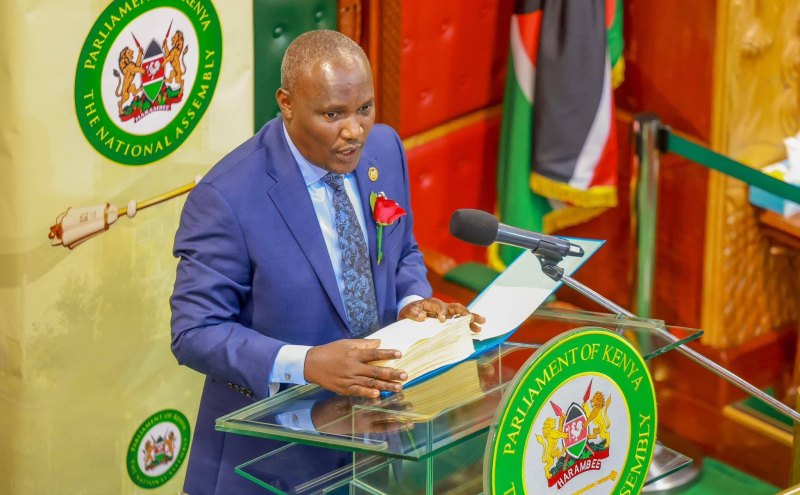
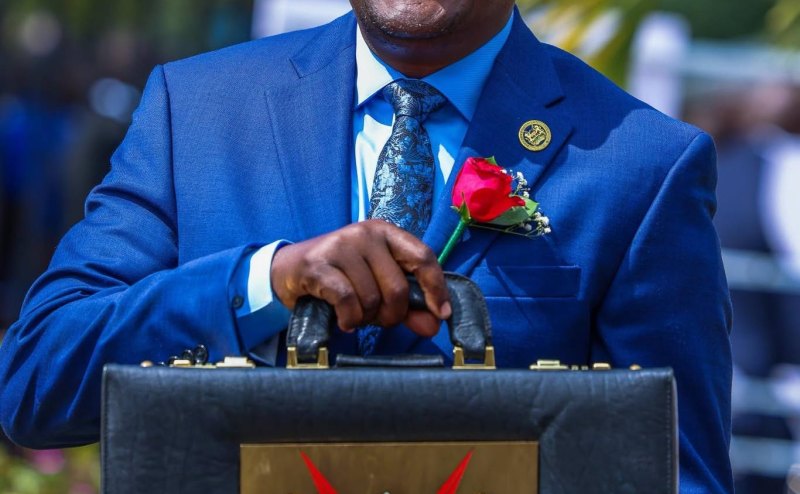
For more than a million Kenyans, Thursday was supposed to be a day of financial reprieve. Instead, it brought a heavy silence. Treasury Cabinet Secretary John Mbadi concluded his three-hour budget presentation to the National Assembly without mentioning the promised tax relief for the country’s lowest earners.
The 2026/2027 budget highlights were expected to codify a long-standing pledge. This pledge, backed by President William Ruto, aimed to exempt workers earning less than Ksh 30,000 per month from Pay As You Earn (PAYE).
A Promise in Limbo
The hope for this exemption has been building for months. CS Mbadi first signaled the move in February. President Ruto later seconded this commitment during multiple public events, suggesting the relief was a priority for his administration.
However, as the final budget plans were laid out on Thursday, the exemption was nowhere to be found. The news is a significant blow to low-income households struggling with the high cost of living.
“Not Off the Table”
The government maintains that the delay is not a cancellation. Mbadi, while speaking to journalists moments after presenting the budget estimates in Parliament, he emphasized that the proposal is still undergoing data analysis and will be implemented at a later date.
“Even if it’s not in the finance bill, it is not off the table. We are going to make sure that the promise by the president and the CS National Treasury will be implemented,” he assured.
In June, the Treasury had already shelved a special Tax Laws Amendment Bill 2026. At the time, they signaled that the reliefs would instead be moved into the main Finance Bill 2026. This has yet to materialise.
The Sh40 Billion Bottleneck
The delay appears to be rooted in a struggle between political promises and fiscal reality. President Ruto recently admitted that his own officials at the Treasury expressed serious concerns about the plan.
Treasury experts reportedly warned the President that the tax break would create a massive hole in the national coffers. Specifically, the exemption for low-income earners is estimated to cost the government Ksh 40 billion in lost revenue in a single financial year.
Despite this, the President reportedly told his team to "let's do it," yet the proposal failed to make it into the formal revenue-raising measures submitted to Parliament this week.
For now, workers earning under Ksh 30,000 will continue to see PAYE deductions on their payslips. The government remains non-committal on exactly when the new proposal will be submitted to the National Assembly.
While the Treasury insists the plan is "still on the table," the lack of a clear timeline has left many workers feeling abandoned. As the new financial year approaches in two weeks, the wait for relief continues.