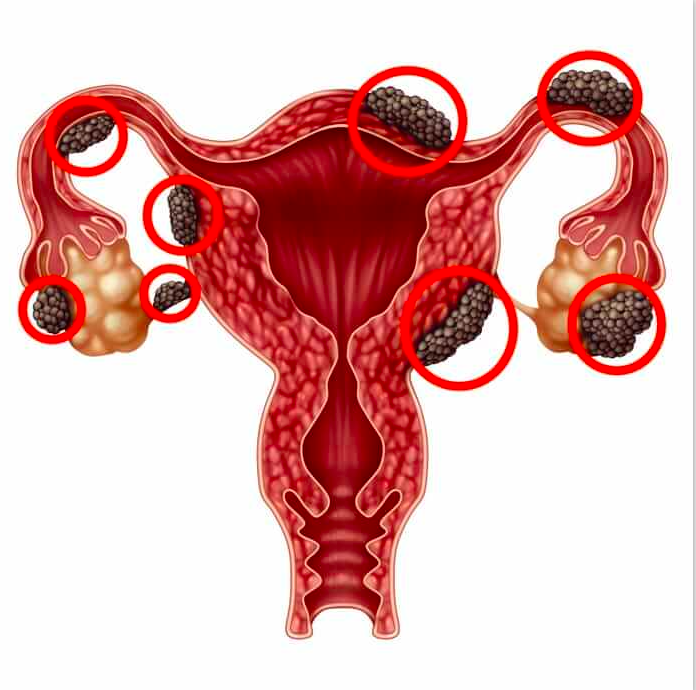
 Endometriosis
Clinically, it is a major cause of chronic pelvic pain, infertility, and reduced quality of life. Common symptoms include painful menstruation (dysmenorrhea), pain during sexual intercourse (dyspareunia), gastrointestinal and urinary disturbances, fatigue, and systemic inflammatory features. Endometriosis affects an estimated 6-10% of reproductive-aged women and up to 50% of women with infertility or chronic pelvic pain. Current research highlights its multifactorial aetiology, involving hormonal imbalances, immune dysfunction, genetic predisposition, and environmental exposures. Emerging evidence also suggests links with autoimmune diseases and certain cancers, although these associations are still being investigated.
Diagnosis and management
Diagnosis of endometriosis remains challenging. Laparoscopy is the gold standard, but it is invasive and not widely accessible in many settings. Advances in imaging and biomarker research offer hope for non-invasive diagnostic approaches. Globally, there is a significant delay in diagnosis, averaging 7-10 years, which contributes to disease progression, psychological distress, and increased healthcare costs. Currently, there is no definitive cure for endometriosis. Management focuses on symptom control through hormonal therapies, pain management, and surgery in severe cases, though recurrence is common.
In the South of Sahara, including Kenya, reliable population-based data are limited, contributing to the misconception that endometriosis is rare among African women. Earlier studies suggested racial differences in prevalence; however, recent evidence indicates that disparities are largely due to underdiagnosis, delayed diagnosis, and unequal access to healthcare. African and African-descendant women often present with more severe disease and experience longer diagnostic delays.
Barriers and limitations to timely diagnosis
Barriers in Africa include limited diagnostic facilities, few trained specialists, lack of routine histological confirmation, and underdeveloped research programs. Sociocultural factors, stigma, and evolving reproductive patterns such as delayed childbirth and fewer children may also influence disease recognition.
Although available, insurance coverage for endometriosis care in Kenya is inconsistent and often treats it as a pre-existing condition. This leads to high out-of-pocket costs for patients, delaying diagnosis for those who cannot afford care. To better address this overlooked condition in low- and middle-income countries, it is essential to raise awareness, improve diagnostics, and strengthen research and healthcare systems.
Seen but unheard - the painful reality of women and endometriosis
Mental health influences how we think, act, and feel. It influences our relationships, productivity, and physical health, and in today’s fast-paced world, mental well-being is more important than ever. However, this is not the case for many women suffering from endometriosis. Endometriosis is more than a chronic condition, and many mental health struggles remain unseen, overlooked, or misunderstood. Although conversations around Endometriosis are slowly increasing, especially in Kenya, the mental health impact of the condition remains largely overlooked.
Anxiety, depression, emotional exhaustion, and social isolation are common experiences for women with endometriosis. Persistent pain can disrupt work, education, relationships, and daily life. Unfortunately, from a young age, women are often told that painful periods are “normal” and that the pain will improve after childbirth. But is this true? This normalisation of painful periods can lead to delayed diagnoses and feelings of invalidation.
As these women transition into adulthood, they often face questions like “When will you have children?” or “You’re getting older; just have a child.” These recurring inquiries during social gatherings can provoke overwhelming thoughts and distress. They serve as constant reminders of the time and money spent moving from one hospital to another, the ongoing pain endured, and the desire to have children while still waiting to hold a child in their arms someday. The truth is that someone can be part of your group or family but still feel unseen and unheard.
Research by the WHO in 2023 showed that delayed treatment and chronic pain significantly increase psychological distress among women with endometriosis. Beyond the physical symptoms, women may struggle silently with stigma, infertility concerns, financial strain from repeated medical visits, and lack of support. The emotional toll can be overwhelming, especially when family members, employers, or healthcare systems misunderstand their symptoms. It is crucial to recognise the mental health impact of endometriosis in order to provide the best care and support.
Holistic and Integrative Support
Fortunately, more information sessions are being held throughout March, which is recognised as Endometriosis Awareness Month. During a webinar hosted by Roots of Hope Psychological and Consultancy Services, one key issue became clear: women require holistic care that addresses both their physical and emotional well-being. This unique event brought together scientists, psychologists, and safeguarding specialists to take a comprehensive approach to understanding endometriosis and its mental health implications, an area that has often been overlooked. Mental health support should be integrated into endometriosis care through counselling, peer support groups, education, and compassionate healthcare services.
As the healthcare sector continues to raise awareness on women’s health, it is important to normalise conversations about menstrual health and emotional well-being. Supporting women with endometriosis requires active listening, recognising their pain, showing kindness, and providing access to medical and psychosocial support. A reimagined approach to endometriosis care is shifting toward early, non-invasive diagnosis, personalised treatment plans, and comprehensive, holistic support, rather than a one-size-fits-all model. Overall, endometriosis significantly impacts physical health, mental well-being, and productivity.
Written by Ms. Purity W. Kibui, a Licensed Psychologist, Mental Health Advocate and founder of Roots of Hope Psychological and Consultancy Services; Prof. Dr. Mutinda C. Kyama, an Academician, Scientific Scholar, Clinical Cytologist and an expert in pathogenesis of endometriosis; Mr. Martin Munyagia, a Safeguarding Practitioner focusing on issues of safeguarding, gender, disability, and social inclusion; and Dr. Pauline W. Kibui, an Embryologist, Reproductive Biology Scholar and an advocate for (in)fertility awareness and women in STEM.


![Africa CDC Director General Dr Jean Kaseya at a past event. [Photo: Arthur Mbuguah, WHM]](https://cdn.radioafrica.digital/image/2026/10/8ced213c-affb-4dff-97ca-1b6bac1f958e.webp)