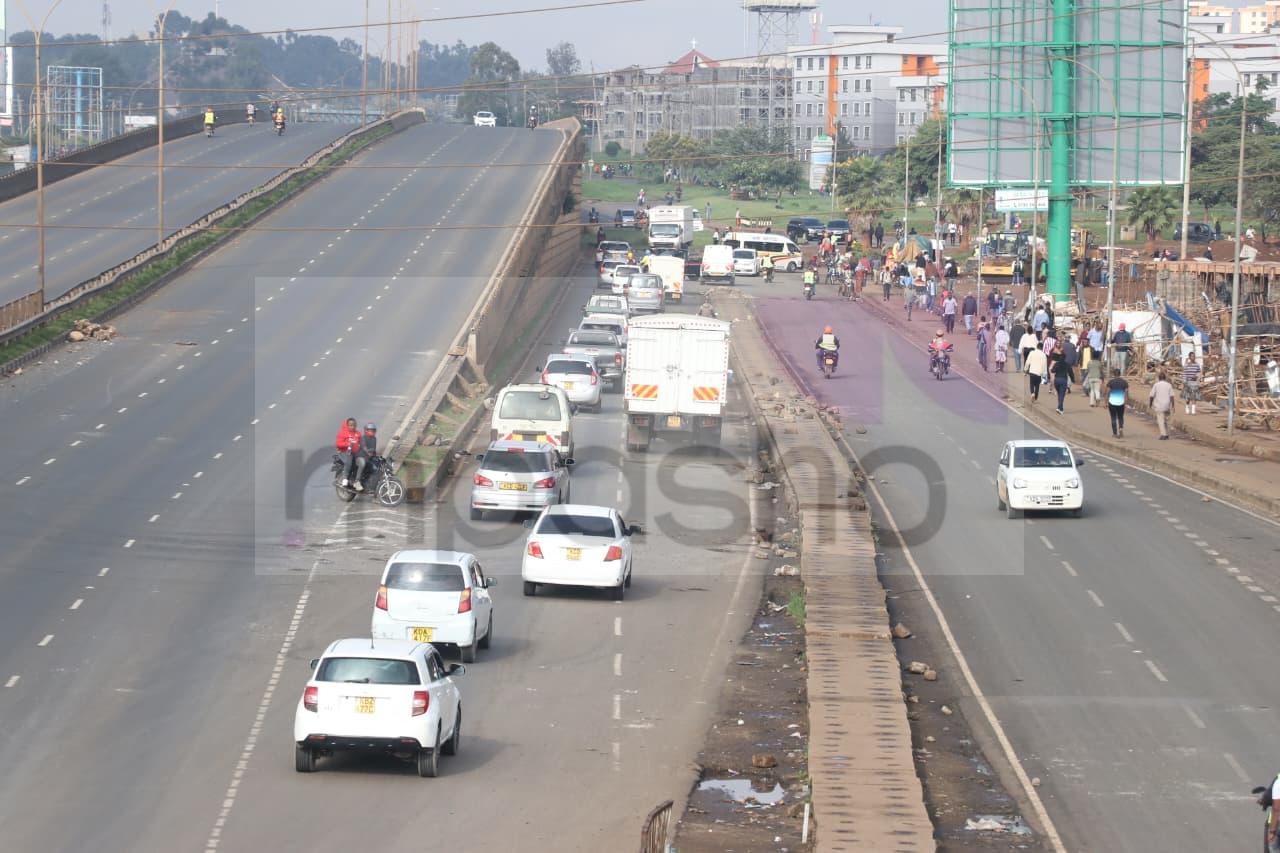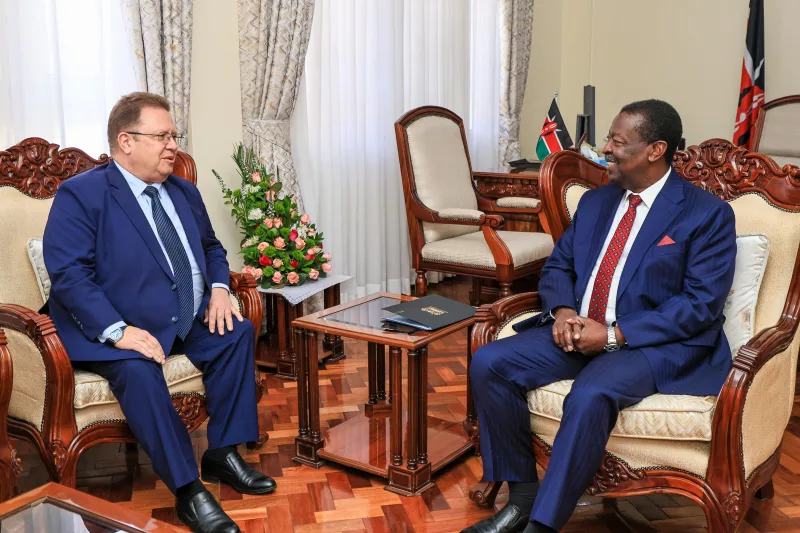
Nairobi’s transport crisis deepened on Tuesday as the nationwide public transport strike entered its second consecutive day. Despite late-night government interventions to lower diesel costs, major transport corridors across the capital remained completely paralyzed.
The ongoing standoff has left thousands of ordinary workers and students facing massive disruptions.
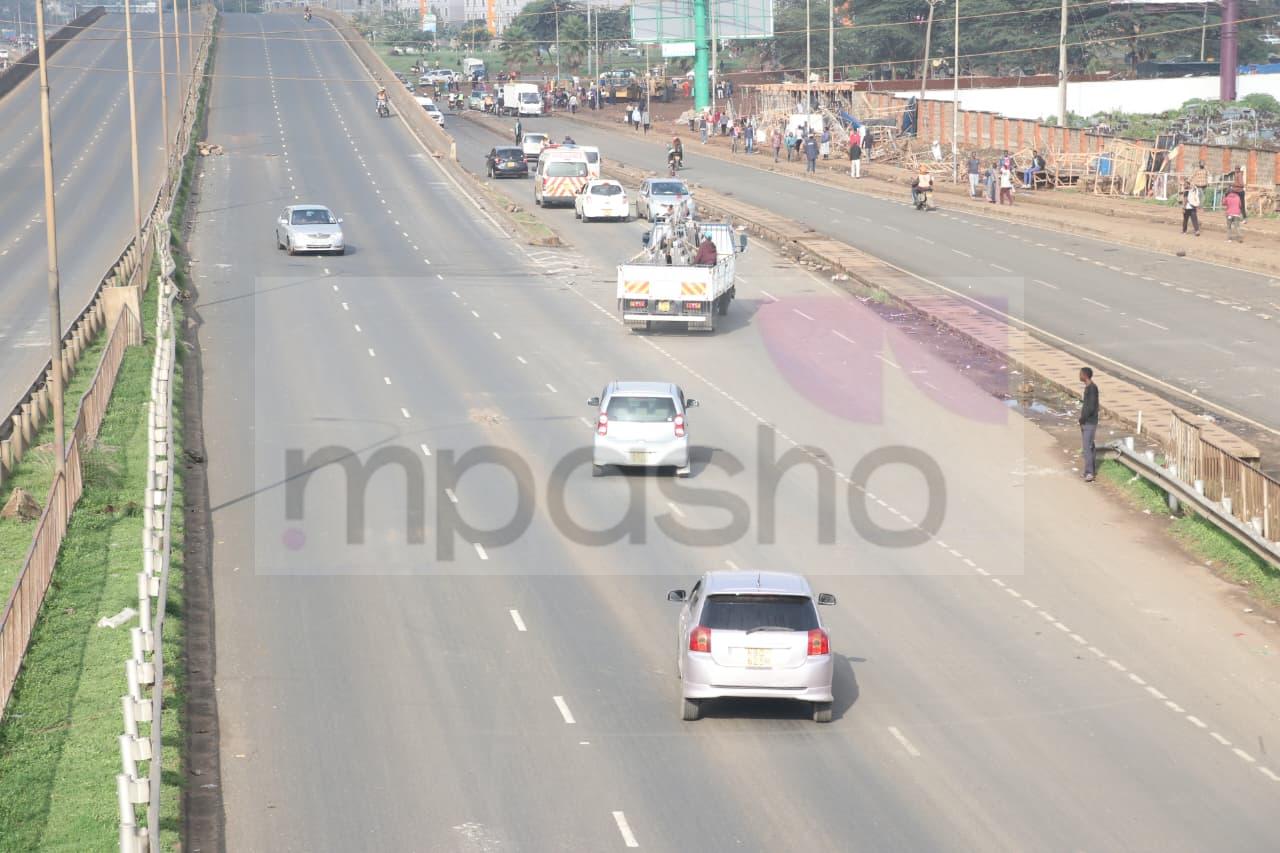
A morning survey across the city revealed an unusual sight on typically congested highways. Major arteries, such as Thika Road, were virtually clear of public service vehicles.
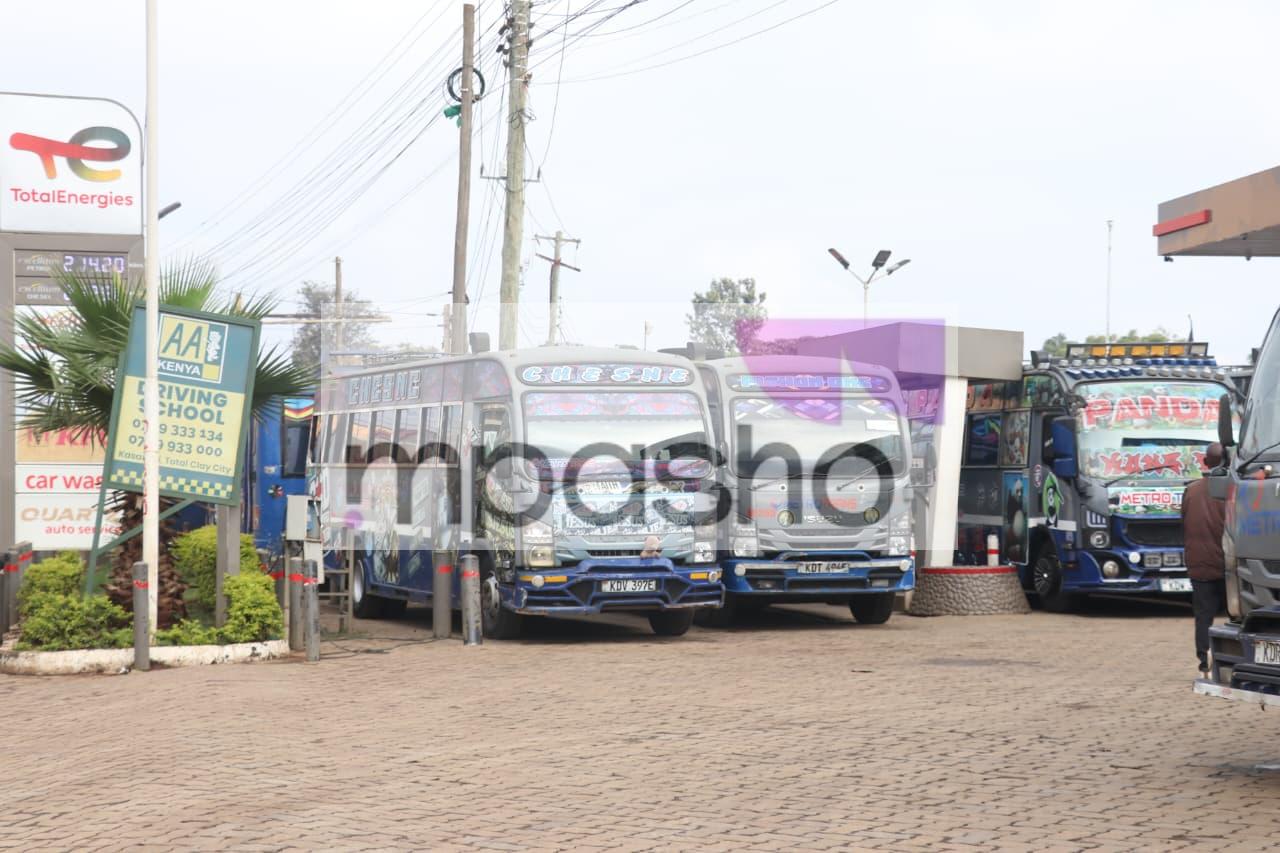
Instead, hundreds of multi-passenger matatus and minibuses were spotted parked closely together at various petrol stations along the busy super highway.
From total petrol stations to local independent fuel depots, operators chose to ground their fleets rather than pick up passengers.
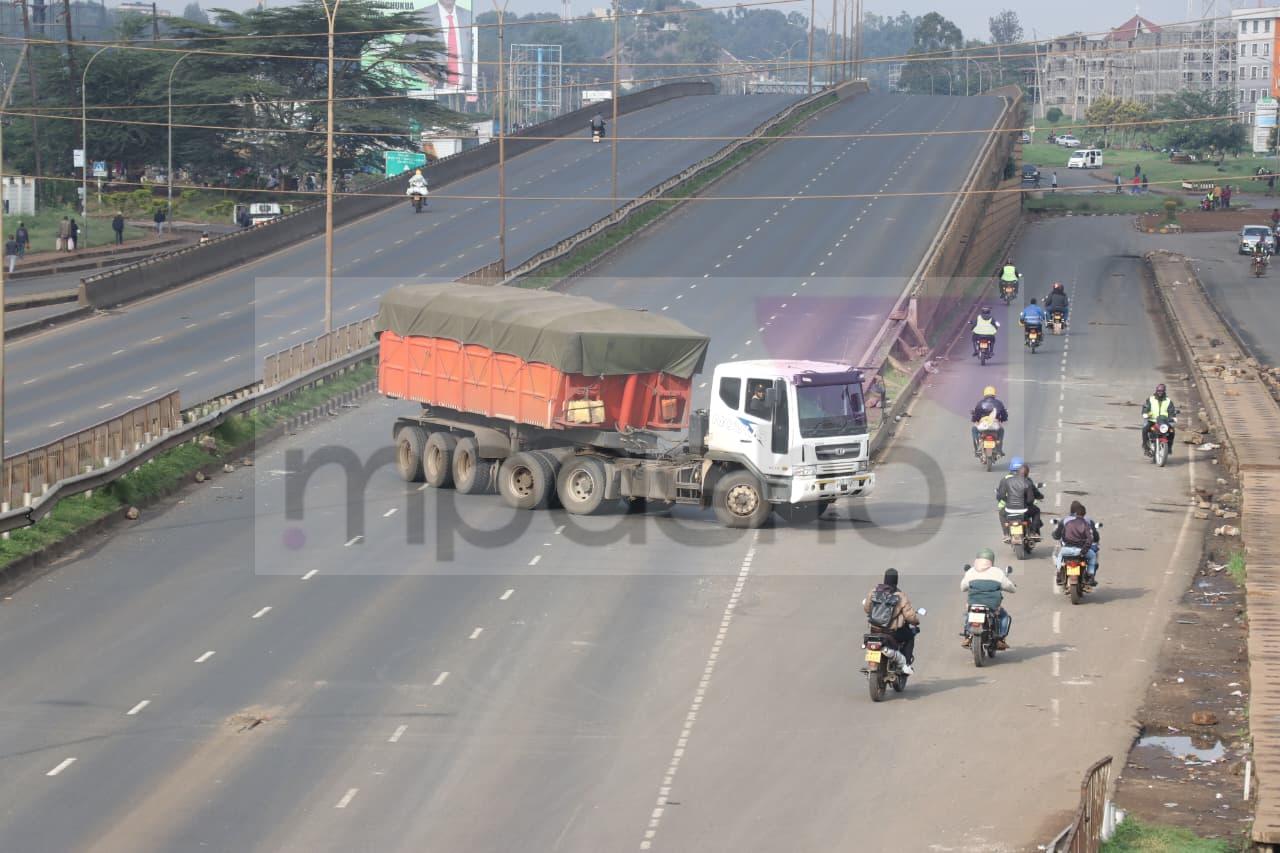
The few operators who attempted to defy the strike call faced immediate hostility on the roads. Along the Thika Superhighway, a handful of vehicles that tried to commute were quickly intercepted by striking non-compliant youths.
Drivers were forced to make hasty, unplanned U-turns on the wide tarmac lanes, sending passengers scrambling out of the vehicles to safety.
Pedestrians Bear the Brunt of the Standoff
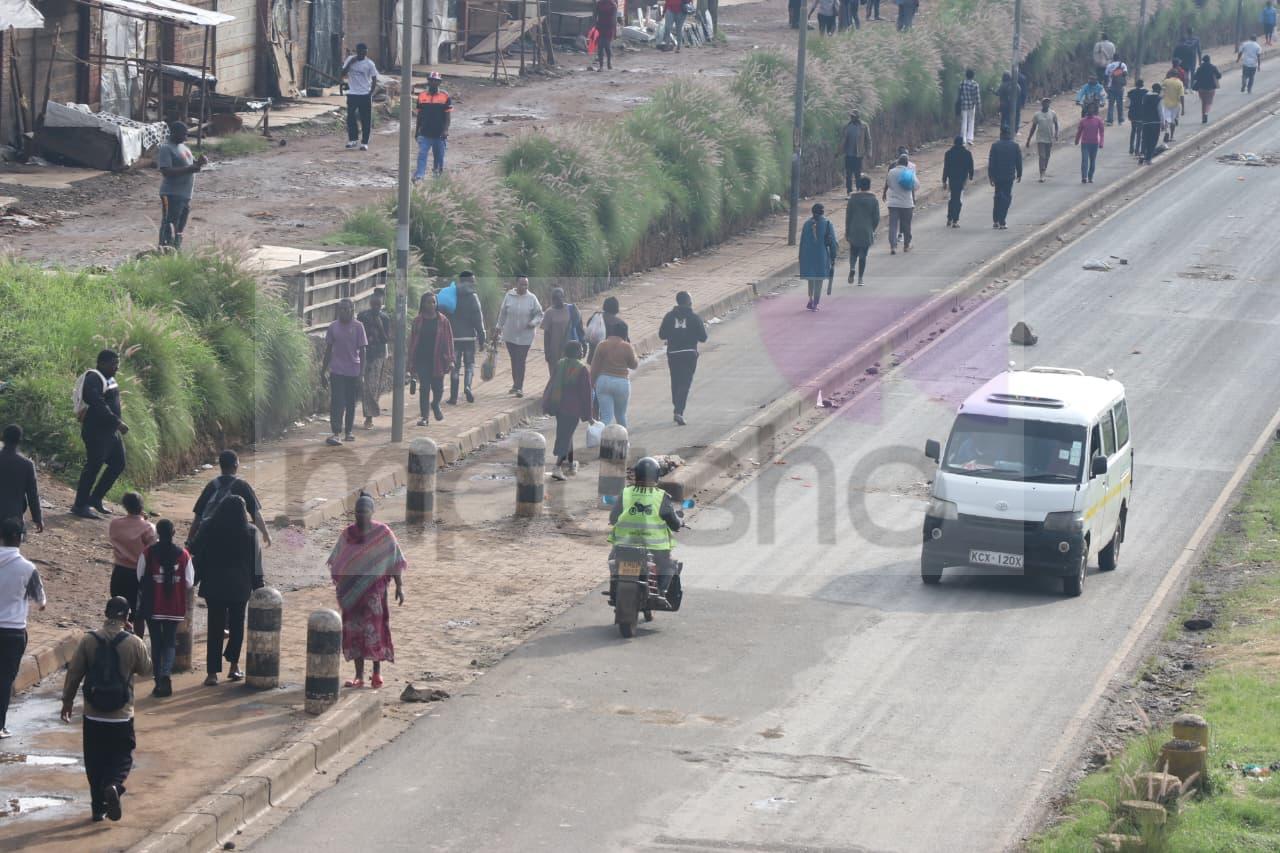
With public service vehicles missing from the grid, the burden fell heavily on the city's workforce. Dense crowds of pedestrians lined the edges of the highways, walking long distances under overcast skies to reach the Central Business District (CBD).
Many commuters reported walking for over two hours from outer estates like Kasarani, Roysambu, and Githurai.
The Unresolved Fuel Deadlock
The transport shutdown was triggered by the Energy and Petroleum Regulatory Authority’s (EPRA) mid-May pricing review. The state raised diesel prices heavily, pushing pump prices to KSh 242.92 per litre in Nairobi.
Following a chaotic Monday that saw four fatalities and over 340 arrests during protests, the government attempted an emergency late-night dialogue.
While Energy Cabinet Secretary Opiyo Wandayi announced a KSh 10.06 reduction for diesel to bridge the gap with kerosene, the Transport Sector Alliance flatly rejected the deal.
Led by the Matatu Owners Association, stakeholders directed their members to keep all vehicles at home on Tuesday. They insisted that a price drop of at least KSh 30 to KSh 35 per litre is required to make public transport sustainable again. Deliberations are expected to continue through Wednesday.