
Nairobi’s central railway station and estate terminuses were overwhelmed by massive crowds on Tuesday morning.
Thousands of desperate commuters abandoned the city's empty roads and turned to the diesel commuter train service. The sudden surge in rail transport came as the nationwide public service vehicle (PSV) strike entered its second day, leaving the capital's road transit networks completely paralyzed.
Empty Roads and Grounded Fleets
The morning peak hours presented an eerie picture across Nairobi. Usually congested routes like Jogoo Road, Thika Road, and Mombasa Road carried minimal private traffic.
Instead of operating, hundreds of matatus from major saccos remained parked in neat lines inside fuel stations and roadside yards, completely withholding their services.
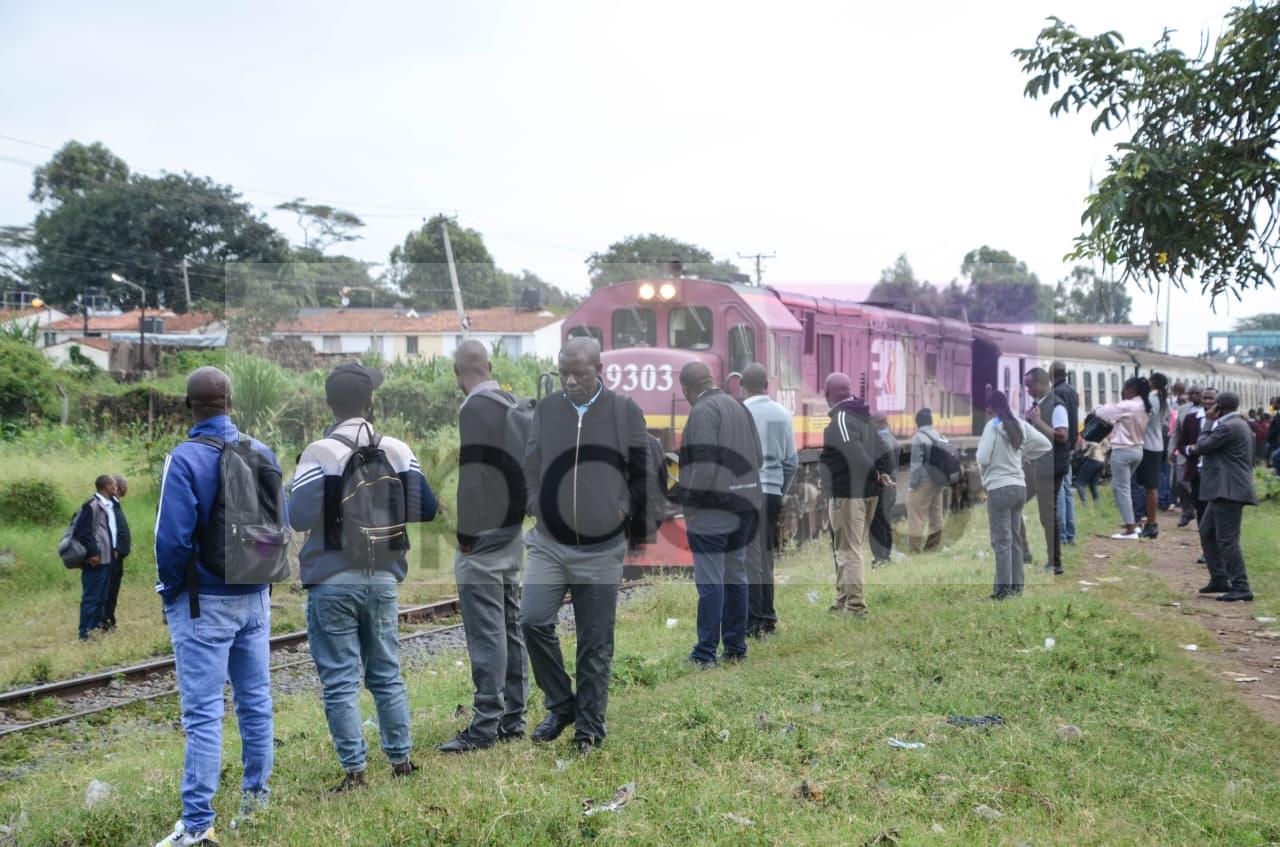
On the walkways, long lines of pedestrians trudged quietly through the morning chill, determined to reach their workplaces on foot. However, for those living near rail corridors, the Kenya Railways commuter trains became the ultimate lifeline.
Chaos and Heavy Crowds at the Stations
At suburban hubs like Syokimau, Makadara, Dandora, and Githurai, train platforms were packed to capacity long before the scheduled boarding times. Surveillance footage and images captured thousands of passengers tightly squeezed onto station platforms, pushing forward to catch a spot on the arriving locomotives.
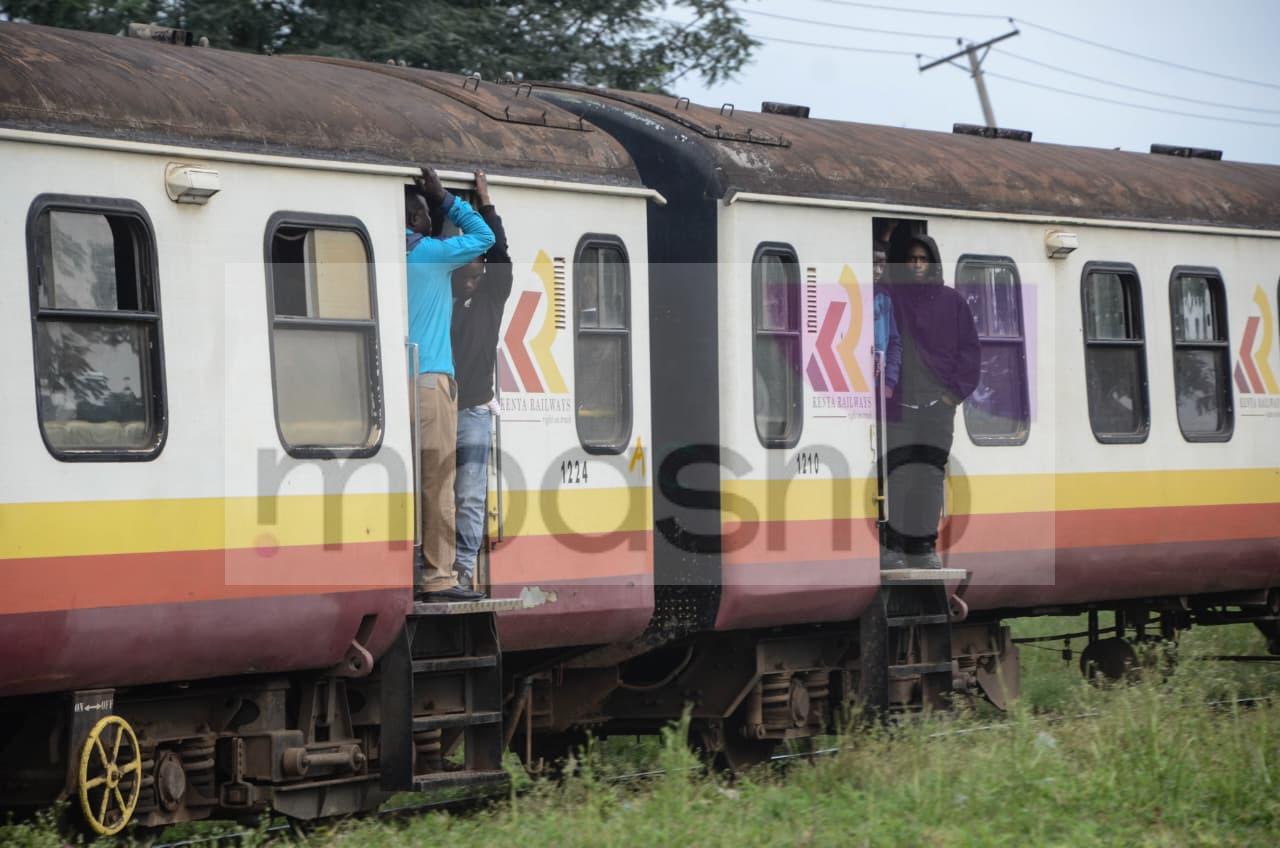
Inside the coaches, passengers stood chest-to-back, filling every available inch of space. Long lines at ticket booths snaked out of station gates and onto adjacent streets, as automated ticketing systems struggled under the sudden volume of desperate travellers.
The Unbroken Fuel Deadlock
The transport crisis stems from a steep price adjustment by the Energy and Petroleum Regulatory Authority (EPRA). The authority raised diesel prices to KSh 242.92 per litre in Nairobi, representing an unprecedented one-month increase of KSh 46.29.
An emergency late-night meeting on Monday between Ministry of Transport officials and the Transport Sector Alliance collapsed without a formal resolution. While the state offered an immediate KSh 10.06 price reduction for diesel to cushion operators, transport associations flatly rejected the gesture.
The Matatu Owners Association maintains that diesel prices must fall by a minimum of KSh 30 per litre to offset high operational overheads. With further negotiations scheduled for Tuesday and Wednesday, transport operators have vowed to keep their vehicles grounded.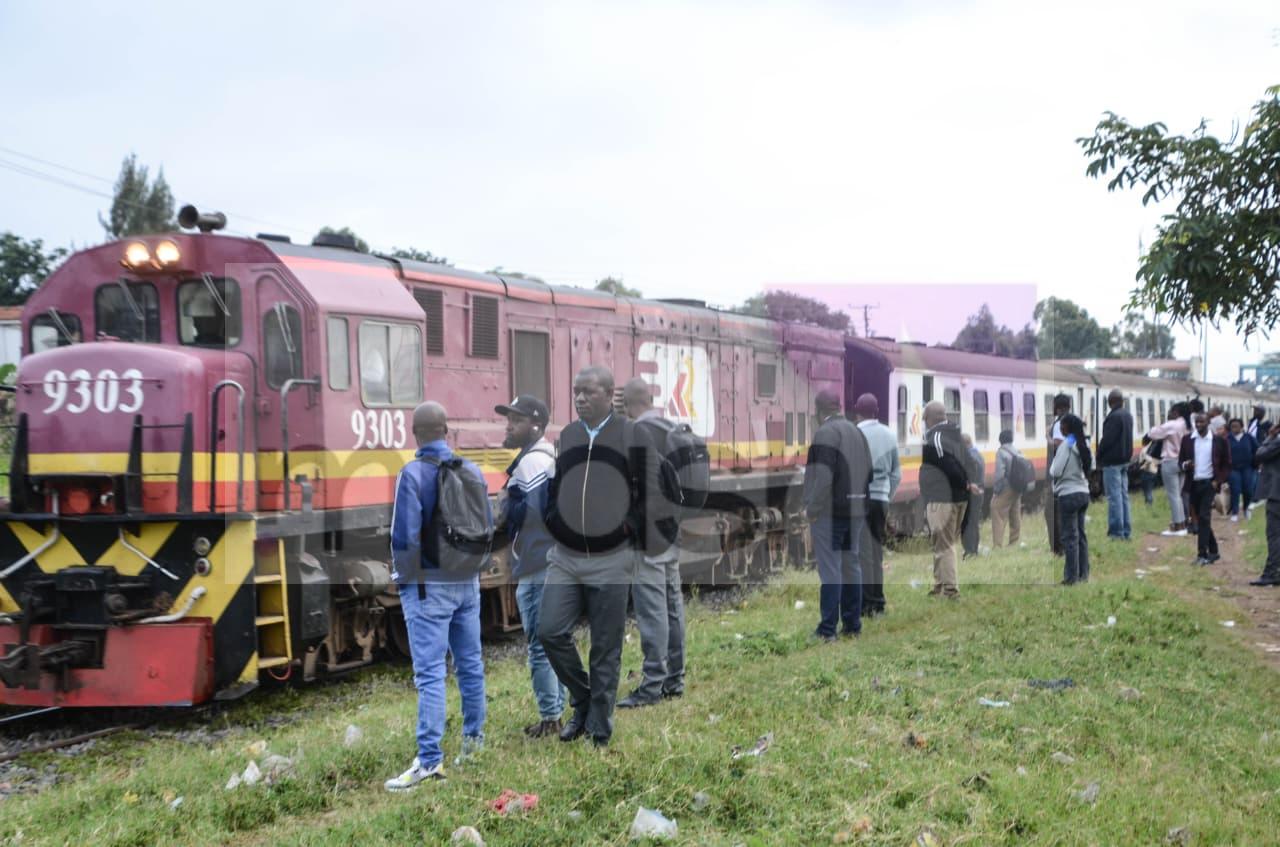
In the meantime, the city's rail infrastructure continues to bear the heavy weight of Nairobi's stranded workforce.