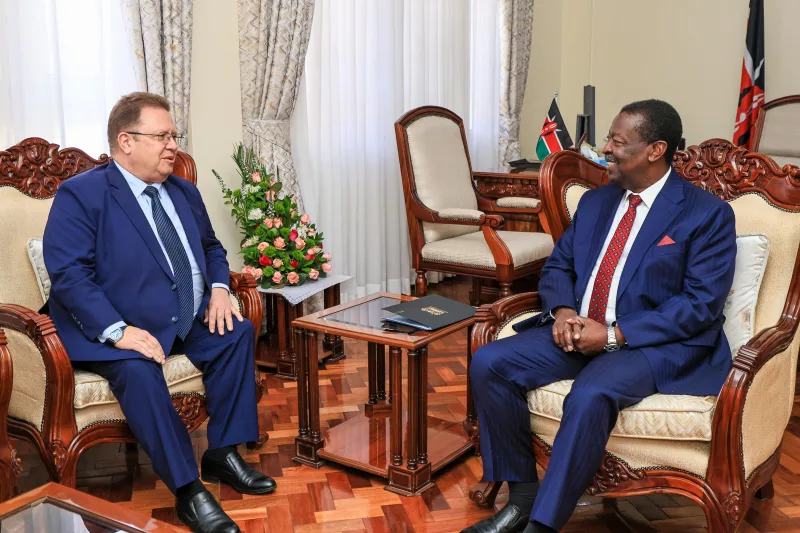
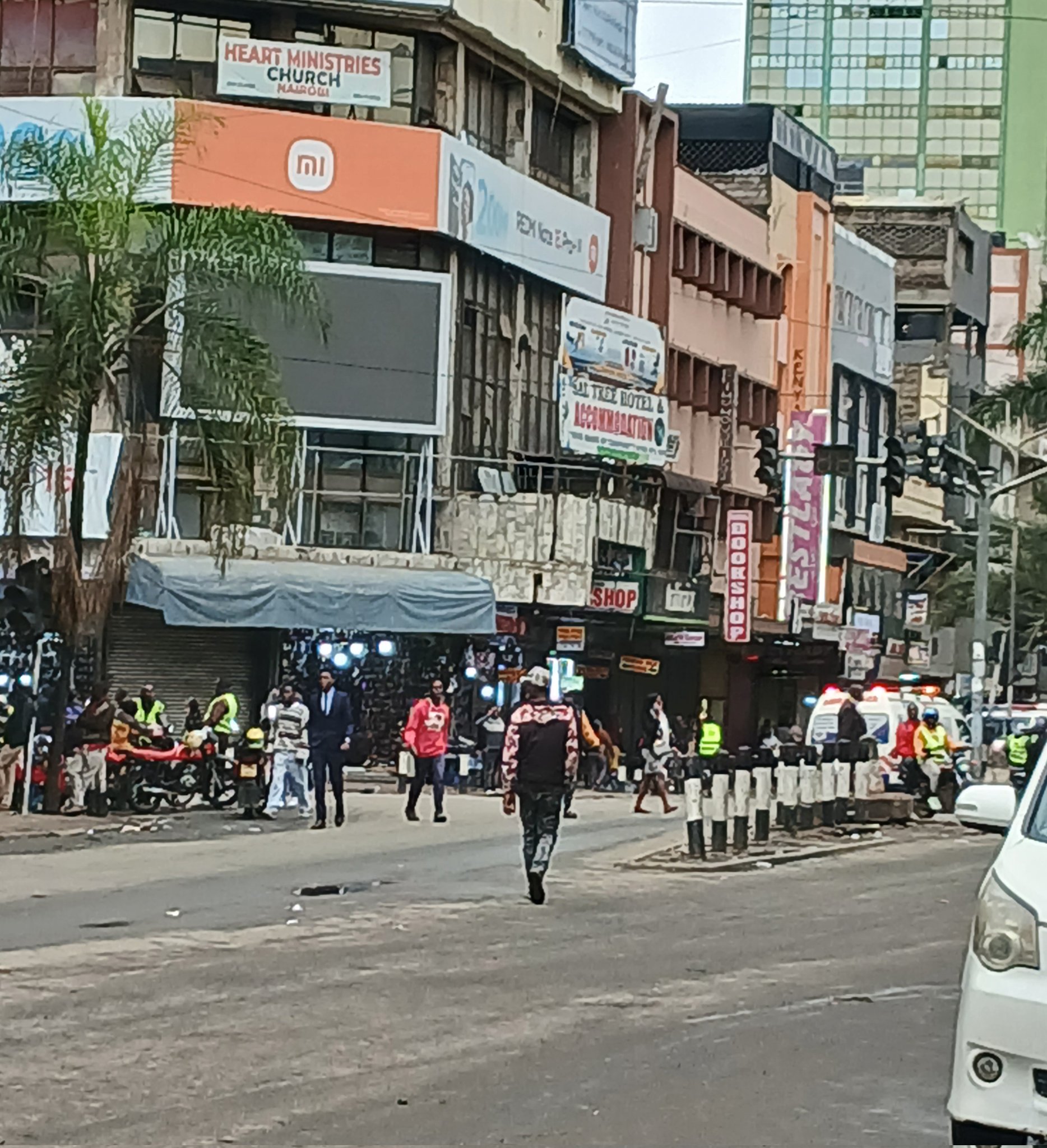
Thousands of commuters in Nairobi were forced to walk long distances to their workplaces on Monday morning. This followed a nationwide shutdown called by public transport operators. The strike is a protest against a sharp increase in fuel prices.
Empty Roads and Busy Sidewalks
On Waiyaki Way, usually one of the city's busiest routes, the scene was unusually quiet. The wide highway saw minimal sightings of public transport vehicles. Instead, a few personal cars cruised swiftly on the completely clear, no-traffic roads.

While the tarmac remained largely empty, the sidewalks told a different story. Streams of workers hurried along the pedestrian pathways on Waiyaki Way, heading towards the Westlands business hub and the Central Business District (CBD).
People from various walks of life braced for the long trek under overcast skies just to secure their livelihoods.
Record-Breaking Pump Prices
The industrial action follows the latest monthly review by the Energy and Petroleum Regulatory Authority (EPRA). The regulator announced historic price hikes that sent shockwaves through the sector.
The Transport Sector Alliance, a coalition that includes the Matatu Owners Association and the Motorist Association of Kenya, called for the strike to pressure the government into reversing the prices.
"Following a high-level consultative meeting, all stakeholders in Kenya's transport sector have unanimously reaffirmed that no vehicle shall move starting midnight." — Transport Sector Alliance Statement.
Major commuter networks, including the popular Super Metro fleet, suspended all operations in compliance with the strike.
In its latest monthly pricing review, the Energy and Petroleum Regulatory Authority (EPRA) announced historic upward adjustments for petroleum products, effective from 15 May to 14 June 2026.
In Nairobi, the price of Super Petrol increased by KSh 16.65, pushing it to KSh 214.25 per litre. Meanwhile, Kerosene prices remained unchanged at KSh 152.78 per litre, offering minimal relief to households relying on it for domestic use.
The heaviest burden fell on the transport and logistics sectors, with Diesel prices skyrocketing by an unprecedented KSh 46.29 per litre. This sharp 23.5% jump brought the retail price of diesel in the capital to KSh 242.92 per litre.
EPRA attributed the steep local price hikes primarily to a rise in international refined petroleum costs, noting that the average landed cost of imported diesel alone jumped by over 20% in the preceding month.
Widespread Economic Disruptions
The transport standstill has severely disrupted daily operations across the capital. Beyond commuters walking to their offices, school administrators have expressed concern over learners failing to report for classes.
Industry groups have demanded the immediate withdrawal of the new pricing structure and the disbandment of EPRA, citing an unbearable rise in the cost of living.
For now, the city's workforce remains on foot as the transport sector vows to keep vehicles off the road until their demands are met.