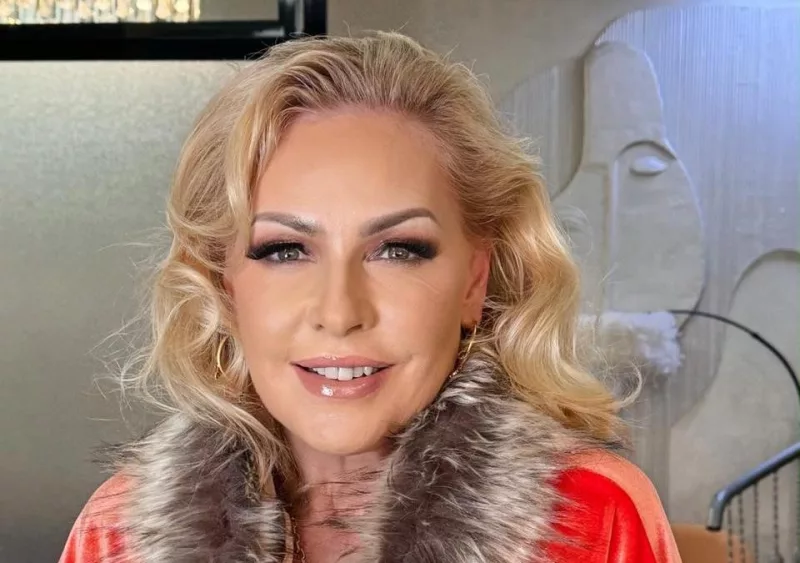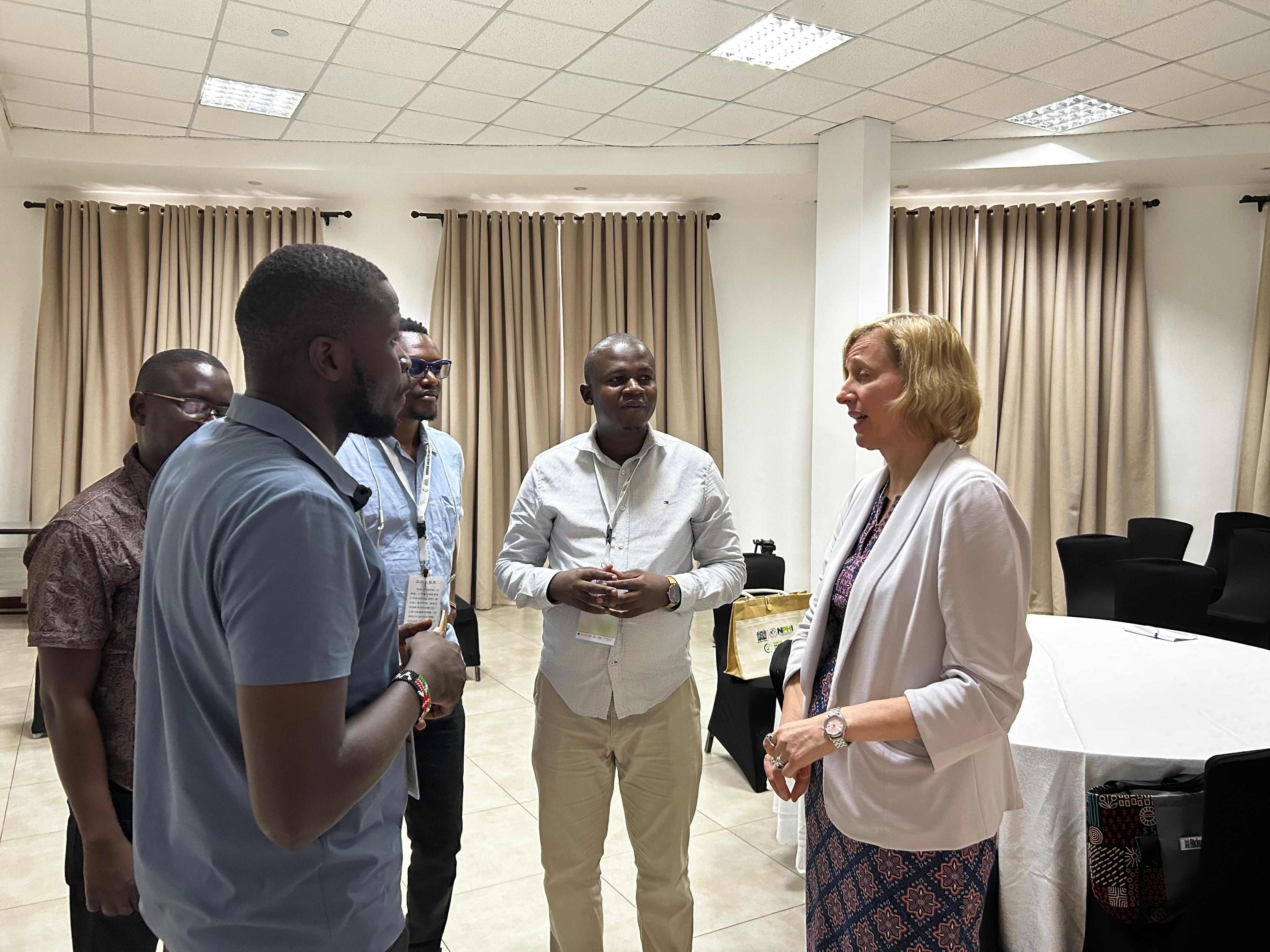
Acting US ambassador and charge d’affaires Susan Burns chats with Mombasa journalists on Tuesday during the inaugural Kenya Health Security Convention in Mombasa / BRIAN OTIENO
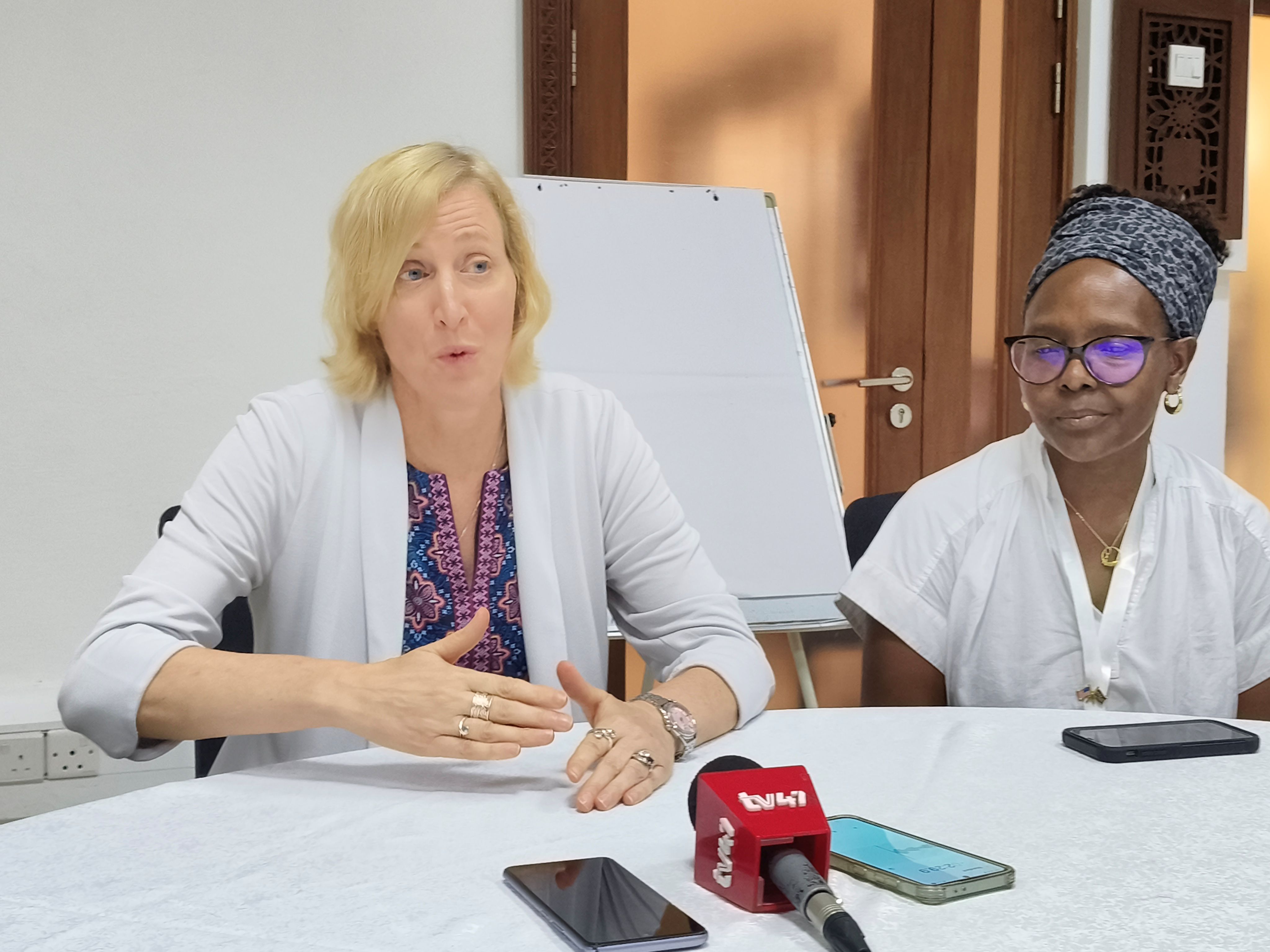
Acting US ambassador and charge d’affaires Susan Burns and Dr Naomi Lucchi in Mombasa on Tuesday / BRIAN OTIENO
The US government has dismissed claims it has cut funding for health programmes in Kenya, insisting that its support remains substantial and ongoing.
Acting US Ambassador Susan Burns said Washington continues to provide about Sh33.9 billion in annual health assistance to Kenya, stressing that the country remains one of its strongest global partners in health security cooperation.
Speaking during the inaugural Kenya Health Security Convention, which ended on Friday, Burns said the long-standing partnership between the two countries has helped strengthen Kenya’s surveillance and laboratory systems, enabling faster detection and response to disease outbreaks.
“The Kenya programme in that global health security space is one of the strongest that we have worldwide,” she said.
Her remarks come amid speculation about a possible withdrawal of US health funding.
Burns, however, clarified that no such cuts had been made, although she acknowledged a broader strategy to gradually reduce external support as Kenya increases its own health financing.
She said this approach is reflected in the $1.6 billion (Sh208 billion) US-Kenya health agreement signed on December 4, which she described as a framework for cooperation rather than a binding funding commitment.
“I do want to stress that while we are doing that, we have ongoing health assistance that has continued throughout,” she said.
“Our health assistance that’s ongoing is about $290 million (Sh33.9 billion) a year. It is the assistance we have always provided, and we are keeping that going while we negotiate implementation of the health deal.”
Burns said the US works directly with 13 counties through grant funding channelled via the US Centres for Disease Control and Prevention (CDC).
These include Nairobi, Kiambu, Kirinyaga, Murang’a, Nyeri, Kisumu, Homa Bay, Siaya, Migori, Makueni, Kitui, Machakos and Kisii.
She noted that US-supported programmes have contributed significantly to Kenya’s health gains, including a 50 per cent reduction in malaria burden over the past decade, particularly between 2010 and 2020.
The country has also recorded declines in outpatient cases linked to malaria, tuberculosis and HIV.
According to Burns, 1.3 million Kenyans living with HIV currently access lifesaving treatment through joint programmes, while 150,000 children have been born HIV-free as a result of sustained interventions.
She emphasised that the US has not withdrawn from Kenya’s health sector, but is instead supporting a transition towards a more integrated and self-sustaining system.
“Essentially, what we are trying to do is build a system. When we first started here in HIV, it was an emergency, so we created a health system to get medicine to people quickly,” she said.
“Over time, the needs have changed and we created parallel structures that now need to be integrated into Kenya’s health system.”
Burns said integration is critical to avoid duplication of programmes and ensure that services such as HIV care are fully embedded in routine health delivery.
She added that the strength of Kenya’s health systems had already been demonstrated during recent disease alerts, including mpox and Marburg, where response times improved significantly.
“During recent mpox and Marburg alerts, detection was faster, coordination was stronger and response was immediate,” she said.
This progress, she said, is supported by laboratory networks, trained field epidemiologists, surveillance systems and cross-border coordination mechanisms that allow early detection and containment of outbreaks.
Kenya now has 26 emergency operations centres across 25 counties, a development she attributed to joint investment between the two countries.
The US has also supported the establishment of the Kenya National Public Health Institute and training programmes for field epidemiologists.
The US Centres for Disease Control and Prevention was among the co-sponsors of the inaugural Kenya Health Security Convention, organised by the Kenya National Public Health Institute.
The convention brought together policymakers, scientists, public health experts, security professionals and industry stakeholders to discuss ways of strengthening health systems and improving pandemic preparedness and response.
Burns said the partnership remains focused on building a resilient health system capable of responding effectively to emerging threats while supporting Kenya’s long-term goal of greater health independence.