Calls grow to declare femicide a
national crisis amid rising killings
A wave of brutal killings targeting women and children has reignited national outrage, with renewed calls for femicide to be declared a national disaster.
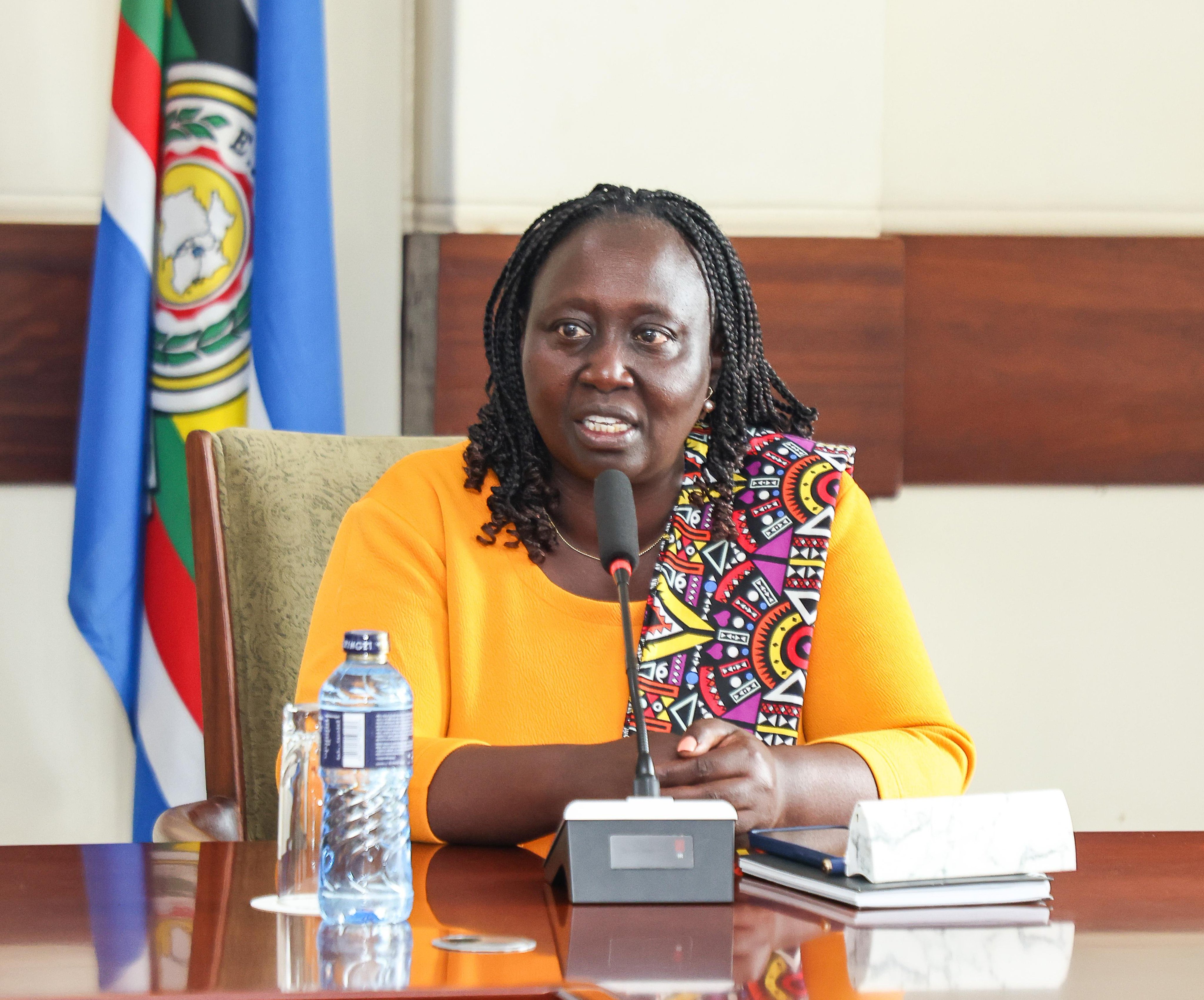
The latest incidents, reported between May 4 and 7, have intensified scrutiny on Gender CS Hanna Cheptumo, exactly one year into her tenure, as pressure mounts for a stronger state response to gender-based violence.
The most recent case involves three-year-old Shirley Gatumi, whose body was discovered on Tuesday in Tharaka Nithi county after she had been missing for less than 24 hours.
Police reports indicate the child was strangled, and her body mutilated, with her limbs severed.
On the same day, reports emerged of the killing of seven-year-old Benedicta Kazy Muti, who is said to have been defiled before being murdered.
In another disturbing case, a 52-year-old woman was allegedly raped and killed by her own son.
The spate of killings has triggered widespread condemnation and renewed demands from human rights groups for the government to treat femicide as a national emergency.
Speaking in Nairobi, Vocal Africa executive director Hussein Khalid criticised the state’s response, saying it falls short of what the crisis demands.
“We are tired of seeing the blood of our daughters and mothers on the front pages of our newspapers while the state remains in a state of shameful inaction,” he said.
Khalid argued that the violence is no longer a series of isolated incidents but reflects a deeper systemic failure to protect vulnerable groups.
He urged President William Ruto to declare femicide a national disaster, saying this would unlock emergency measures to address the crisis.
“We are witnessing a genocide against women,” Khalid added.
CS Cheptumo’s office has come under increasing pressure over its handling of gender-based violence.
During International Women’s Day celebrations in Nakuru, she pledged tougher action against femicide and GBV, saying the government was committed to zero tolerance.
“These acts are barbaric. They violate not only the law but also the conscience of our society,” she said.
“We shall adopt zero tolerance for femicide and all forms of gender-based violence.”
She said the government had received a report from the Presidential Technical Working Group on GBV and was reviewing its recommendations.
However, two months later, activists say little tangible progress has been made, with concerns growing over limited transparency in official data and delayed implementation of proposed reforms.
The crisis persists despite earlier recommendations from the Baraza-led task force, which described femicide as a national emergency and proposed sweeping reforms to policing and judicial handling of gender-related crimes.
Among the recommendations under consideration is a proposal for Sh50 billion to be allocated in the 2026–27 budget to support safe houses, medical care and survivor support systems.
However, activists argue that the urgency of the situation makes long-term budgeting insufficient, as killings continue weekly.
Independent monitoring groups estimate that an average of eight femicide cases are reported every week across the country.
Data further suggests that about 40 per cent of the killings are committed by intimate partners, while more than two-thirds occur within domestic settings.
The Law Society of Kenya has also joined calls for reform, urging the creation of specialised prosecution units to handle gender-based violence cases more effectively and ensure faster justice for survivors and victims’ families.
As public anger grows, pressure is mounting on the government to move beyond policy statements and adopt emergency interventions capable of responding to what many now describe as a deepening national crisis.



Comments 0
Sign in to join the conversation
Sign In Create AccountNo comments yet. Be the first to share your thoughts!