Elbow discomfort is a common ailment that can significantly hinder daily productivity, ranging from a dull, persistent ache to sharp, debilitating pain.
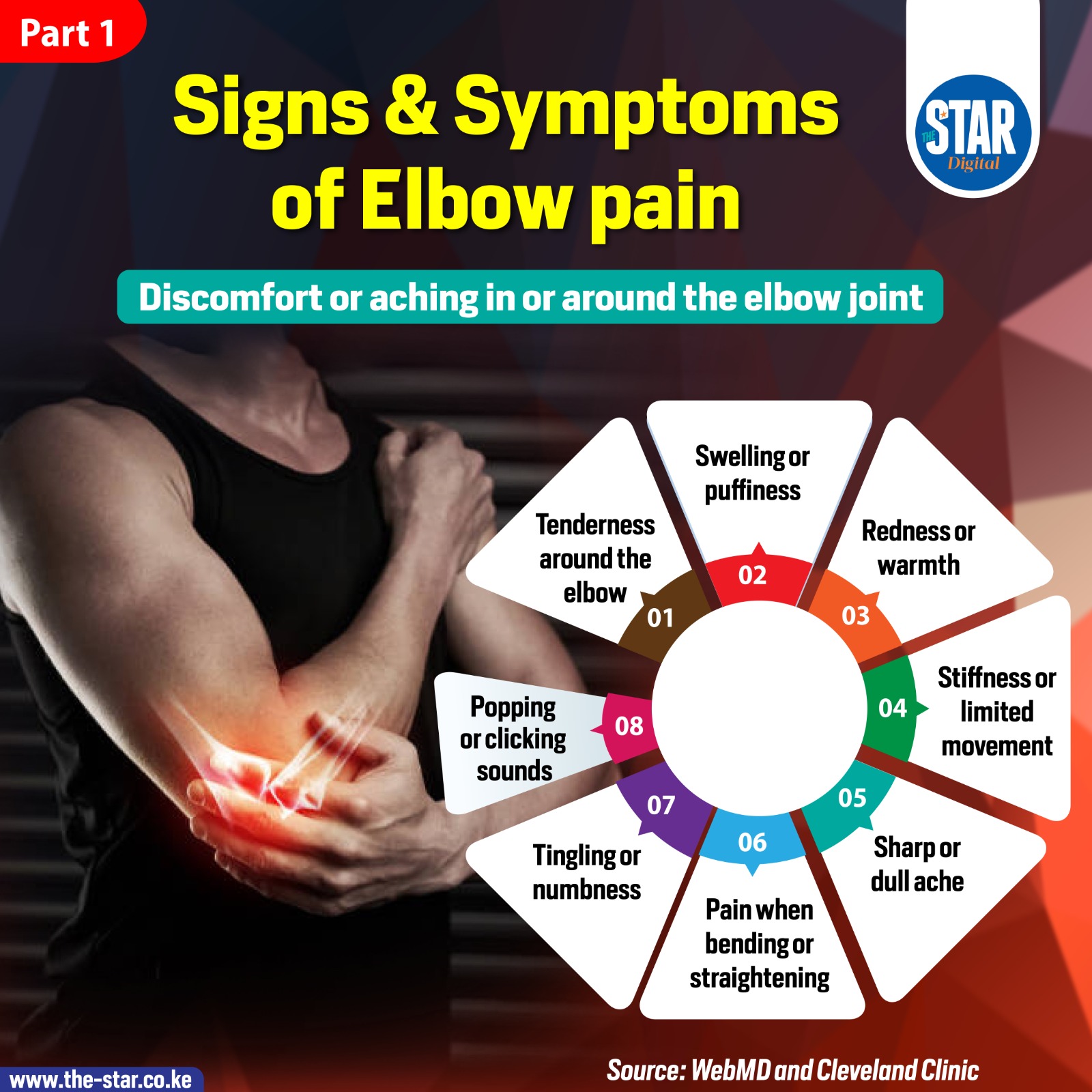
Identifying the early warning signs is the first step toward effective recovery. Beyond general discomfort around the joint, typical symptoms often include localised tenderness and visible swelling or puffiness.
In some cases, the skin may exhibit redness or feel warm to the touch, indicating inflammation. Movement is frequently affected, with patients reporting stiffness or a limited range of motion, particularly when attempting to bend or straighten the arm.
More acute neurological or mechanical signs, such as tingling, numbness, or audible popping and clicking sounds during activity, also serve as critical indicators that the joint is under distress.
Addressing elbow pain requires a multifaceted approach that shifts from immediate relief to long-term rehabilitation.
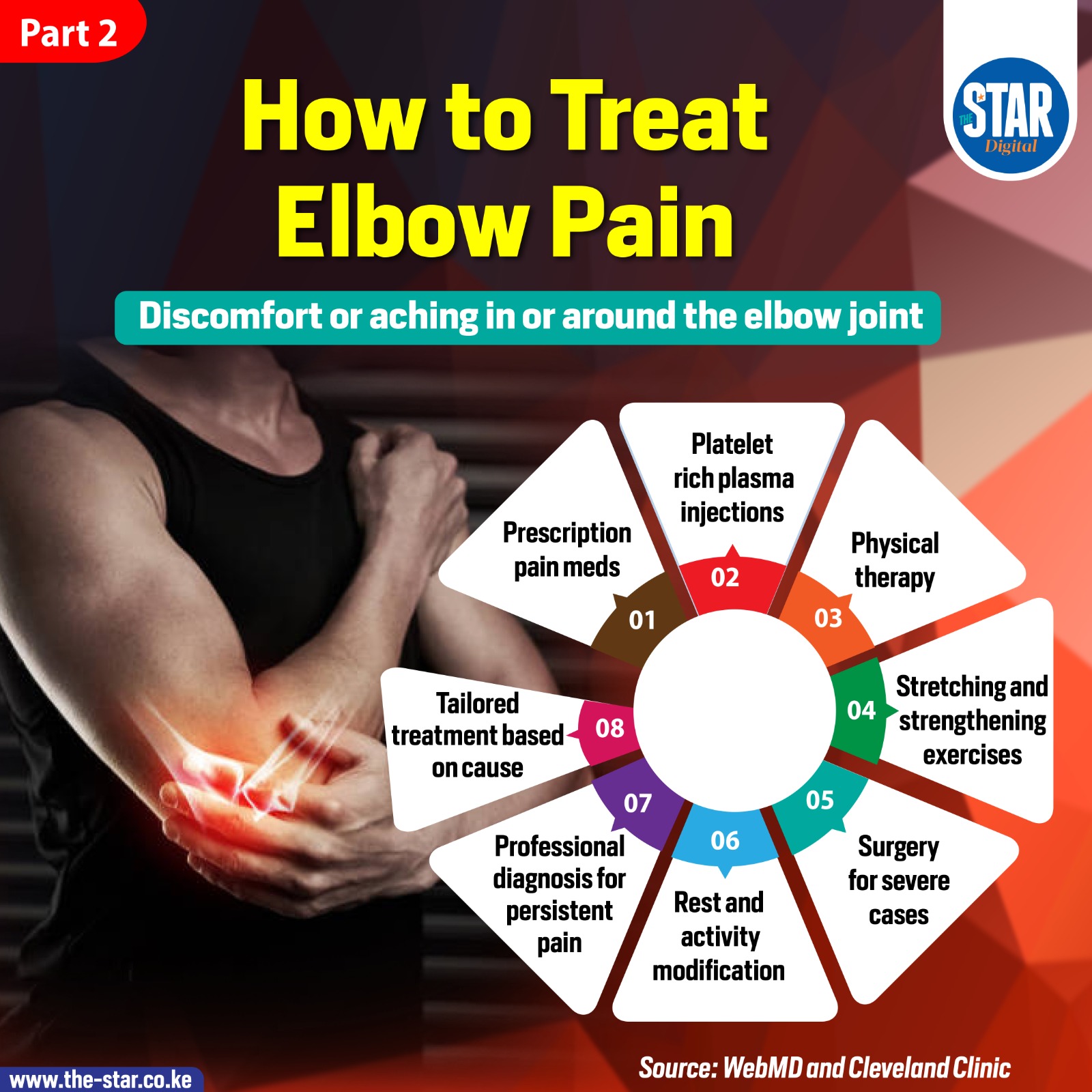
Clinical data suggest that treatment must be tailored strictly to the underlying cause. For persistent issues, obtaining a professional diagnosis is paramount to ensuring the correct intervention.
Initial management often involves rest and activity modification to prevent further irritation. For more advanced cases, medical professionals may recommend prescription pain medications or specialised procedures like platelet-rich plasma injections to stimulate healing.
Physical therapy remains a cornerstone of recovery, utilizing targeted stretching and strengthening exercises to restore joint stability and flexibility. While many cases resolve with non-invasive care, surgery remains an option for severe or chronic conditions that do not respond to conservative methods.