 Units being constructed in various parts of Nyanza under the affordable housing programme /HANDOUT
For most of her adult life, Rosemary Akinyi raised her three children in a single room in one of Kisumu’s informal settlements.
The walls were thin, the roof leaked when the rains came, and there was never quite enough space for homework, for meals, for the ordinary business of family life.
She was at peace with the situation – never mind that it was dire – by ordinary standards. She got used to things that should not be normal. Then, late last year, everything turned for the better for her and the children.
They were allocated a one-bedroomed house constructed under the government’s affordable housing programme (AHP) at an estate in the lakeside city.
They will move in later this year after the housing project is complete.
Akinyi is one of thousands of Kenyans whose lives are being reshaped by the AHP — a flagship pillar of the Bottom-Up Economic Transformation Agenda, BETA, that is quietly rewriting what home means for families across the Nyanza region and beyond. Hers is not an exceptional story. It is, increasingly, becoming a common story.
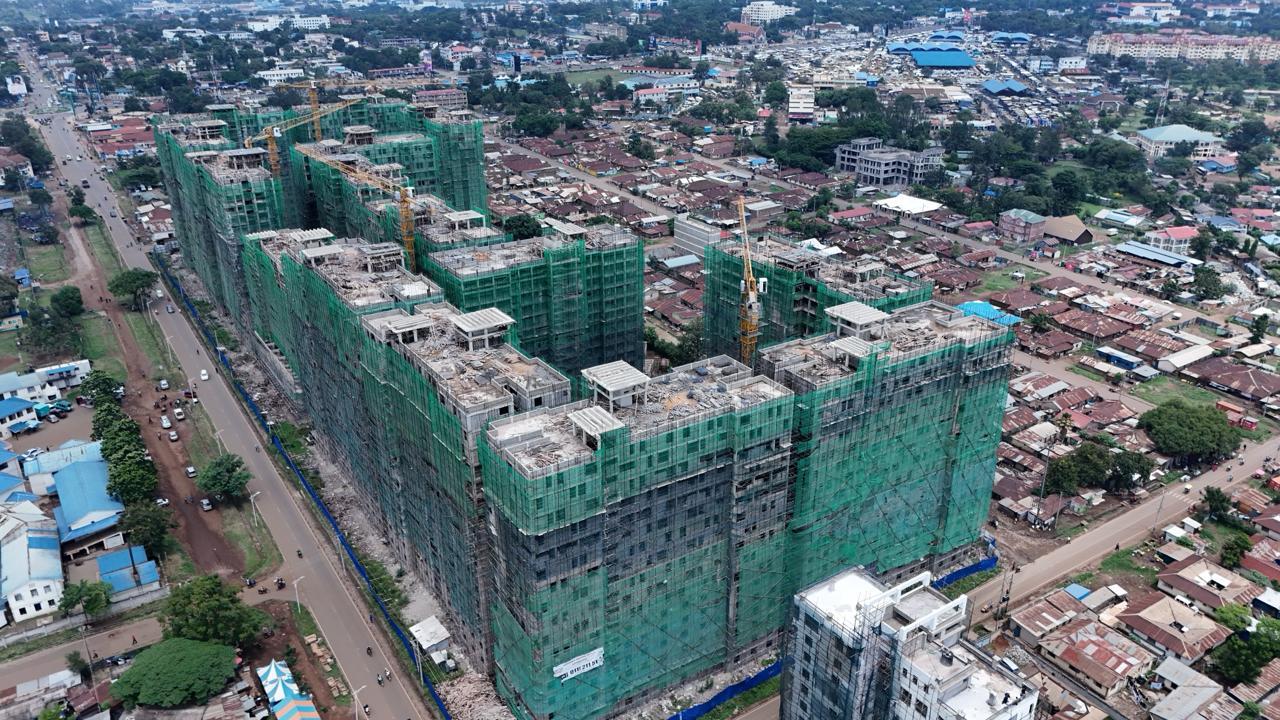
Across six counties in the larger Nyanza region—Kisumu, Migori, Siaya, Kisii, Nyamira, and Homa Bay—cranes now punctuate skylines that were once defined by corrugated iron sheets and a significant level of uncertainty.
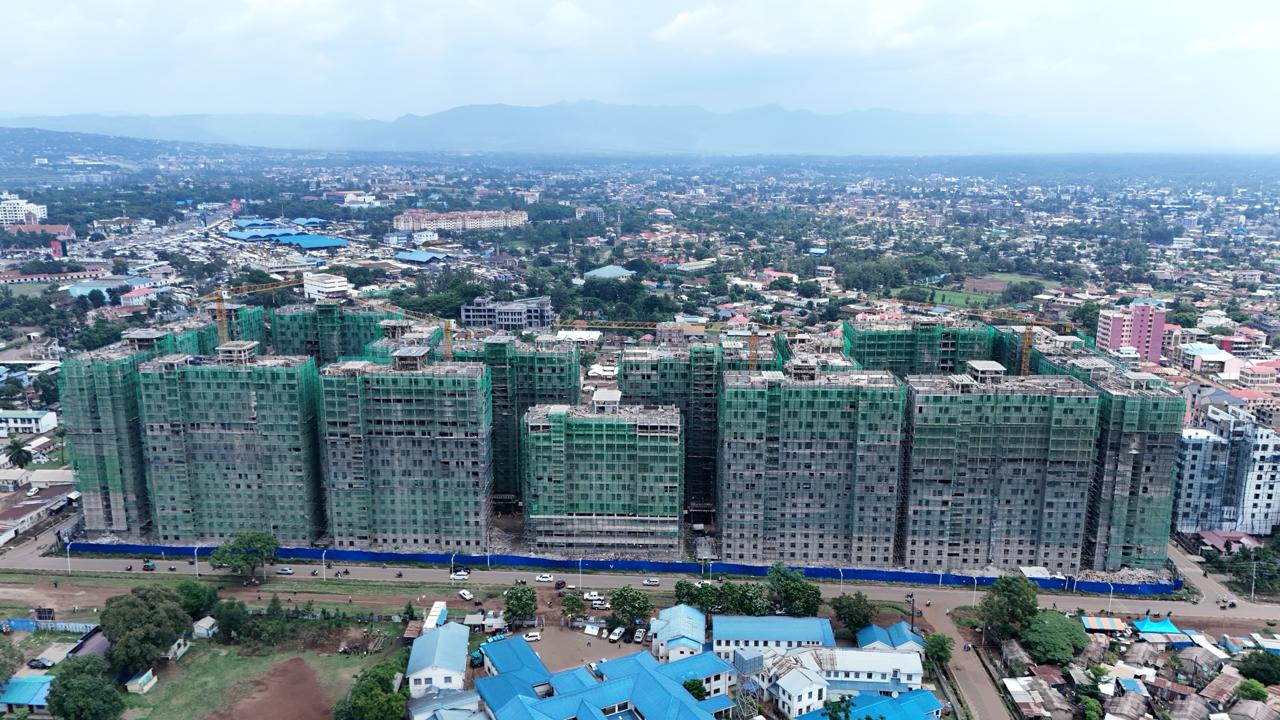 Units being constructed in various parts of Nyanza under the affordable housing programme /HANDOUT
Construction sites that once sat idle have become engines of activity, drawing in hundreds of masons, electricians, engineers and suppliers, many of them young people who had struggled to find steady work.
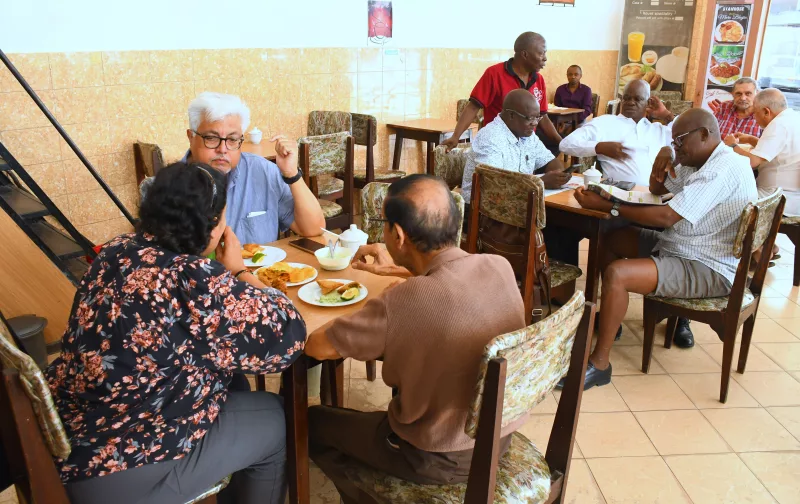
The construction workers swarm into eateries at around 1 pm to recharge, and later supermarkets, shopping centres and even entertainment joints to enjoy the fruits of their day’s labour. They are the reason why Mama Mboga businesses are beehives of activity across the region.
In so doing, they spur business in the area's eateries. The scale of what is being built is striking. But it is the lives being built alongside the walls and rooftops that tell the full story.
In Kisumu county, the numbers alone speak to the ambition of the undertaking. More than 9,100 housing units are currently under construction, with more than 5,400 further units already planned.
Projects at Lumumba estate, Upper Kanyakwar and Migosi are not merely construction sites—they are nascent communities, designed around the idea that dignified living should not be a privilege. When complete, they will house thousands of families for whom a secure, affordable home has long felt out of reach.
The story is similar, if differently textured, in each of the surrounding counties. In Migori, more than 6,000 units are rising across 15 active projects, with sites in Rongo, Kehancha, Awendo and Suna East set to anchor new centres of urban growth.
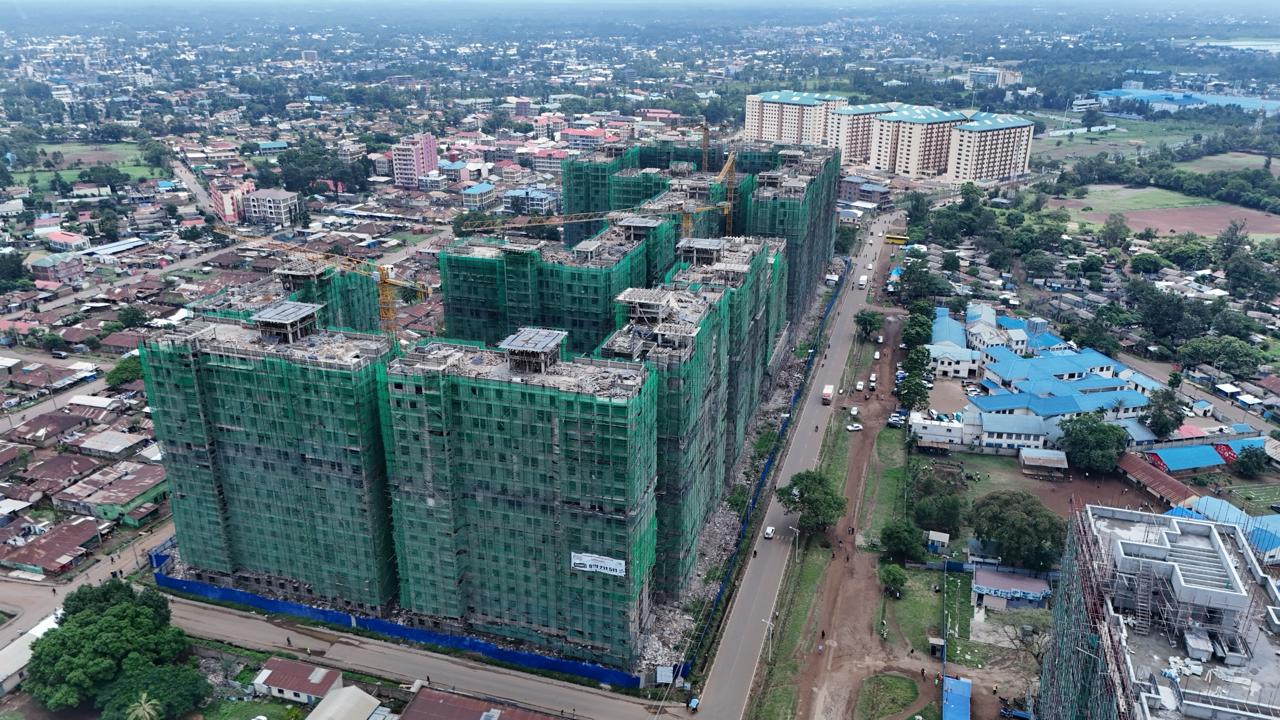 Units being constructed in various parts of Nyanza under the affordable housing programme /HANDOUT
In the neighbouring Siaya, nearly 4,000 units are underway and over 4,200 more are planned, reshaping erstwhile quiet towns like Bondo, Ukwala and Yala while weaving housing into the fabric of public service delivery through staff quarters for government workers.
Homa Bay, meanwhile, is building toward a future in which more than 7,600 units will serve its people—in the town itself, in Oyugis, Mbita and Rangwe.
In Kisii, one of the more striking developments in the entire programme is taking shape. Alongside 2,116 units already under construction, plans are in place for nearly 11,000 more—including the Kisii Prisons AHP, a single development targeting 10,000 units that will represent one of the largest affordable housing projects in the country.
The investment behind it runs to more than Sh 22 billion.
In Kisumu, the pipeline exceeds Sh12.9 billion. These are not small wagers. They are a statement of intent.
In Nyamira, smaller in scale but no less significant in meaning, over 1,500 units are underway and 1,740 more are planned, a signal that even the quieter corners of the region will not be overlooked.
What the figures do not fully capture is the texture of change on the ground. On a construction site in Migori, a young construction worker, Walter Otieno—who had spent two years searching for consistent work—now earns a steady wage laying foundation.
“I can comfortably pay all my bills, and over and above that, I am also learning a lot, and these skills will be with me all my life,” he said.
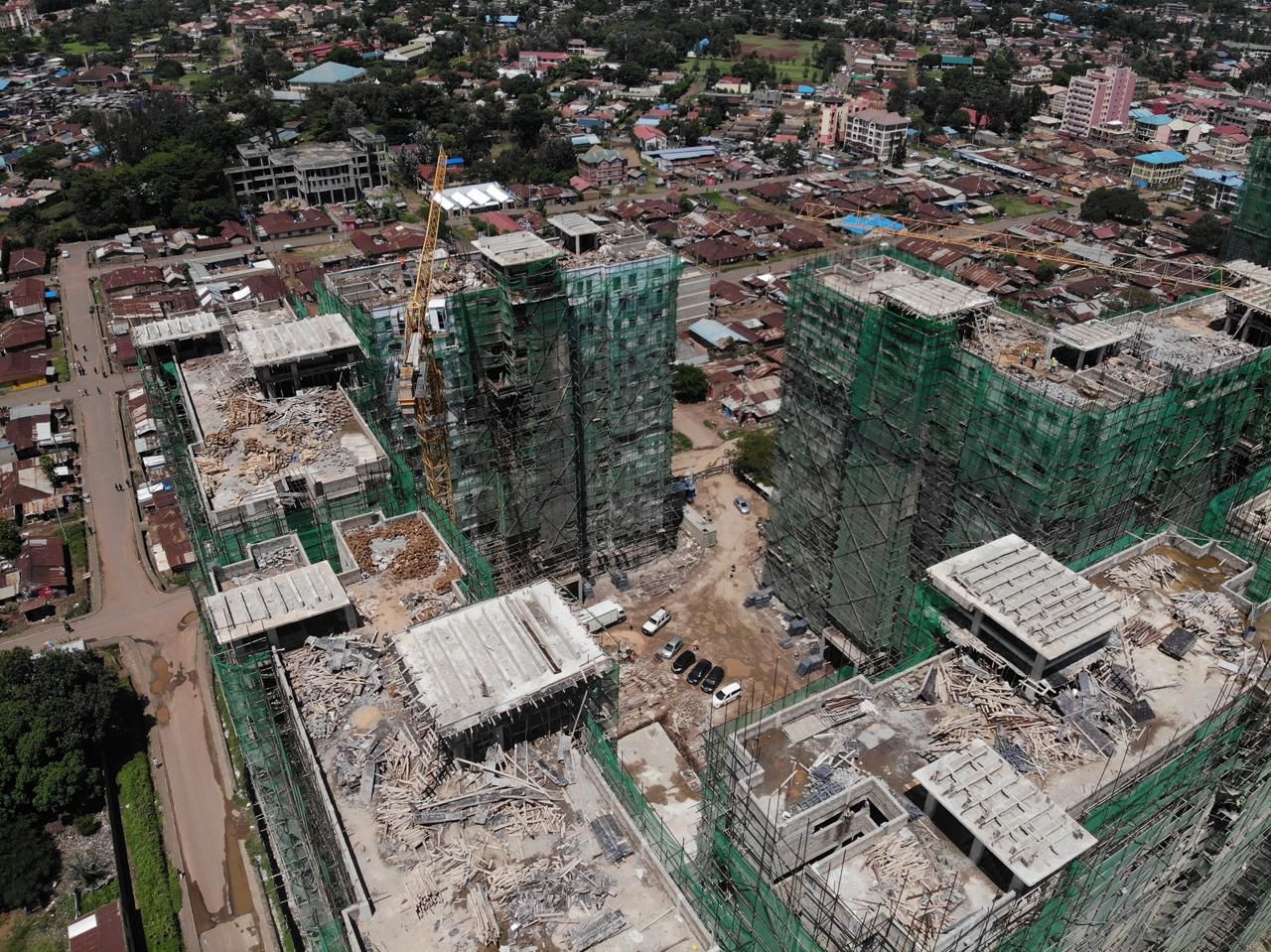 Units being constructed in various parts of Nyanza under the affordable housing programme /HANDOUT
In Kisii, a woman who runs a hardware stall has seen her monthly turnover grow as demand from nearby sites sustains her stock.
These are the indirect dividends of the programme, multiplying quietly through communities that had grown accustomed to being bypassed.
The programme has also been designed with an eye toward the ecosystem around housing, not just the housing itself.
In Kisii, more than 4,900 market stalls are under development alongside the residential units.
In Migori and Siaya, modern markets and training institutions are being expanded in tandem with housing projects.
The intention is to create places where people do not merely sleep, but live—where commerce, education and community coexist within walking distance of home.
For teachers, police officers, nurses and civil servants across the region, the programme is also dissolving a familiar frustration: the long travel, the expensive rental far from a workplace, the quiet indignity of a professional life lived in inadequate housing.
Staff housing components embedded within several projects are beginning to address this, connecting the programme to the broader project of retaining skilled people in the counties that need them most.
Back in Kisumu, Akinyi does not speak in the language of policy or economics. She speaks about her daughter doing homework at a proper table, about not waking up to a wet floor when it rains, about the feeling—still surprising, even now—of closing a front door that belongs to her.
These are the things the programme is ultimately building toward: not just units and pipelines and billions of shillings, but moments of ordinary dignity that have been too long in coming.
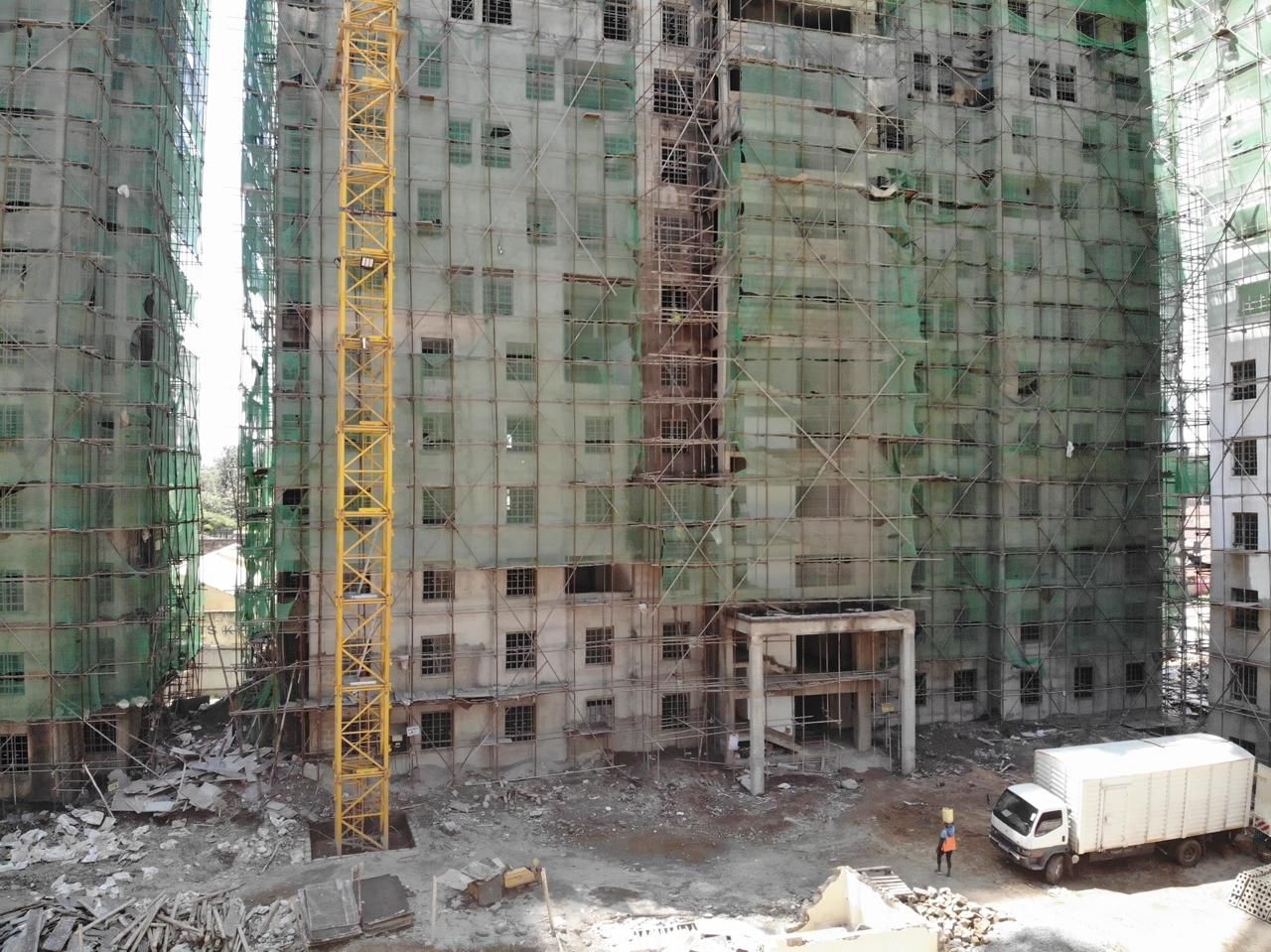 Units being constructed in various parts of Nyanza under the affordable housing programme /HANDOUT
As construction continues and new projects break ground across the region, the AHP is proving to be something rarer than a government initiative.
It is becoming a living argument that inclusion, equity, and access are not aspirations to be deferred but obligations to be fulfilled. Across Nyanza and beyond, the foundations are being laid—not just for buildings, but for a Kenya in which every family has somewhere to call home.
AHP is a central pillar of the government’s economic and social policy, aimed at addressing a long-standing housing shortage while stimulating economic growth.
A major policy milestone came on March 19, 2024, when President William Ruto signed the Affordable Housing Act into law, creating a legal framework to guide implementation and financing of the programme.
Progress across counties reflects both scale and impact. In Kisumu, flagship projects such as the Lumumba affordable housing project are currently at 56 per cent completion, with a large-scale rollout of over 9,000 ongoing housing units, positioning the county as a regional leader in implementation.
In Migori, the Mabera affordable housing project is nearing completion at an impressive 98 per cent, while in Homa Bay, projects have already been fully completed, demonstrating the programme’s ability to deliver tangible results.
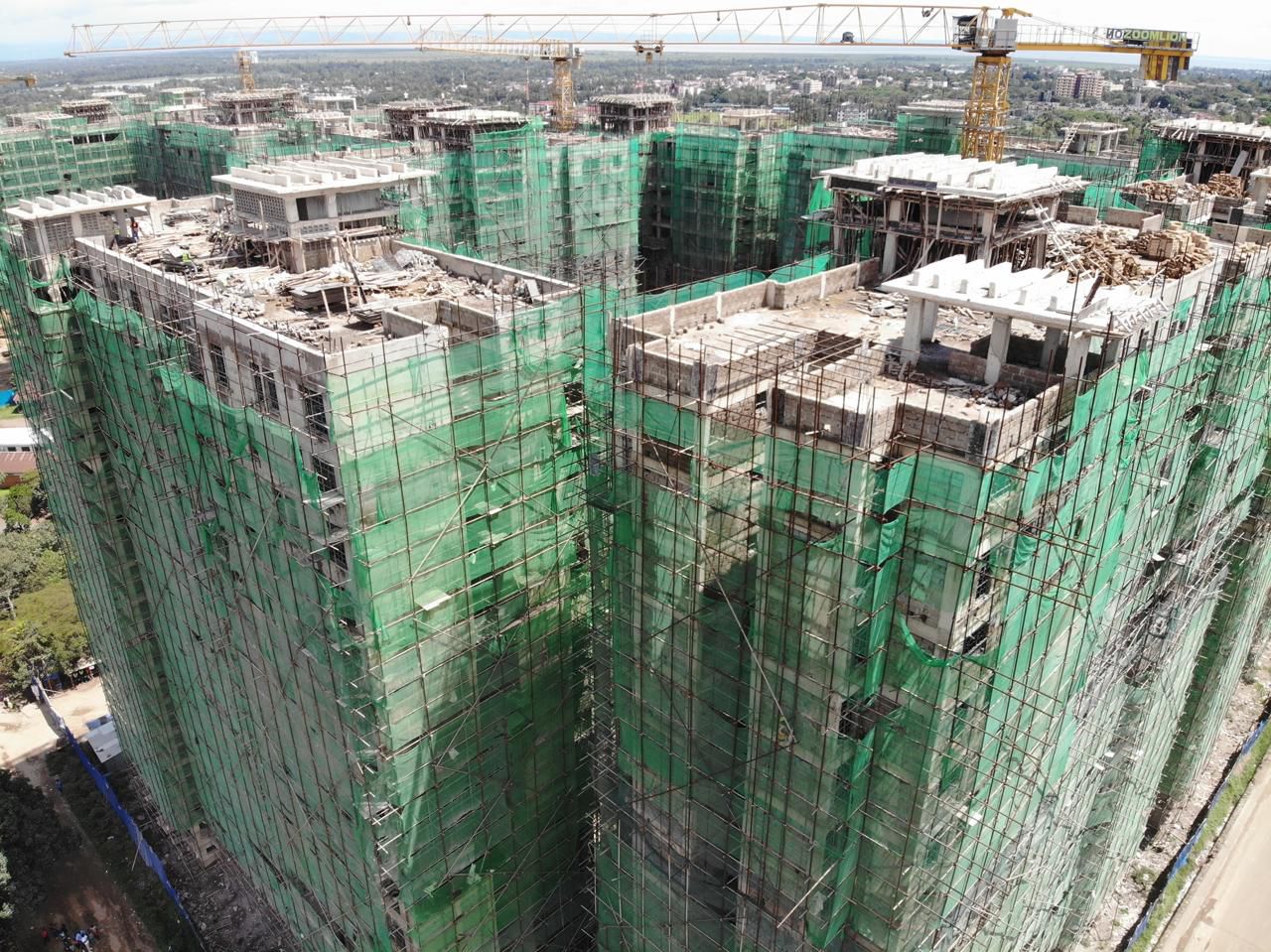 Units being constructed in various parts of Nyanza under the affordable housing programme /HANDOUT
In Siaya, construction is actively underway with 3,832 housing units, though progress varies between 10 and 37 per cent across sites.
Similarly, Kisii has 2,116 units under development, with most projects ranging between 10 and 40 per cent completion.
Nyamira, however, is still in early stages, with projects recording between two and four per cent progress, highlighting areas requiring accelerated implementation efforts.
Nationally, the programme is designed to tackle a housing deficit estimated at over two million units, with demand growing by approximately 200,000 units annually, particularly in urban centres.
To address this gap, the government targets the construction of 200,000 to 250,000 housing units each year, with a long-term goal of delivering up to one million homes over five years.
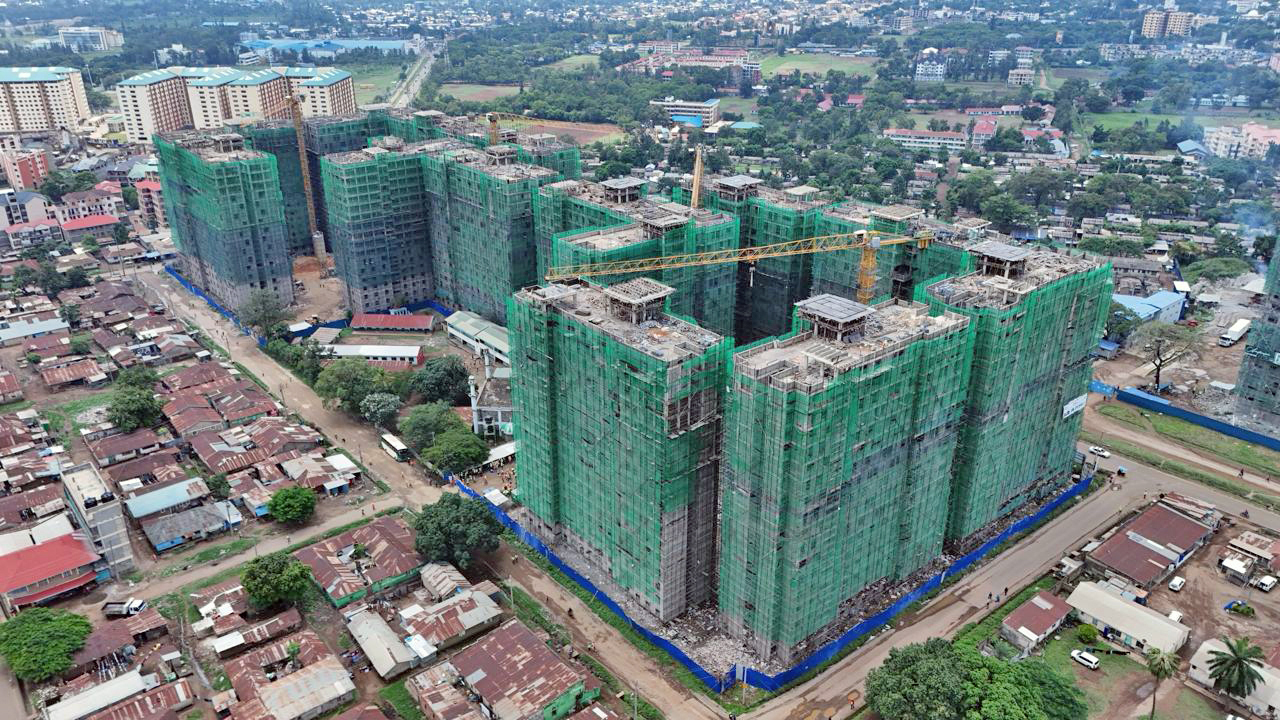 Units being constructed in various parts of Nyanza under the affordable housing programme /HANDOUT