Women seeking safe abortion in Kenya continue to face information gaps, unsafe providers, limited access to trained professionals, and persistent stigma.
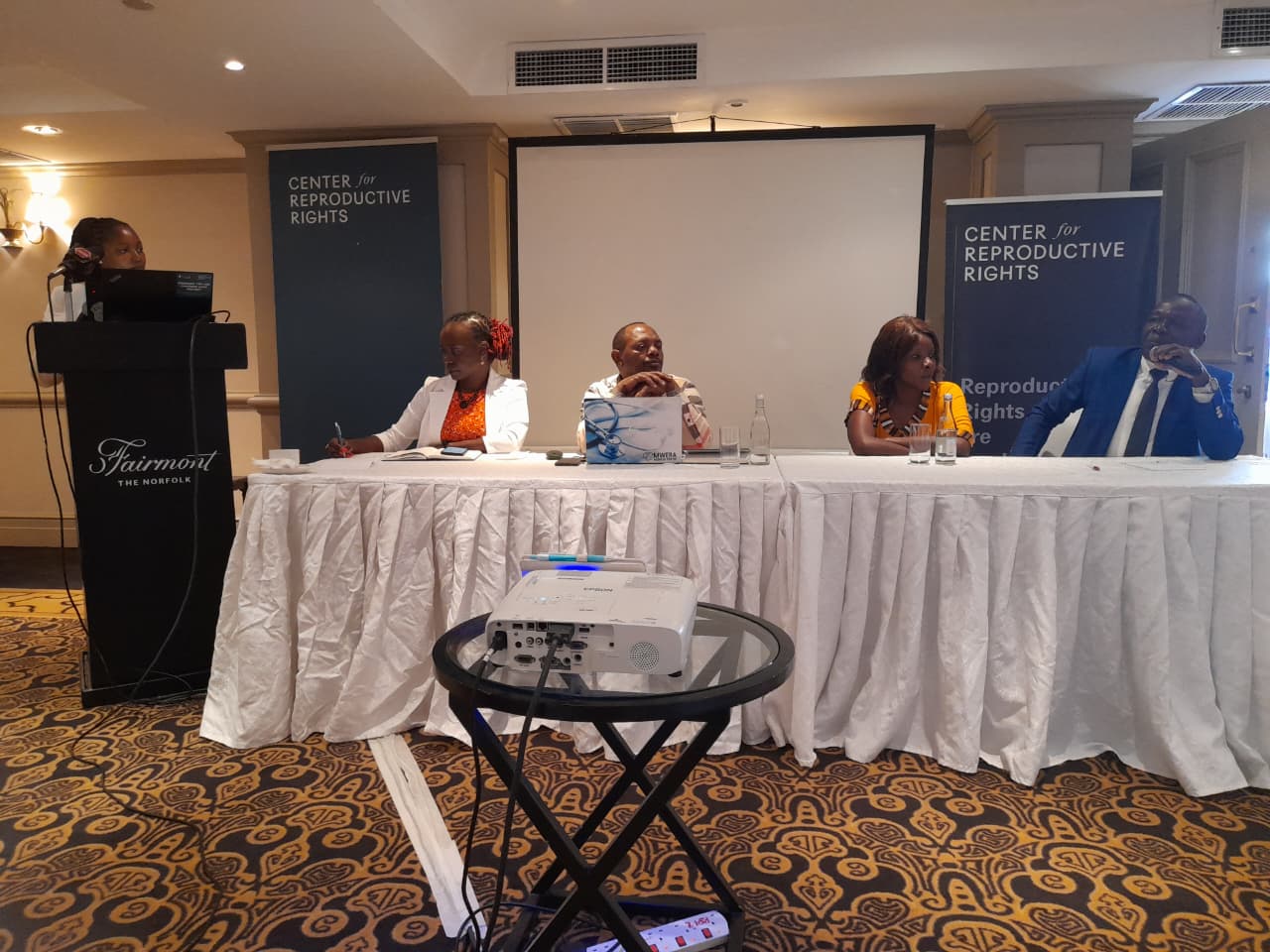
This emerged during a media roundtable convened by the Center for Reproductive Rights and Journalists for Human Rights (JHR) Kenya during the 16 Days of Activism against Gender-Based Violence.
A survivor, identified as Asia, shared how these barriers shaped her own experience while pursuing a Taekwondo career that depended on remaining eligible for competitions.
“If I got pregnant, I would have an abortion so that I could play and earn money,” she recalled.
Asia said her relationship later ended and left her without support.
A friend referred her to an unlicensed provider who used unsafe abortion methods. A week later, complications forced her into emergency care, resulting in the removal of her uterus.
She said she then faced stigma, violence, and rape before being referred to a hospital for counselling and support.
“If I had known there was a good hospital where I could get services, I would not be where I am now,” Asia said.
She called on the state to inform the public about safe abortion and ensure access to qualified providers.
Healthcare professionals at the forum described the range of conditions they encounter when women seek abortion-related care.
Samson Mwita of Mwera Health Centre said widespread myths influence women’s decisions, keeping many away from trained providers.
“Some arrive after already beginning the abortion process, either by taking medication on their own or after seeking assistance from untrained providers. Others come in critical condition, forcing the facility to refer them to other hospitals,” Mwita said.
He added that some women arrive while still pregnant and seeking safe abortion services, which, in some cases, the clinic can assist.
Mwita revealed that most clients are between 14 and 25 years old, followed by women aged 25 to 35, with a smaller number between 35 and 50.
"The facility sees four to ten women each day, with 40 to 60 seeking services each month, including referrals," he said.
Legal experts at the forum emphasised that abortion and reproductive health services are protected under the Kenyan Constitution.
Article 43 grants every person the right to health, including reproductive health care, while Article 26 permits abortion when a trained professional determines it is necessary to protect the life or health of the woman.
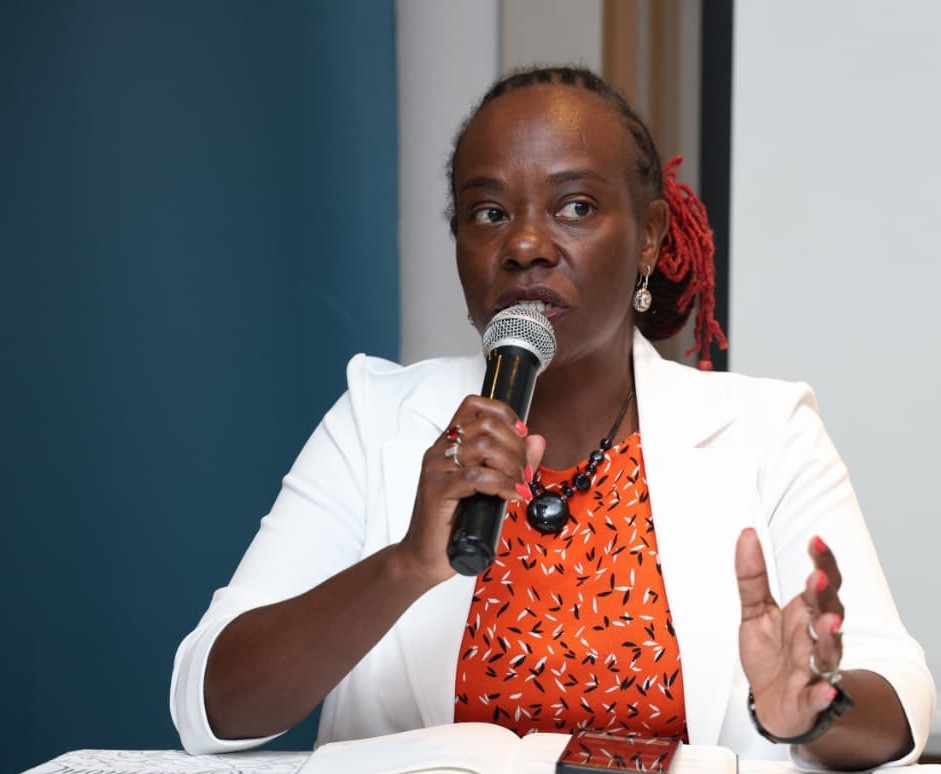
Elsy Sainna, Associate Director, Advoacacy and External Relations, Africa at the Center for Reproductive Rights, said the state has a responsibility to protect survivors.
“We are here today to contribute to the global celebration marking the culmination of the 16 Days of Activism. We want to use art as an expression of our work, to tell our story through creative voices,” Sainna said.
She highlighted regional developments that have strengthened reproductive rights.
“In Malawi, the High Court recently confirmed that survivors of sexual violence can access safe and legal abortion. In Nigeria, courts have given reprieve to women and girls. In Rwanda, young girls as young as 15 can access contraception. These are all issues of sexual and reproductive rights, and they show that change is possible,” Sainna said.
However, she noted that Kenya continues to lag in implementing existing protections.
“Out of ten, I would say we are below par. The law provides safeguards for women, but actual implementation of policies and laws remains a challenge. It often feels like two steps forward and two steps back,” she said, identifying lack of information, limited access to services, and weak enforcement of the right to health as core structural problems.
“And the right to health includes not just physical well-being but emotional well-being too,” Sainna added.
She urged girls and women to seek information and support before making any decisions.
JHR-Kenya Gender Media Trainer Mercy Njoroge said the organisation has created a symbiotic relationship between the media and civil society organisations to ensure sexual and reproductive health rights (SRHR) stories reach both young audiences and policymakers.
“A good example is the work we do with journalists to explore digital platforms such as Instagram and TikTok that appeal to young girls, to package information targeting them,” Njoroge said.
She added that JHR advocates for awareness of unconscious biases among journalists when covering SRHR topics such as comprehensive abortion care and FGM.
“Raising self-awareness of journalists helps ensure objectivity, fairness, and inclusivity while covering gender stories,” Njoroge said.