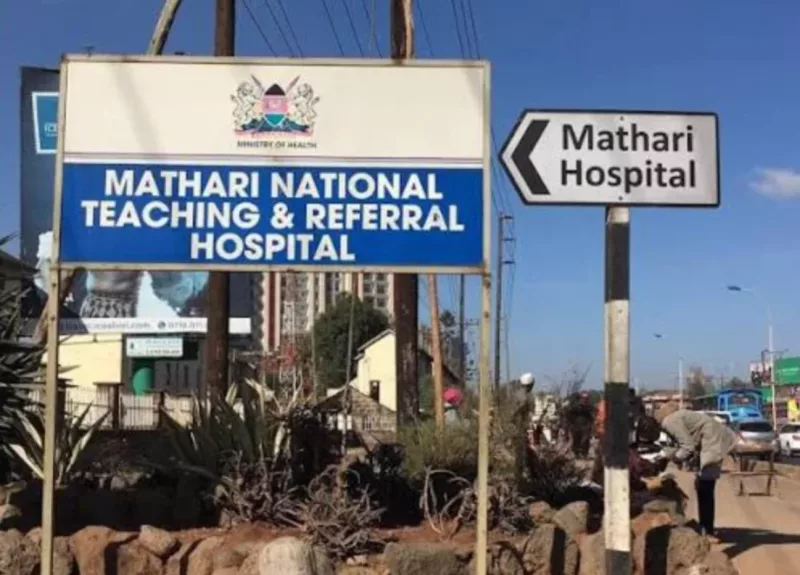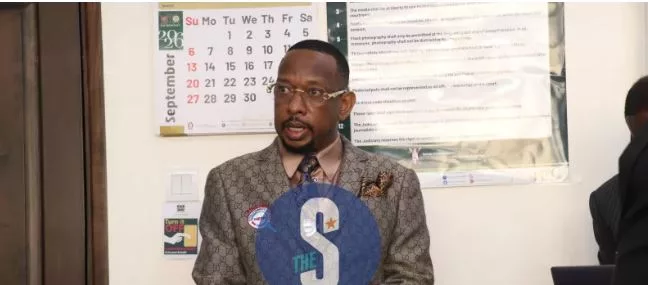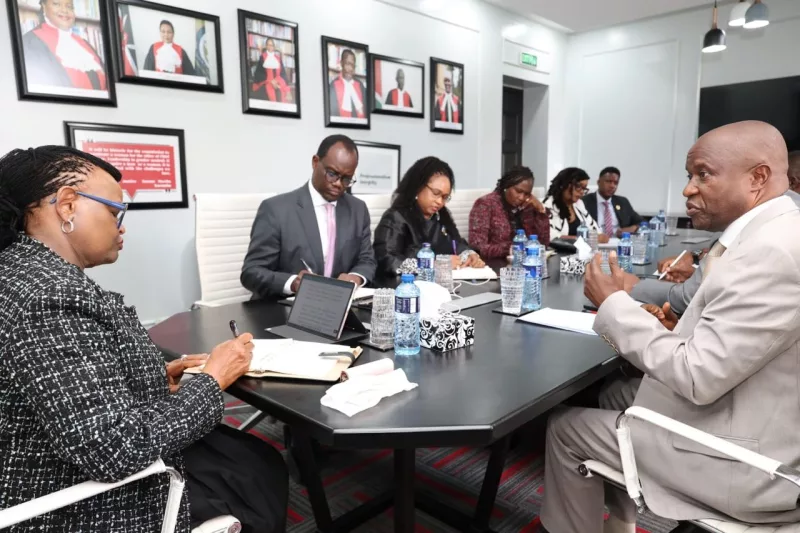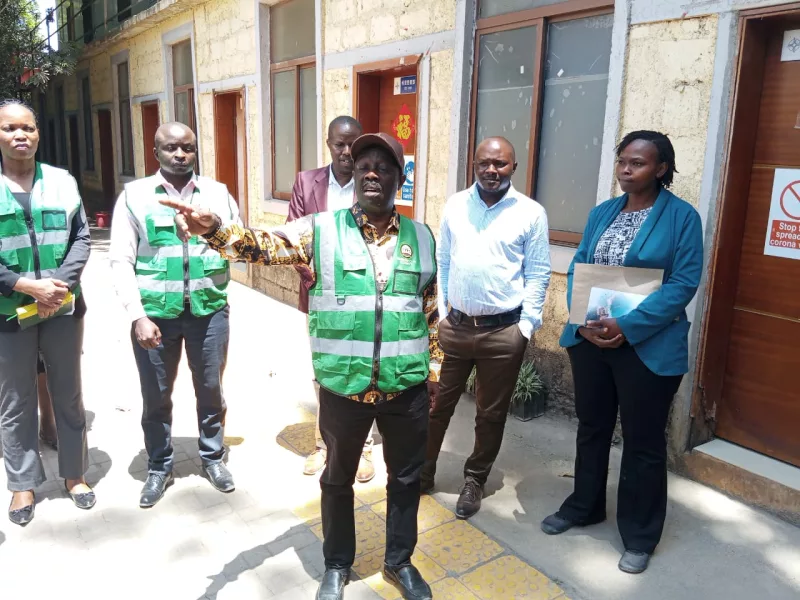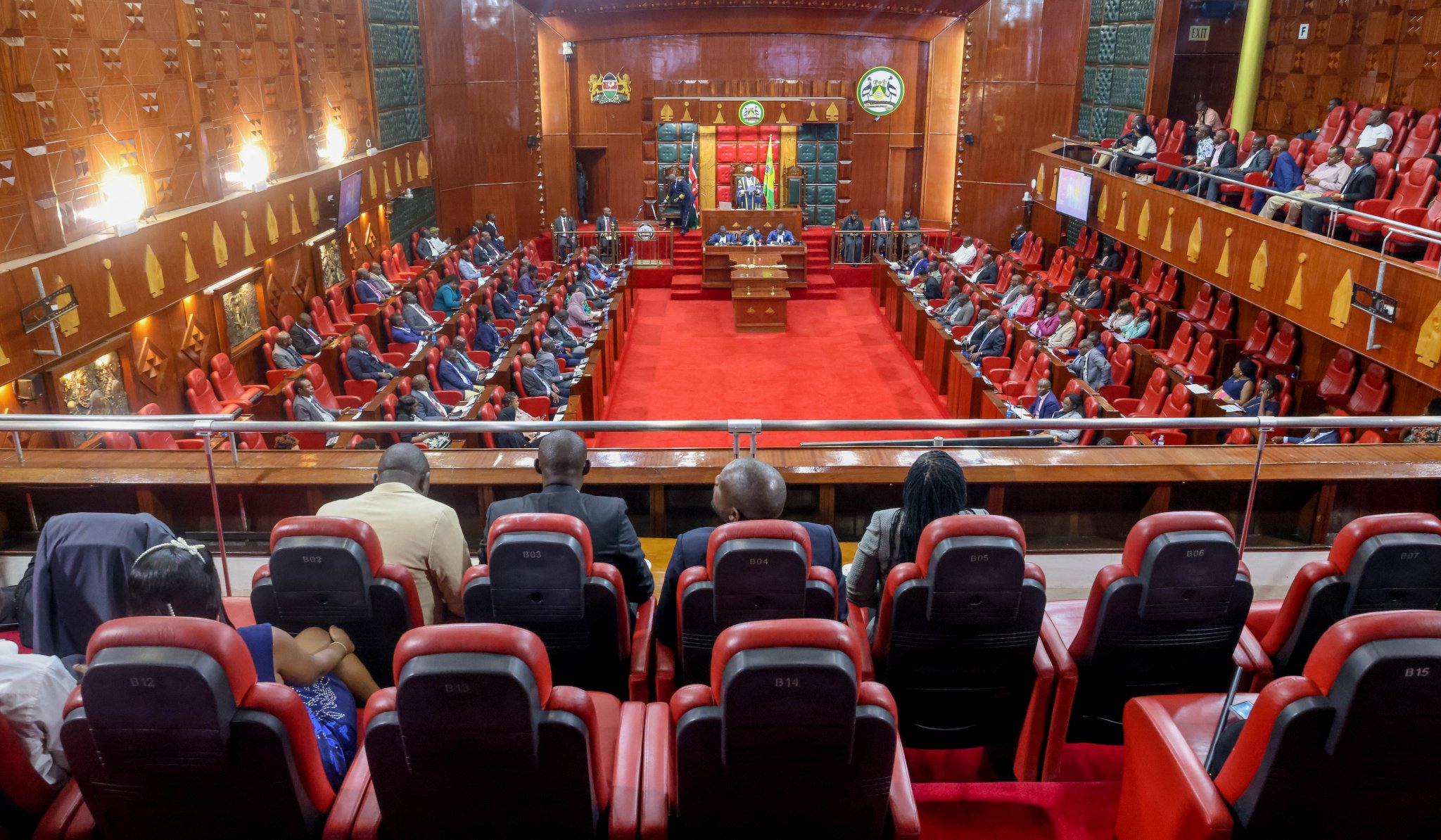
A Nairobi MCA has filed a motion to compel the Johnson Sakaja administration to subject any conflict to alternative dispute resolution rather than costly litigation, amid concerns that legal bills are becoming unsustainable in the county.
Nairobi County had Sh21.3 billion in outstanding legal fees in the 2023-24 financial year.
The motion by Karen MCA Anthony Maragu came as the auditor general’s report flagged the ever-rising legal costs accrued by City Hall on externally single-sourced advocates, despite the county having a fully staffed legal department.
The 2023-24 audit report shows Nairobi county was the biggest spender on legal costs among devolved units, with Sh21.3 billion in outstanding legal fees—an amount that accounts for 11 per cent of its pending bills.
According to Auditor General Nancy Gathungu, Sh6.2 billion of the amount is owed to just four advocates, representing 29 per cent of the total debt.
The report reveals that despite maintaining fully staffed legal departments, counties are routinely outsourcing cases to private law firms at exorbitant rates—often without competitive bidding, documentation or approval from executive committees.
In the capital, 65 of 159 cases were handled by eight advocates, with no clear justification for their selection. The capital’s expenditure reflects a wider trend across counties, where billions of shillings are lost through opaque legal outsourcing.
The motion pending at the assembly wants the administration to strictly mainstream alternative dispute resolution as the main resort, and only go to court upon failure of that method.
“Concerned that a significant portion of the county’s annual budget continues to be spent on settling court awards and legal costs resulting from litigation initiated by the county legal department, with many of these matters capable of resolution through alternative means,” it reads.
Besides the cost concerns, the motion says the ADR mechanism is expeditious, less acrimonious and often delivers win-win outcomes that better serve the public.
“Noting that prolonged legal battles not only deplete county resources but also result in judgments that could have been mitigated or avoided,” it says.
“The assembly therefore urges the county executive, through the office of the county attorney, to ensure that litigation is used strictly as a last resort in resolving disputes involving the county executive.”
It also calls for the respective executives to “establish structured negotiation frameworks, and institutionalise the use of tribunals, mediation, conciliation and arbitration in line with Article 159(2)(c) of the Constitution within 60 days [of adoption of the motion],” it reads.
To operationalise the mechanism for perpetuity and in the interest of Nairobians, the MCA wants the Sakaja administration to “develop a County Alternative Dispute Resolution (ADR) policy to guide the resolution of disputes involving the County and its agencies within 60 days.”
The motion argues that Article 159(2)(c) of the Constitution provides that in exercising judicial authority, courts and tribunals shall be guided by the principle that alternative forms of dispute resolution—including reconciliation, mediation, arbitration and traditional dispute resolution mechanisms—shall be promoted. Its use in the administration, the motion says, should therefore be mainstreamed in the public interest.
The overshot legal bills problem was also flagged in other counties across the country.
In Kilifi, six private lawyers pocketed Sh71.5 million out of Sh276.2 million in operating expenses.
However, auditors found no records of instructions, court attendance or taxation of fees as required by law in the county.
Mandera was flagged for spending Sh45.5 million without executive approval, while Marsabit paid Sh3.3 million in legal fees for a case where the claimant sought Sh1 million in damages. The county lost, raising the total cost to Sh4.3 million, with no evidence of how the fees was calculated.
In Machakos, Sh38.8 million went to four law firms with no case files presented for audit.
Kisumu spent Sh46 million but failed to provide court attendance records or fee breakdowns, while Nyandarua outsourced 50 cases to private lawyers despite employing five legal officers.
Uasin Gishu county, despite having a fully staffed legal department, spent Sh22.2 million on external legal services, raising questions about why in-house resources were bypassed.
Instant analysis
Nairobi’s legal costs expose a systemic failure in using in-house legal resources, with billions lost to unchecked outsourcing. The push for ADR reflects growing urgency to curb waste and promote efficiency in county governance.