In the coastal county of Mombasa, significant efforts aimed at changing how caregivers, especially those in informal settings, feed and care for children are taking place.
Across Kenya, children under the age of five face persistent threats to their health and development—not only from hunger and food insecurity, but also from malnutrition and stunting.
Poverty remains a major driver of poor health outcomes. However, in Mombasa, health experts have identified another, often overlooked issue—information poverty.
In many communities, caregivers simply lack access to timely, practical and relevant guidance on how to feed and care for young children, according to health experts.
While Kenya boasts a wealth of health policies and resources, much of this information is either too technical or inaccessible to the everyday caregiver.
In response, the Mombasa County Department of Health Services, in partnership with Kidogo Early Years, has embarked on an initiative to develop the Young Child Nutrition Reference Guidebook.
This booklet, tailored for health promoters, mothers and home-based childcare providers, is expected to fill a crucial gap in early childhood care.
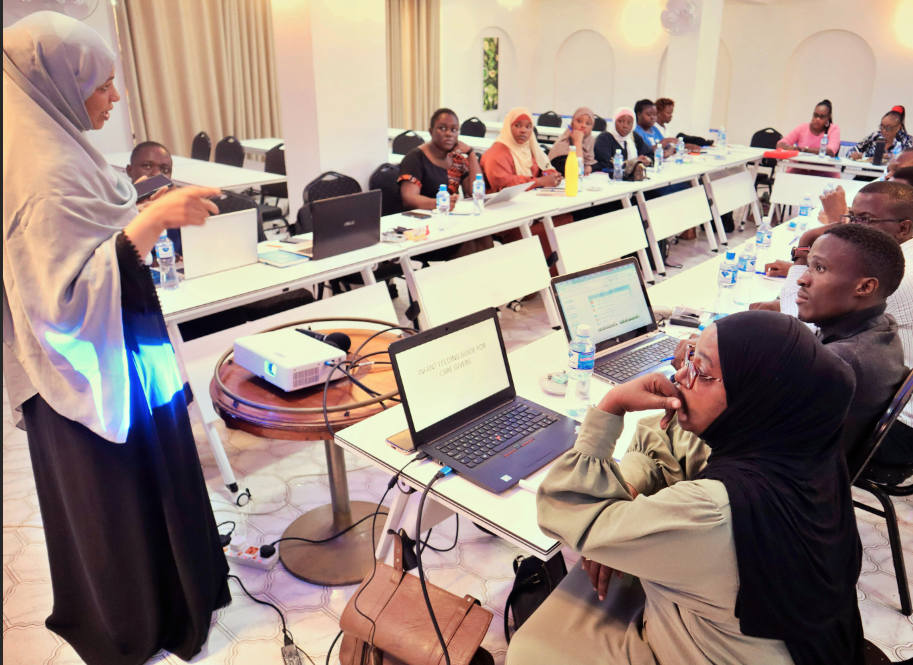
The initiative was formally introduced during a recent stakeholder forum convened by the county’s nutrition and health promotion unit.
It brought together health and childcare experts to brainstorm the content and design of the upcoming guide.
According to Mombasa County Director of Nutrition Esha Bakari, data from the Kenya Demographic Health Survey 2022 underscores the urgency of this effort.
“We have a growing number of children in need of consistent and informed nutritional care. But many of the materials available are written for trained health professionals—not the caregivers who spend the most time with children,” Bakari said.
She explained that most existing information, education and communication materials fail to meet the needs of home-based providers, many of whom operate without formal training or support.
“Caregivers are often overlooked in nutrition campaigns. This booklet will be developed in simple language, be easy to carry and directly speak to their realities,” she said.
The reference guide will include key topics such as infant and young child feeding practices, nutrition through various growth stages, care for children with physical or mental disabilities, and basic hygiene and first aid.
The goal is to provide a holistic and easy-to-use tool for caregivers across Mombasa.
For Godfrey Ogweno, Health, Nutrition and WASH Assistant at Kidogo Early Years, the booklet is not just a publication—it’s a lifeline.
“We are grounding the guide in national policy, but translating it into practical, everyday language. We want to ensure that even informal caregivers in low-income neighbourhoods can offer the best possible care,” he said.
Ogweno said many parents leave their children in the hands of informal providers while they work, making it vital that these caregivers are equipped with accurate, actionable knowledge.
“The guide will promote not just physical growth but overall well-being,” he added.
As Mombasa leads this initiative, there is a renewed sense of urgency to protect and nurture its youngest citizens—not only by feeding them but feeding them well, with knowledge, intention and love.
“We are not just creating a booklet. We are creating a future where every child—regardless of their background —has the chance to thrive,” he said.
The initiative has attracted praise from other local organisations, including Sauti ya Wanawake and Tema Digital Research Trust, which both emphasised the importance of culturally relevant materials.
Lucas Fondo of Tema Digital Research Trust highlighted the need for strategic dissemination.
“We must ensure this booklet doesn’t gather dust in offices. It should be in the hands of those who need it most. That means working with both state and non-state actors to reach caregivers in every corner of the county,” Fondo said.
Fondo added that equitable access to information is essential in narrowing disparities in child health outcomes.
“When some caregivers are informed while others are not, we create inequality from the very beginning of a child’s life. This guide is about giving every child a fair shot,” he said.
The stakeholders agreed that the final product should align with both county and national health frameworks while being visually appealing and linguistically accessible.
Content development will continue with broader consultations to ensure it reflects the lived experiences and needs of the community, they said.