
The National Social Security Fund (NSSF) has grown its monthly contributions more than sixfold to Sh8.5 billion since 2023, reflecting higher statutory contribution rates and an expanded savings base.
This has seen the fund step up investments in infrastructure and other income-generating assets.
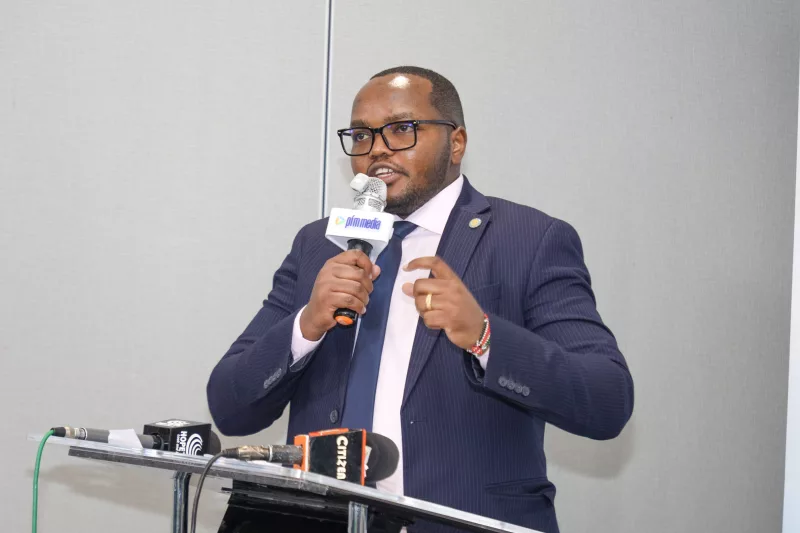
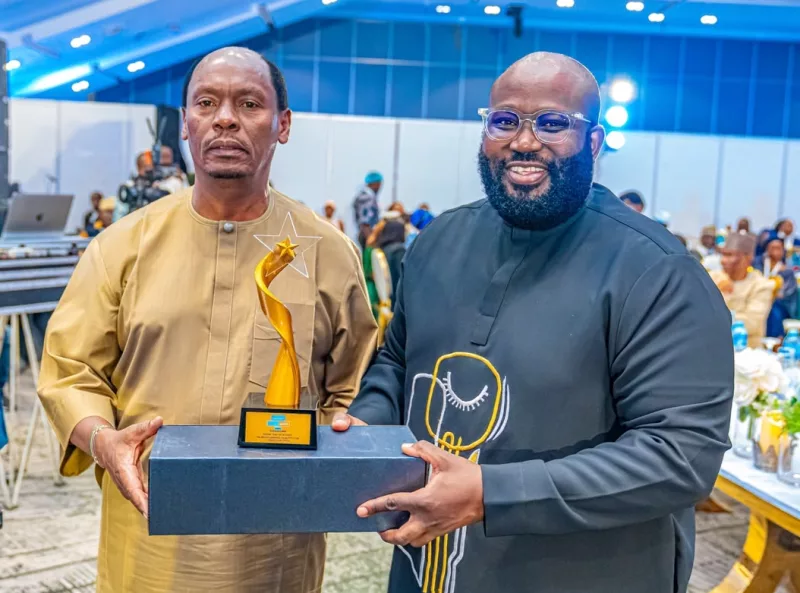
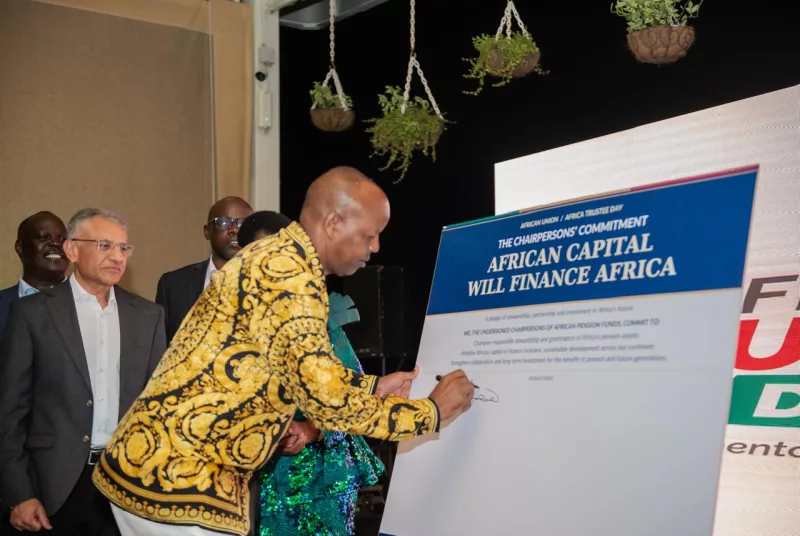
The growth has earned managing trustee and chief executive David Koross the Africa Pension Personality of the Year 2026 award at the second Africa Festival of Pensions Awards held in Mombasa on November 20.
The Fund’s assets have also expanded from Sh288 billion in 2022 to Sh850 billion as of November 2026.
This growth reflects the phased implementation of the NSSF Act 2013, which raised mandatory contributions from employers and employees, rather than operational improvements alone.
The Fund is targeting Sh1 trillion in assets by June 2027, against a backdrop of growing pressure on pension institutions to demonstrate that larger savings pools translate into better retirement outcomes for members.
The increase follows the progressive implementation of the contribution framework, which in February 2026 entered its fourth year.
Under the revised rates, employees and employers each contribute six per cent of pensionable earnings, subject to a lower earnings limit of Sh9,000 and an upper limit of Sh108,000.
This puts the maximum combined monthly contribution per employee at Sh12,960.
Improved investment earnings have accompanied the expanded collections.
NSSF declared a net interest rate of 17 per cent for the year ended June 2025, compared with 11 per cent in the previous financial year, boosting returns credited to members' savings.
Koross said the Fund had also changed its investment approach, digitised member services and improved transparency in reporting investment performance.
President Ruto said digitisation had reduced the time taken to process benefits from 82 days to seven days, with the Fund targeting a further reduction to 24 hours.
NSSF paid Sh40.1 billion to approximately 400,000 beneficiaries over the three years to November 2026.
The Fund has also sought to diversify investments beyond traditional government securities into infrastructure, which Koross argues can generate long-term returns while supporting economic development.
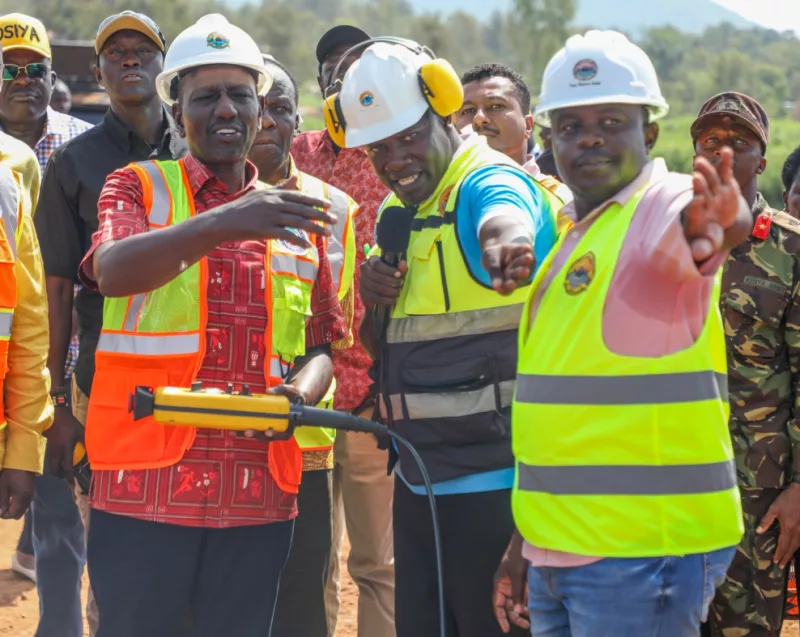
One of its flagship investments is the Rironi–Naivasha–Gilgil highway, an 81-kilometre section of the Rironi–Mau Summit road project.
Under a 30-year concession arrangement, NSSF is entitled to 40 per cent of toll collections, with the investment intended to provide a long-term income stream for members.
However, the growing asset base comes with the responsibility of delivering adequate retirement benefits in a country where pension coverage remains relatively low.
The Retirement Benefits Authority estimates that pension coverage stands at about 26 per cent of Kenya's workforce, with the informal sector accounting for a substantial share of workers outside conventional retirement schemes.
Its 2024 pensioner survey also found that only 41 per cent of respondents considered their retirement benefits adequate.
NSSF also received the Africa Pension Marketing and Communication Award for its Haba Haba campaign, which targets informal sector workers through digital content, songs and other accessible communication platforms to encourage small but consistent retirement savings.
Koross said pension funds should be judged not merely by the size of their assets but by the returns they deliver and the economic impact of their investments.
He maintained that the recognition was an endorsement of the institution's reforms, but acknowledged that the ultimate test would be what members receive when they retire.
"Awards do not pay pensions, and members will judge us on what they receive in retirement," he said.