Businesses and civil society are seeking greater involvement in the development of government policies, particularly taxation and public finance decisions.
This comes amid concerns about the impact of legislation on the cost of doing business and investment in the country.
The debate over public participation gained renewed attention following the launch of a new five-year strategic plan by Mzalendo Trust, which seeks to strengthen parliamentary openness, civic engagement and accountability in government decision-making.
The plan comes at a time when taxation has become a major concern for businesses struggling with operating costs, changing regulatory requirements and an increasingly unpredictable economic environment.
For businesses, participation in policymaking goes beyond attending public hearings. It involves having their concerns considered before legislation is passed, particularly where proposed taxes and regulatory changes could affect investment, employment and consumer prices.
The government's engagement with civil society organisations is also emerging as an important part of efforts to improve the quality of public policy.
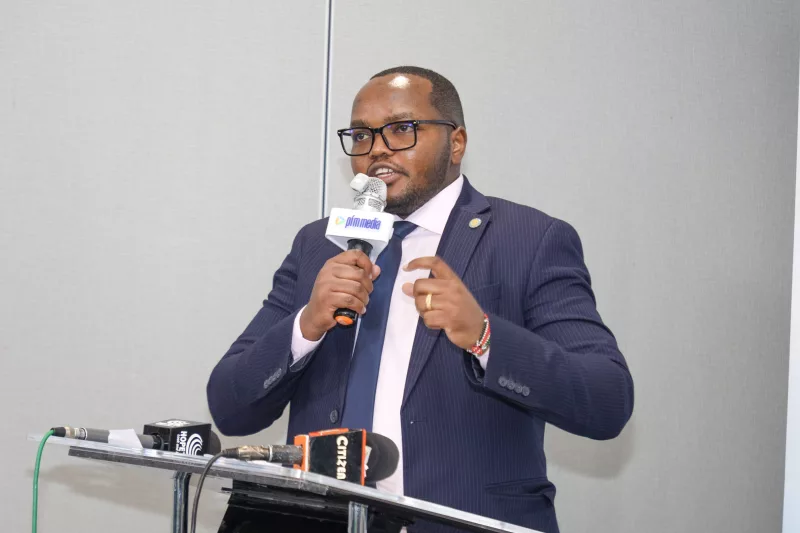
Principal Secretary for Foreign Affairs, Korir Sing'Oei is urging a stronger cooperation between public institutions and civil society, arguing that the two can disagree without becoming adversaries.
““Greater success in cooperation depends on protecting spaces where government and civil society can disagree without becoming adversaries. I really want to emphasise that,” said Sing'Oei
He said government and civil society have different but complementary responsibilities, with the latter providing independent scrutiny while public institutions remain accountable for their decisions.
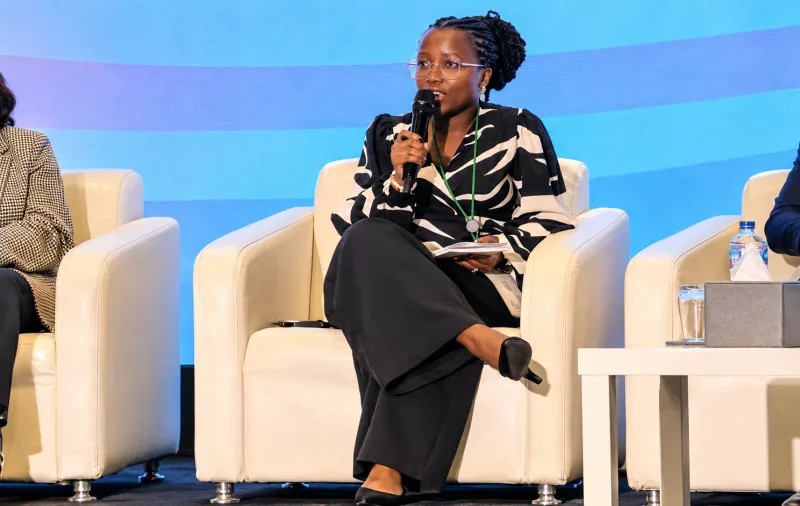
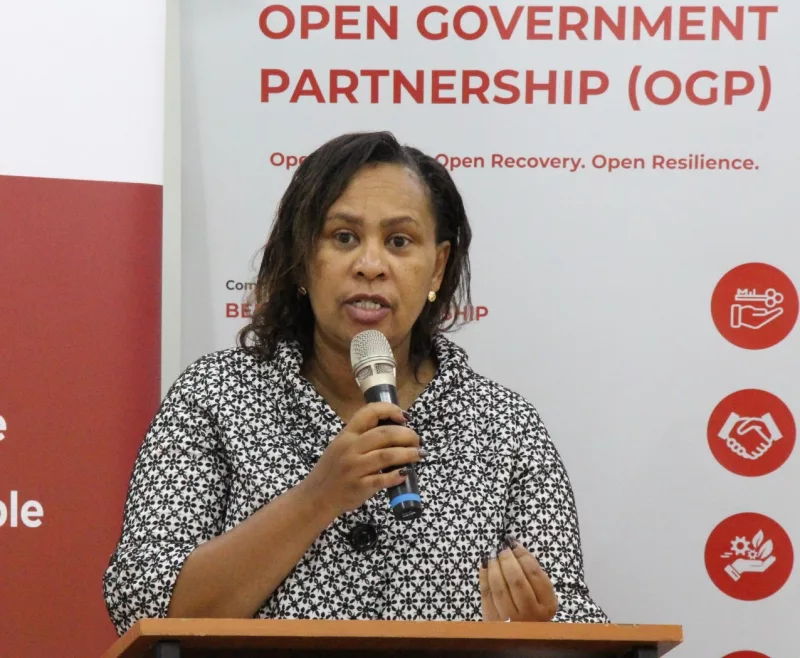
Mzalendo Trust executive director is Caroline Gaita said such platforms could provide an opportunity to raise concerns about proposed tax measures, public expenditure and regulations that influence the business environment.
Taxation remains particularly sensitive because changes in tax policy can affect businesses differently depending on their size, sector and capacity to absorb additional costs.
Small businesses, which often operate on limited margins, are especially exposed to changes in operating costs. Larger firms, meanwhile, must factor tax and regulatory uncertainty into investment and expansion decisions.
“Civil society brings valuable perspectives that help shape inclusive, responsive and accountable public policy,” she said.
According t0o the director, the strategic plan places emphasis on improving public participation, strengthening research capacity and increasing access to information.
The organisation has also highlighted the importance of parliamentary openness, arguing that citizens should understand not only what government is doing but also how laws are developed and public resources utilised.
Its work is linked to Kenya's participation in the Open Government Partnership, an international initiative that brings governments and civil society organisations together to advance transparency, accountability and public participation.
The partnership provides a platform for developing and implementing commitments aimed at making government decisions more transparent and inclusive.
The strategic plan also identifies the inclusion of women, young people and persons with disabilities in governance processes as an important consideration in shaping public policy.
However, the effectiveness of such initiatives will depend on whether public participation translates into tangible changes in legislation and government decisions.
Greater transparency in parliamentary processes could also help companies anticipate policy changes, assess potential costs and make better-informed investment decisions.