TREASURY needs to revise its economic growth and revenue targets for the 2027-28 financial year to reflect the realities of an election year, mounting debt costs and persistent weaknesses in tax collection.
The Institute of Public Finance (IPF) warns that maintaining ambitious projections could undermine the credibility of the Sh5.2 trillion budget, trigger borrowing beyond planned levels and further disrupt the delivery of essential public services.
This, even as it rises issues around accountability, priorities and credibility.
The warning comes as Parliament considers the 2027 Budget Policy Statement (BPS), with Treasury projecting economic growth of 5.1 per cent in 2027 and ordinary revenue of Sh3.923 trillion, including Sh3.139 trillion in tax collections.
In its seventh Annual National Shadow Budget, IPF argues that these assumptions are overly optimistic, particularly given Kenya's historical experience of slower economic activity and revenue collection during election periods.
It wants Parliament to push the government to lower its growth forecast to between 4.4 and 4.7 per cent, in line with projections by the World Bank and African Development Bank, while adjusting tax revenue expectations closer to Sh2.9 trillion.
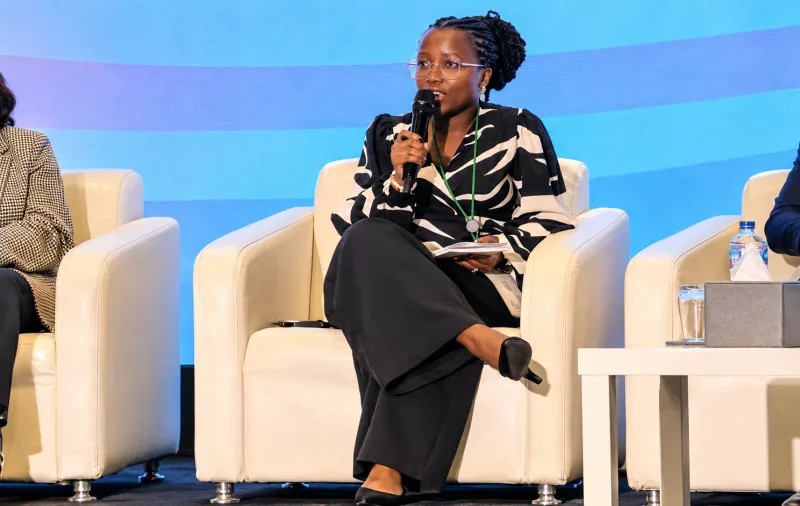
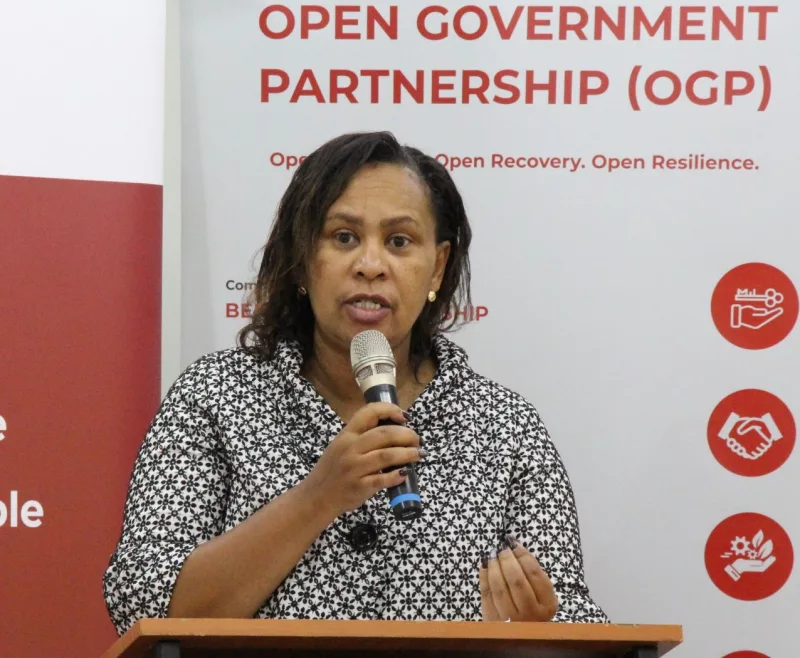
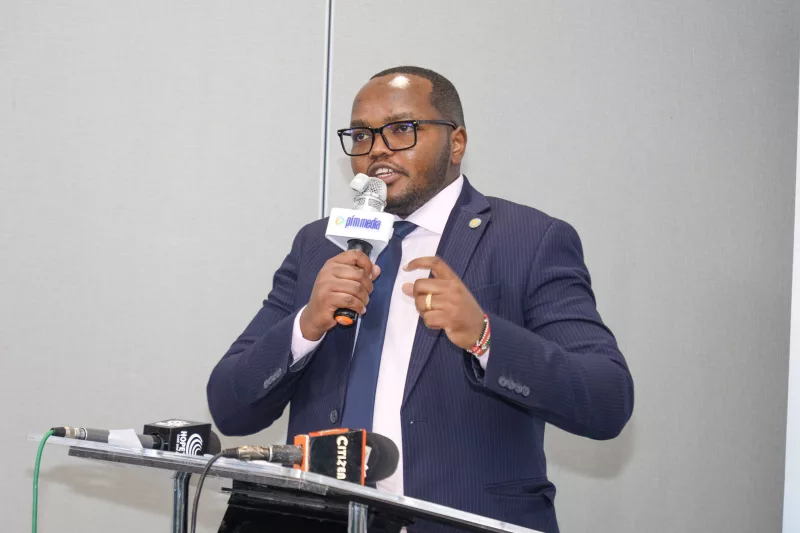
“Kenya's budget challenge is fundamentally one of credibility, prioritisation and accountability,” said Gladys Wachira, research analyst at IPF.
The institute's concerns present a major test for the Treasury as it prepares a Sh5.236 trillion spending plan for 2027-28, reduced from an earlier proposal of approximately Sh5.4 trillion, against an increasingly constrained fiscal environment.
This is up from the Sh4.82 trillion budget plan for the year ending June 30, 2027.
IPF chief executive Daniel Ndirangu said Parliament should not approve expenditure plans built on economic and revenue assumptions that are significantly above independent forecasts and the country's historical performance.
“Treasury is asking Parliament to approve spending that rests on growth and revenue figures above what independent forecasters and Kenya's own record would support. In an election year, that is a risk MPs should not sign off without hard questions,” he said.
The institute estimates that maintaining the average tax revenue growth rate recorded over the past decade would generate approximately Sh2.9 trillion, leaving a Sh235 billion shortfall against the Treasury's target.
Such a gap would force the government to borrow more, accumulate pending bills, delay development projects or cut allocations to essential services.
The risks are amplified by the country's growing debt burden, which has increasingly restricted the amount of revenue available for development and public investment.
Public debt stood at Sh13.1 trillion, equivalent to 70.4 per cent of GDP, by June 2026 and has since risen to approximately Sh13.5 trillion, according to Central Bank of Kenya.
Treasury projects interest payments of Sh1.32 trillion in 2027-28, representing approximately 40 per cent of ordinary revenue.
This means that for every Sh100 collected by the government, about Sh40 will go towards paying interest on public debt, leaving a smaller share for roads, schools, hospitals and other economic investments.
More concerning is the growing reliance on borrowing to finance recurrent expenditure, including government operations, rather than productive development spending.
IPF estimates that about 21 per cent of the Sh983.7 billion borrowed in the 2025-26 financial year went towards recurrent expenditure.
The trend raises questions about fiscal sustainability, particularly as recurrent expenditure continues to account for more than 70 per cent of the national budget.
This is against the Public Finance Management Act's requirement that at least 30 per cent of the budget goes towards development over the medium term.
For businesses, the implications extend beyond government accounting. Rising debt servicing costs and persistent revenue shortfalls could translate into increased taxation, delayed government payments to suppliers, expensive domestic borrowing and reduced public investment.
The institute also warns that weak budget execution is undermining the economic returns expected from public infrastructure investments.
This, as the Auditor-General reports identified 219 stalled, incomplete or delayed national government projects worth Sh291.2 billion in 2024-25, up from 188 projects valued at Sh240.5 billion a year earlier.
The delays increase project costs, lock up public resources and deny businesses opportunities associated with infrastructure development.
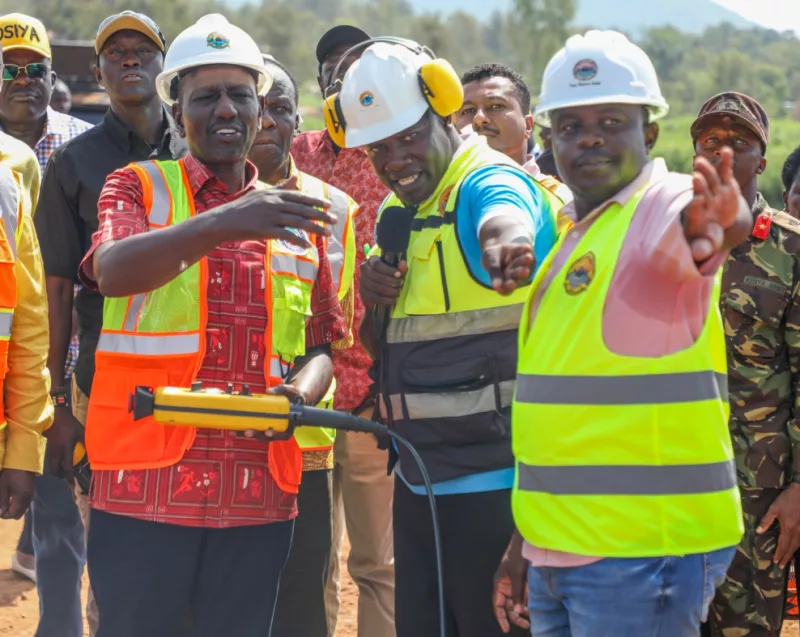
The Thwake Dam project, for instance, incurred Sh569 million in avoidable interest costs, while its overall cost was revised upwards by approximately 32 per cent.
Parliament has been urged to prioritise completing viable ongoing projects before approving new ones, arguing that spreading limited resources across too many projects compromises delivery and increases the fiscal burden.
The institute further warns that inadequate budget allocations are weakening critical social sectors, with consequences for household spending and business productivity.
In health, claims under the Social Health Insurance Fund exceeded contributions by 59 per cent in 2024-25, while the Health Insurance Subsidy Programme received approximately Sh310 million against an estimated requirement of between Sh37 billion and Sh39 billion.
Delayed payments to healthcare providers are also raising concerns about the sustainability of facilities, particularly private and faith-based hospitals.
Education financing faces similar pressure, with the State Department for Basic Education's allocation declining from Sh155.4 billion in 2023-24 to Sh132.7 billion in 2025-26.
IPF says free primary education capitation would need to rise from Sh1,420 to approximately Sh1,833 per learner by 2027-28 to maintain its 2022-23 purchasing power.
The institute also highlights declining allocations to social protection, despite an increase in beneficiaries under the National Safety Net Programme.
Its allocation is projected to fall to Sh27.9 billion in 2027-28 from Sh42.7 billion in 2022-23.
“Behind each of these numbers is a county hospital waiting to be paid, a school asking parents to cover the shortfall, a household that needed health cover and was not enrolled,” Ndirangu said.