Wealthy individuals holding assets in offshore accounts, foreign property and complex corporate structures could face increased tax scrutiny as countries push for stronger international cooperation to track hidden wealth.
The proposed United Nations Framework Convention on International Tax Cooperation seeks to strengthen the ability of tax authorities to identify assets held across borders and close loopholes that allow individuals to conceal wealth from domestic revenue agencies.
Organisers say the issue is expected to feature prominently in the sixth round of negotiations scheduled to take place in Nairobi from November 30 to December 10, where countries will discuss provisions on international tax cooperation, transparency and the exchange of financial information.
A recent report by the US-based National Bureau of Economic Research indicated that Kenya's super-rich held more than Sh5 trillion in offshore tax havens.
The Africa Wealth Report (2026) by New World Wealth shows Kenya had 6,500 dollar millionaires (holding over $1 million) and 15 individuals holding over $100 million (Sh13.2 billion) in the 12 months to June 2026.
The report notes that a significant portion of the country's elite has been shifting capital into offshore tax havens, foreign real estate, and hard-currency bonds amid domestic economic and tax pressures.
Tax justice campaigners are now pushing for coordinated mechanisms that would enable governments to identify and tax extreme wealth, arguing that existing international arrangements have failed to give developing countries adequate access to information about assets held abroad.
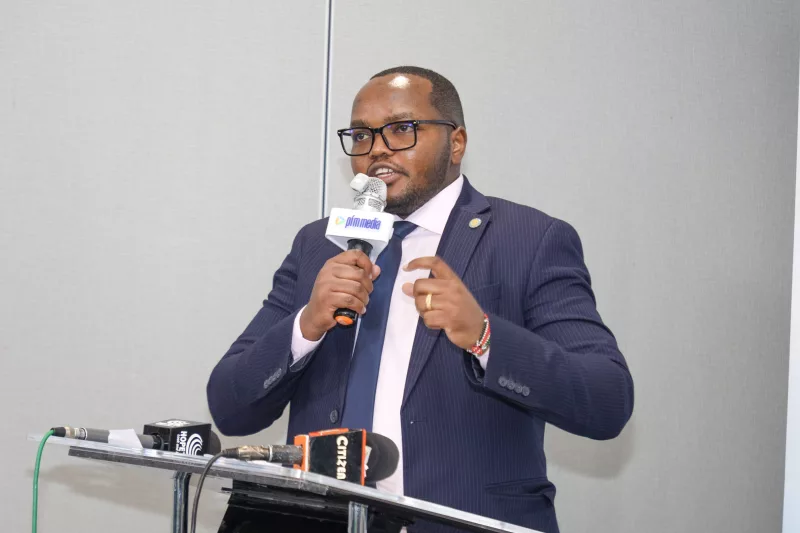
Secretary of the Tax Justice Network for Latin America and the Caribbean, Adrian Falco, said progressive tax systems would achieve little if governments could not establish what their wealthiest citizens own outside their borders.
“There is no point in creating progressive tax systems in our countries if tax authorities cannot identify assets hidden abroad,” Falco said during a media briefing ahead of the Nairobi negotiations.
He argued that developed countries were seeking to weaken provisions on taxing high-net-worth individuals by replacing binding commitments with aspirational language and making cooperation conditional.
The campaigners want the proposed convention to establish stronger international mechanisms for tracing wealth, including public and verifiable beneficial ownership registries and a global asset registry.
Such a registry would connect information on bank accounts, luxury real estate, yachts, cryptocurrency holdings and corporate structures, making it harder for wealthy individuals to conceal ownership through layers of offshore companies and trusts.
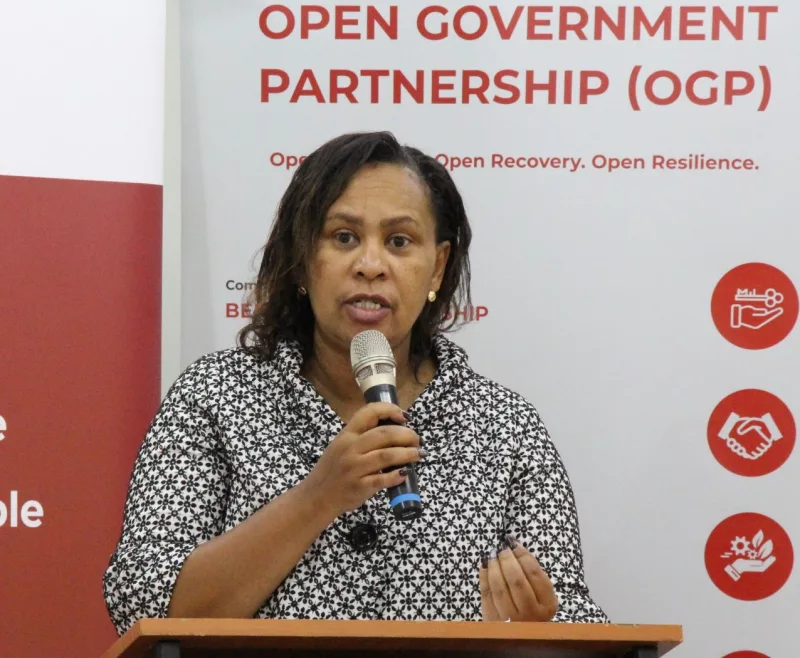
Tax Justice Network Africa, Policy, Research and Advocacy Manager, Ruth Wamuyu, said the negotiations offered African countries an opportunity to address longstanding inequalities in international tax rules.
“For close to a century, African countries have operated in an international tax system that has eroded their taxing rights,” said Wamuyu.
She argued that the convention should expand the taxing rights of African countries to reflect current economic realities and improve their ability to mobilise domestic resources.
The push exposes a major weakness in the international tax system, where governments often struggle to trace assets held in jurisdictions beyond their borders, limiting their ability to enforce domestic tax laws.
For Kenya, stronger international information-sharing arrangements could give the Kenya Revenue Authority (KRA) additional tools to identify undeclared offshore assets and pursue taxpayers suspected of concealing wealth.
However, the ability of developing countries to benefit from such arrangements remains a major concern in the negotiations.
Falco criticised the existing information-sharing framework, saying it places significant financial and administrative demands on developing countries before they can access information about their own wealthy residents.
Developed countries have argued that the proposed convention should build on existing standards, including the Organisation for Economic Co-operation and Development's multilateral tax cooperation framework, to avoid duplication.
But tax justice campaigners say the current arrangements are inadequate because they require developing countries to invest heavily in technology infrastructure and bureaucratic systems before receiving financial information.
The proposed global asset registry is therefore being presented as a way of making information more accessible and improving transparency across jurisdictions.