The University of Nairobi is under pressure to explain how its pension deficit ballooned to more than Sh10 billion, with MPs demanding documentary evidence to back management's claims on efforts to settle the mounting liabilities.
The National Assembly's Public Investments Committee on Governance and Education has given the university two weeks to produce records detailing unpaid pension contributions, tax arrears, engagements with government agencies and measures being taken to stabilise its finances.
The issues emerged during consideration of the university’s audit reports covering 2020/21, to 2024/5 financial years.
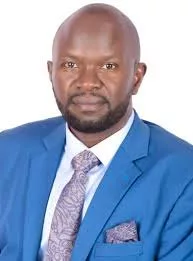
UoN Vice-Chancellor Prof Ayub Njoroge Gitau was appearing before the oversight committee chaired by Luanda MP Dick Maungu.
The session exposed gaps in the university's explanations, with lawmakers questioning how statutory deductions from employees' salaries accumulated into billions of shillings without being remitted to the relevant agencies.
At the centre of the inquiry is a pension deficit that the vice-chancellor said had more than doubled from approximately Sh5 billion to over Sh10 billion.
The university is also grappling with unpaid taxes, including Pay As You Earn (PAYE), as it explores asset commercialisation to raise money to meet its obligations.
An Auditor-General's representative told the committee that the university had failed to remit approximately Sh1.4 billion in pension contributions and Sh50 million in PAYE during the 2021/2022 financial year.
The representative indicated that the outstanding amounts had accumulated over several years, raising questions about how long the institution had allowed its statutory obligations to remain unsettled.
Maungu challenged the university's management to demonstrate that it had a concrete plan to address the financial crisis, saying the committee had not received satisfactory details of the proposed interventions.
“You are not giving us workable steps that the university is doing,” the chairman told the management.
Prof Gitau acknowledged that the institution had experienced periods when pension contributions were not remitted, but said it had resumed some payments, particularly for employees approaching retirement.
“What we have done is, for members who are retiring, we continuously pay,” he said, adding that the university had been making remittances in recent months as it worked to revive the pension scheme.
The university is in discussions with pension scheme trustees and is considering making some of its land available for development to help offset the deficit.
“We are going through valuation of our assets,” Gitau told MPs, explaining that the university council and pension scheme had agreed to explore the proposal.
But the explanation did little to satisfy Maungu, who challenged the management to demonstrate how the institution's extensive property portfolio would translate into revenue.
“You seem to be very proud about that asset base, which is good, but it's not helping me out,” he said, demanding practical strategies rather than proposals whose financial benefits remained unclear.
The university also disclosed that the government owed it slightly more than Sh3 billion in outstanding funding and payments linked to the Higher Education Loans Board (HELB).
Gitau said the amount had reduced from nearly Sh5 billion, but remained a significant burden on the institution's cash flow.
Central Imenti MP Moses Kirima called for a deeper investigation into how the liabilities accumulated, warning that the committee needed to establish whether financial mismanagement had contributed to the situation.
“We found a number of anomalies whereby money was siphoned from the university by a number of players and cartels,” he said.
Kasipul MP Boyd Were questioned the potential cost of accumulated penalties and interest on unpaid PAYE, demanding to know what measures the university had taken to contain the exposure.
“If you have unremitted PAYE of Sh5 billion, the penalties and interest could be billions of shillings,” Were said.
Narok Woman Representative Rebecca Tonkei backed the demand for documentary evidence, while an official from the Inspectorate of State Corporations said the committee could not conclude its inquiry without verifying the university's submissions.
“If we have to conclude the matter, then it's a fact plus the evidence which is required,” the official said, noting that the issues raised were material because they involved possible violations of the law.