The National Land Commission has introduced three draft regulatory instruments aimed at strengthening land governance, addressing historical land injustices and protecting public land from illegal allocations.
The proposed instruments are the Draft National Rating (Contribution in Lieu of Rates for Public Land) Regulations, 2026; the Revised Draft National Land Commission (Historical Land Injustices) Regulations, 2026; and the Revised Draft National Land Commission (Review of Grants and Dispositions of Public Land) Rules, 2026.
The instruments are undergoing public participation and stakeholder validation, with the commission seeking input to strengthen the proposed frameworks before they are finalised.
During a public participation and stakeholder validation forum held on October 27, representatives of national and county governments, professional bodies, civil society organisations, development partners and other stakeholders were invited to submit their views.
Devolution official Michael Loikenu Lenasalon emphasised the importance of cooperation between the national and county governments in managing public land, resolving historical land grievances and strengthening county revenue collection.
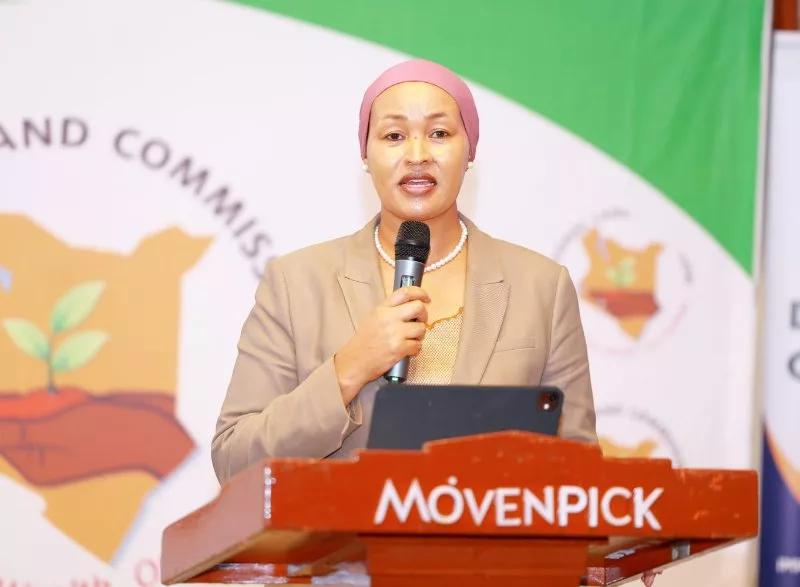
NLC chairperson Dr Abdillahi Alawy urged stakeholders to participate actively in the process and offer practical recommendations.
“Meaningful public participation should go beyond attendance by giving citizens and stakeholders an opportunity to raise concerns and influence the final outcome,” Alawy said.
The proposed National Rating Regulations seek to clarify how contributions in lieu of rates should be assessed and paid on qualifying public land held by national government entities in county rating jurisdictions.
The framework is intended to promote transparency, establish clear procedures and improve coordination between the two levels of government.
The revised Historical Land Injustices Regulations seek to establish a clear and transparent process for receiving, assessing and investigating historical land claims and recommending appropriate redress in accordance with the law.
The commission expects the framework to improve access to justice, protect affected communities and contribute to peaceful and inclusive development.
Meanwhile, the revised rules on the review of grants and dispositions of public land seek to establish procedures for examining the legality and propriety of public land allocations while safeguarding the rights of affected parties and upholding due process.
The commission is expected to consider the views and recommendations received during public participation as it works towards finalising the three instruments.
In a related initiative, NLC has engaged public institutions and county governments on developing and maintaining a comprehensive national inventory of public land, amid concerns over encroachment and illegal allocations.
The engagement focused on collaboration between the commission and institutions that own public land, particularly the sharing of information needed to establish a reliable national inventory.
Alawy said the inventory would help establish the location, size, boundaries and status of public land across the country.
“It will enhance our understanding of the public land we hold, the purposes for which it is reserved, its tenure status and the institutions responsible for its management and use,” he said.
"Such information is fundamental to informed decision-making, effective land administration and the protection of public land against illegal allocation, encroachment, grabbing and multiple allocations."
NLC chief executive officer Kabale Tache said the commission had initiated efforts to develop a public land inventory through the Office of the Head of Public Institutions a few years ago.
“The commission was able to receive data from about 40 public institutions. The information was submitted in different formats, reflecting the diverse systems and records maintained by the respective institutions,” she said.
Tache said the submissions provided an important foundation for the initiative and demonstrated the willingness of public institutions to support the process.
However, the exercise also highlighted the need for greater standardisation, harmonisation, verification and systematic consolidation of the information received.
The commission says collaboration among government institutions, county governments and other stakeholders will be essential in developing practical and reliable frameworks for managing public land, resolving historical claims and strengthening accountability in land administration.