Kenyans who have used public transport for years remember how the Michuki Rules transformed the matatu industry. Seat belts, speed controls, driver identification and vehicle standards replaced a culture of reckless driving, overcrowding and poor maintenance.
The lesson of that reform is that public order is never achieved once and for all. It has to be protected continuously, and some of the disorder we thought we had left behind is creeping back.
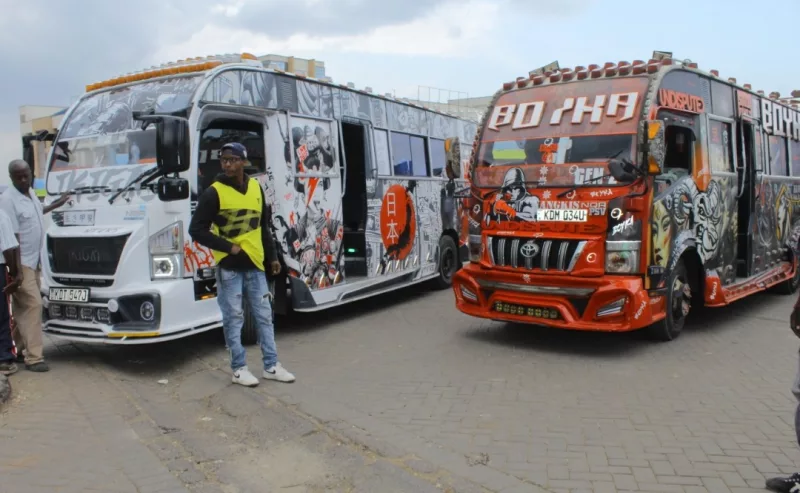
The problem is not the colourful, customised "nganyas" and "manyokas". Creativity and youthful expression are not threats to society.
The problem begins when entertainment endangers life, through extremely loud music, reckless overtaking, illegal turns, vehicles swerving across lanes, crew hanging from moving vehicles and modifications that make a matatu bounce in the middle of a busy road. At that point, one person's freedom is being exercised at the expense of everyone else's right to travel safely.
The numbers show why this matters. Data from the National Transport and Safety Authority shows that Kenya recorded 2,150 road traffic deaths in the first half of 2026, an 11 per cent increase over the same period in 2025. That is roughly 12 deaths every day.
Pedestrians account for the largest share at around 836 fatalities, nearly four in 10 of the total, followed by motorcyclists and drivers, with about 188 drivers killed. Many of the dead are not the people making dangerous choices but those who share the road with them.
The toll keeps growing. On October 3, 2026, a multi-vehicle crash along the Nairobi-Mombasa highway in the Salama area killed 17 people, most of them Catholic pilgrims. In August, a bus carrying students from the Technical University of Mombasa crashed on the Kisumu to Awasi highway, leaving two students dead and dozens injured.
Footage showed some students hanging from the side of the moving bus and others on its roof shortly before the collision. Investigators must establish the cause of each crash, and neither should be judged in advance. Together, though, they raise a fair question about how much risk we have learned to accept.
Kenya does not lack rules. NTSA's 2014 regulations require crew to wear uniforms and identification badges, operators to follow approved routes and stops, passengers to be treated courteously and music played during journeys to stay within prescribed limits.
They also require regular inspections of tyres, lights, safety belts and brakes. Noise regulations bar vehicles from producing loud and unusual sound and set an 84 decibel limit when accelerating. The real gap lies between the rules and their enforcement.
Enforcement is only part of the picture, because passengers also shape the culture. Many stay silent out of fear or a sense of powerlessness. One passenger told me there was nothing he could do because the crew were the age of his sons. On another trip, a woman who asked for lower volume found that most passengers stayed quiet, and the noise was so loud she could not hold a phone call.
This is where civic education matters. It is not only about knowing what Parliament does. It includes knowing that paying a fare does not mean surrendering safety and dignity, that operating a public vehicle carries duties to passengers, and that young people can enjoy themselves while respecting the rights of others.
Civic responsibility, however, cannot excuse institutions. Citizens cannot inspect vehicles, issue licences, certify roadworthiness or enforce speed limits.
Those duties belong to NTSA, traffic officers, inspectors and SACCOs, and they should answer for why dangerous practices persist in plain view.
This should not be framed as old against young, or traditional matatus against nganyas. The principle is simple. No person's freedom should become another person's danger. Kenya needs responsible operators, professional crews, consistent enforcement and passengers who are willing to speak up.
A sustained national conversation about everyday citizenship will do more than another temporary crackdown.
Dr. Karanja Wainaina, PhD.
Education Management & Policy consultant