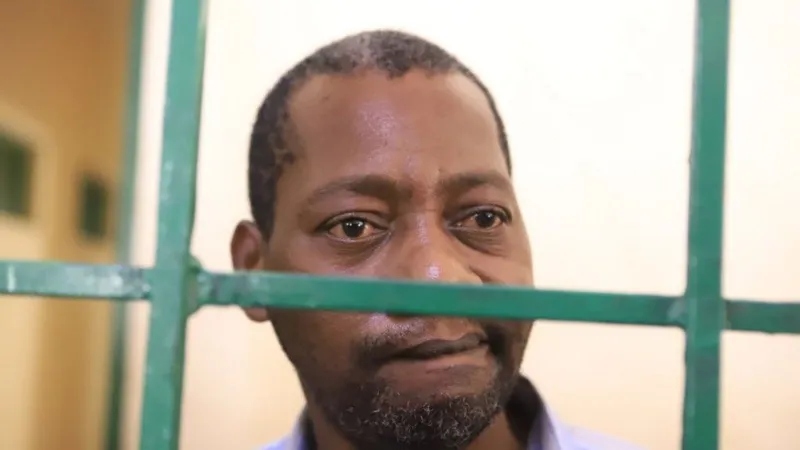
The Shakahola tragedy is more than a story of religious extremism. It is a damning test of Kenya’s constitutional order, the accountability of public institutions and our collective commitment to protecting human life. The High Court’s October 19 conviction of Paul Mackenzie and his co-accused on 191 counts of murder (190 children and one adult) marks a milestone in the pursuit of justice. But a verdict, however consequential, cannot bury the questions Shakahola has unearthed.
How did a religious movement descend into mass death? Why were vulnerable people not rescued earlier? And what does this tragedy reveal about a state that promises to protect life but may fail to act when danger becomes apparent?
Mackenzie’s Good News International Church promoted an apocalyptic worldview in which extreme fasting was presented as a pathway to salvation. What emerged in Shakahola, Kilifi county, was a horrifying demonstration of how religious authority, isolation and unquestioning obedience can combine to produce catastrophe. The discovery of mass graves in 2023 exposed the human cost of a movement whose teachings placed vulnerable lives at extraordinary risk.
The convictions of so many innocents make this case particularly painful. Children depend on adults and institutions for protection. They cannot be treated as expendable instruments of another person’s ideology. No religious doctrine, parental instruction or claim of divine revelation can erase a child’s right to life.
Shakahola forces us to confront an uncomfortable truth about human nature: the search for meaning and belonging can make people vulnerable to manipulation. When a leader claims exclusive access to divine truth, discourages questioning and portrays obedience as the ultimate virtue, independent judgment can gradually surrender to fear and group pressure.
This is not an indictment of religion. Kenya’s religious institutions provide essential spiritual guidance, social support and charitable services. The problem arises when faith becomes a shield for coercion, exploitation and criminality. Religious leaders must recognise that spiritual authority confers responsibility, not immunity. Congregations, too, must understand that questioning harmful conduct is not an act of faithlessness.
Yet Shakahola cannot be explained away as the folly of a few believers. That would absolve society and institutions of difficult questions. The more urgent inquiry concerns the warning signs, the handling of complaints and the effectiveness of the public agencies entrusted with protecting citizens.
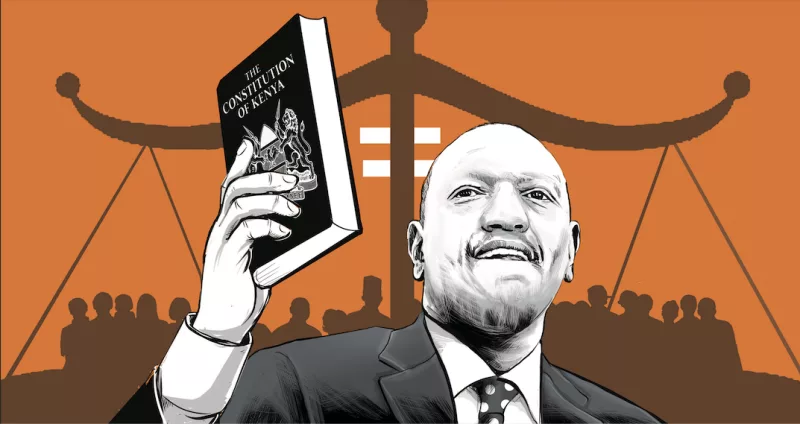
The 2010 Constitution is unequivocal. Article 21 obliges the state to respect, protect, promote and fulfil fundamental rights. Article 26 guarantees the right to life, while Article 53 makes the best interests of the child paramount in every matter concerning children. These are binding obligations, not political slogans to be invoked during national mourning.
Article 32 protects freedom of conscience and religion. But religious freedom is not a licence to murder, abuse children, unlawfully confine followers or expose people to lethal harm. The State must protect freedom of worship while intervening lawfully and proportionately when credible evidence points to criminal conduct.
This is where Shakahola becomes a test of government. Questions about policing, intelligence, local administration and child-protection systems demand transparent answers. Where evidence establishes negligence, misconduct or criminal complicity, accountability must follow due process. Public office must never become a sanctuary from scrutiny.
The lesson is not that government should determine what Kenyans believe. It is that government cannot hide behind religious freedom when its duty to protect life is engaged. A constitutional State must guard against both private tyranny exercised by abusive leaders and public tyranny exercised through excessive regulation.
The judgment affirms that religious claims cannot place anyone above the law. But convictions alone cannot repair institutional weaknesses. Kenya needs proportionate safeguards for religious organisations, effective reporting mechanisms, stronger child-protection systems and clear procedures for responding to credible warnings. Police, teachers, health workers, children’s officers and local administrators must coordinate rather than pass responsibility from one office to another.
Parliament must scrutinise regulatory reforms carefully. Registration and oversight should promote accountability and safeguarding, not give politicians the power to approve theology or silence inconvenient religious voices. Religious institutions must establish credible complaints procedures and ensure that vulnerable people can seek help without intimidation.
Above all, the government must demonstrate what has changed. Recommendations from official inquiries should be assigned to responsible institutions, given implementation deadlines and subjected to public scrutiny. Another commission, another policy document and another expression of outrage will achieve little without measurable action.
Shakahola exposes a national contradiction: we proclaim constitutional freedoms but sometimes neglect the institutions and civic vigilance needed to protect them. Freedom without safeguards can expose vulnerable people to abuse; regulation without restraint can threaten legitimate liberty.
The dead cannot be restored by a court judgment. But their deaths must compel us to build a society in which children are protected, religious authority is accountable and public officials act before warnings become funerals.
Shakahola must not become another tragedy Kenya mourns and forgets. It must become a turning point in how we understand freedom, exercise power and defend the sanctity of human life.