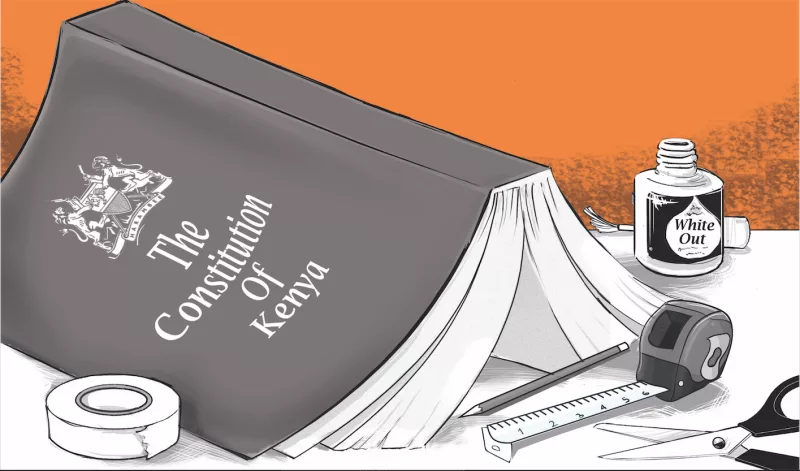
Though Article 8 of the Constitution separates religion and the state, faith does and will continue to play an outsized role in governance and politics the world over. The case of just-convicted Paul Mackenzie, on the one hand, and the spectacle of politicians troop to churches on Sunday with camera crews in tow, on the other, demonstrate the depth of our conservative religious roots as a people and why faith institutions wield so much influence on our politics going forward.
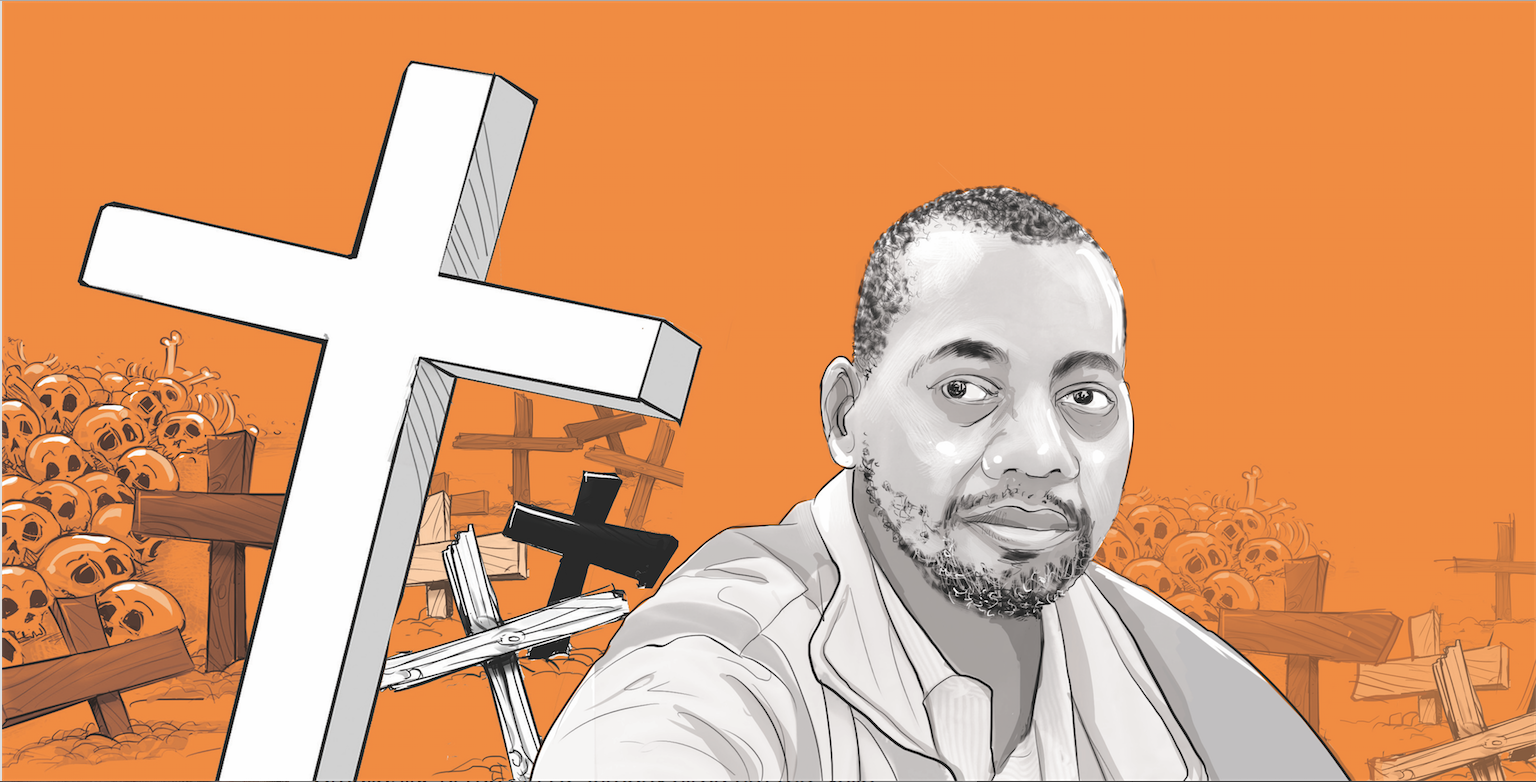
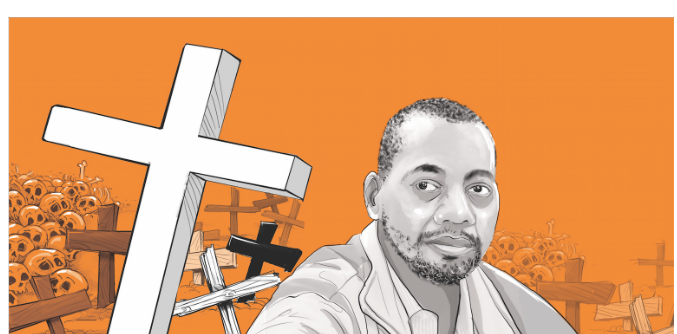
Mackenzie and 28 codefendants were convicted on Monday of causing the deaths of 190 children and one adult at Shakahola Forest in Kilif. That’s where he had transferred his base after he was arrested in 2017 over radicalisation at his Good News International Ministries.
Using threats, intimidation and brute force by his armed militia, he brainwashed his followers, who swallowed his teachings hook, line and sinker. He claimed Jesus had told him that the world would end in 2023 and that his mission was to ensure all fasted themselves to death to hasten their way to Jesus, and he would be the last to shut the doors before breathing his last.
But politicians are the unchecked Mackenzies in the political and governance space, hypnotising millions of people into focusing on mundane, divisive issues and voting against their own interests. This is a worldwide phenomenon hat has propelled populist demagogues into power, with the people’s well-being going downhill from there.
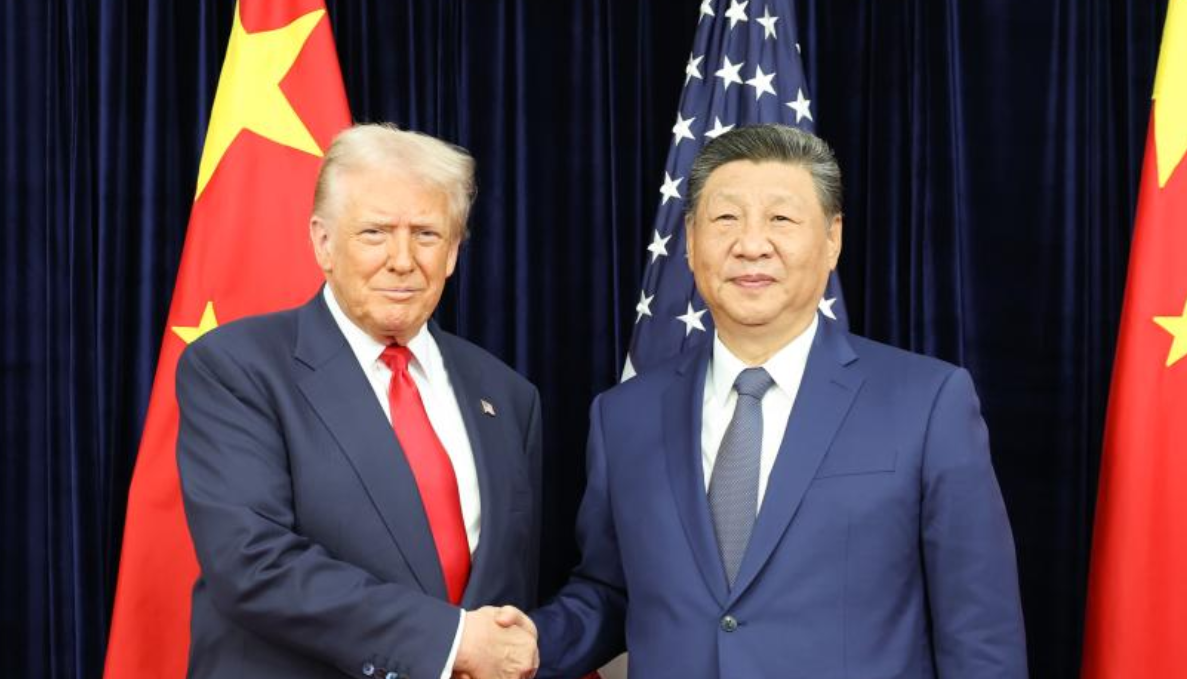
Before delving into our politics here in Kenya, a cursory look at the exploitation of religion by politicians to win power in the United States reveals that it happens on an industrial scale. The majority of religious people have traditionally voted for conservatives because, understandably, they care about family values, a stronger military, an aggressive posture on crime, deregulation to promote entrepreneurship, and the right to bear arms, among others. But in the era of Donald Trump, religious voters have mainly consisted of Catholics and evangelicals with strong devotion to their faith. This constituency has been so loyal to the President that its members have morphed largely into the renowned MAGA (Make America Great Again) crowd.
During election campaigns and his stint in the White House, Trump has done and said things that are interpreted as outlandish, at variance with the truth, and, in some cases, construed as racist. During a campaign in Iowa January 23, 2016, Trump boasted about the fierce loyalty of his base: "I could stand in the middle of Fifth Avenue and shoot somebody, and I wouldn't lose any voters, OK?" he was quoted by reputable news outlets.
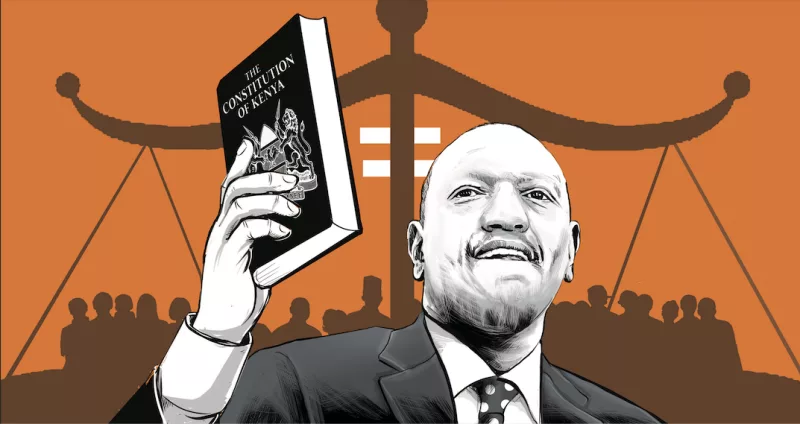
This is what we’re about to experience (again) during the forthcoming 2027 election campaigns. As long as someone brandishes the religion card, wields his hard-copy Bible, and quotes some verses here and there, we easily believe them, and questions or doubt are highly discouraged. The approach is to ensure that no sense or logical argument is fostered, but rather an emotional pitch and guilt-tripping are promoted. Comments “sisi tuko na Mungu,” “Kwa Imani tutabadilisha Kenya,” and “ni maombi, si uchawi,” among countless others, are getting dusted off to make a comeback on the airwaves. President William Ruto made his religiosity a key campaign plank in 2022, attending church events, especially fundraisers, virtually every weekend and announcing hefty donations. Knowing that most churches in the country are always on an infrastructure-building spree but short of cash, and finding a politician with a religious history like the President, with the seemingly bottomless depth of his pockets, the people of faith fell in line. “This would be our administration,” top men of the cloth would say in rallying their members behind Ruto. But whether Ruto has delivered on all his political promises is a subject of emotive debate. As for Trump, he has certainly failed to deliver on some promises, including the vow never to return to forever wars, the vow to keep the economy stable and the vow to keep the cost of gasoline low.
As a person of faith myself, I’m not disavowing the invocation of religious belief systems in dealing with public discourse. I’m highlighting the fact that religious folks are vulnerable to manipulation by populist politicians seeking to sway their votes. A smart candidate would chew gum and scale heights at the same time: engage in intellectual discourse by highlighting what they propose more than what they oppose, while also deploying resources to address the religious passions of voters.
Also closely related to religious hypnotising is the tribal arithmetic card - though many call this bias anathema to good Christians and to humanity everywhere - using divide and rule to pit one community against another. Going by what is overflowing in the media and on social media platforms, it looks to me that politicians have scored a major win. Even those who are supposed to know better and have travelled widely still openly push narratives that sustain tribal hatred. We must remind voters: don’t let someone feed you tribal garbage and hang on hollow religious piety to make you vote against your interests. Be selfish at the voting booth this time around.