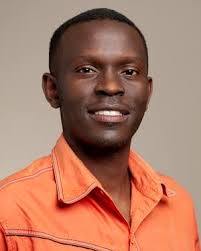
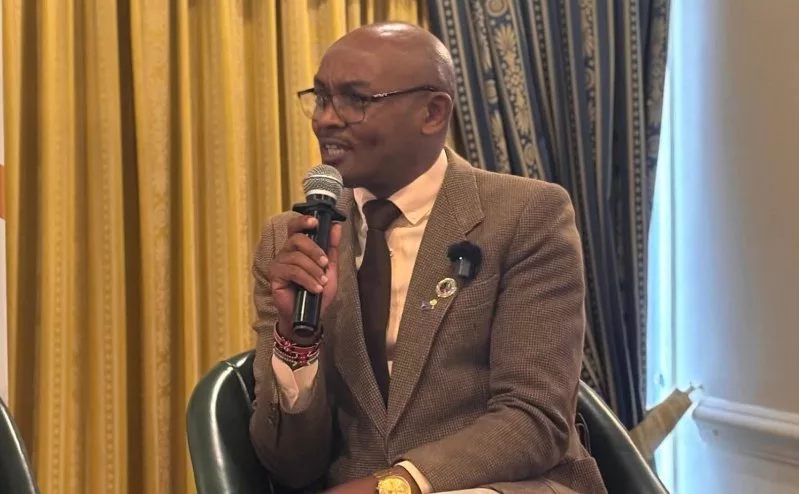
 Duncun Chengo, director at the National Council for Persons with Disabilities (NCPWD).
Media houses now face a new legal duty on disability coverage under a new law the government wants to put into practice.
The Persons with Disabilities Act compels radio and TV stations to set aside free airtime every month to educate Kenyans about disability, while print media must publish at least one disability column monthly.
The National Council for Persons with Disabilities (NCPWD) on Thursday partnered with the Kenya Editors Guild to help media houses meet these requirements, which are expected to come into force this year.
NCPWD director Duncan Chengo said the partnership would help make disability a regular part of news coverage instead of a subject that receives attention only during special events or when a major incident occurs.
“This meeting marks the beginning of a structured partnership between the council and the media fraternity,” Chengo said.
“Our objective is to move from awareness of the legal obligations to a shared understanding of how they will work in practice, from content planning and production to publication, broadcasting and coordination.”
Section 81 of the Act sets out the legal requirements for disability education through the media.
It states in subsection one that “All media houses with television and radio shall dedicate at least one-hour free airtime every month to educate the public on issues of disability.”
Subsection two states that “The Council shall co-ordinate the production of at least one column in the print media every month for purposes of subsection (1).”
The new partnership is intended to help put these requirements into practice through closer engagement between the council and editors.
Chengo said disability should be covered in the same way as other issues affecting the country, including education, health, employment, business, technology, governance and national development.
“Disability should therefore feature in reporting on governance, health, education, employment, business, technology and national development, not only during commemorative events or when a disability-related incident makes headlines. Inclusive reporting is not simply about reporting on persons with disabilities; it is about ensuring they are heard, represented and included in the stories that shape our country,” he said.
The partnership comes as Kenya seeks to strengthen the rights and inclusion of persons with disabilities.
The 2019 national census found that about 916,700 people aged five years and above had disabilities, representing 2.2 per cent of that age group.
The NCPWD is a state agency mandated to protect, promote and monitor the rights of persons with disabilities.
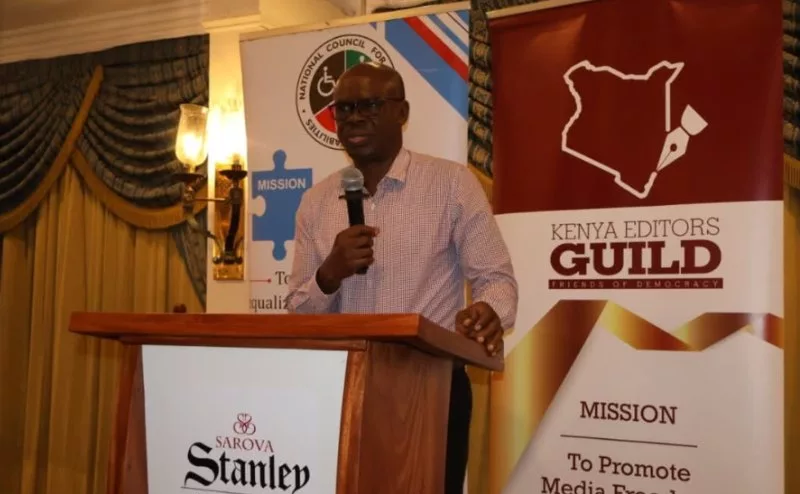 Kenya Editors Guild Vice President Francis Openda.
The Persons with Disabilities Act, 2025 provides a legal basis for addressing barriers that prevent people with disabilities from participating fully in society.
Kenya Editors Guild chief executive Linda Bach said media houses should go beyond meeting the law’s requirements and make disability part of their regular coverage.
“For far too long, disability reporting has often been confined to commemorative days, charitable initiatives and stories of personal adversity. While some of these stories are important, they do not adequately reflect the diversity, aspirations, achievements and contributions of persons with disabilities,” Bach said.
Bach challenged editors to examine whether people with disabilities are included in news stories as experts, professionals, leaders and decision-makers, instead of being portrayed only as people receiving help.
The guild’s vice president Francis Openda called for a handbook to help journalists use appropriate language when reporting about persons with disabilities.
He said the guide should promote respectful reporting and help journalists avoid words that reinforce stigma or portray disability negatively.
"We need to move disability reporting from the margins of our editorial agendas into mainstream journalism. Disability perspectives should be reflected in our coverage of governance, elections, education, employment, healthcare, technology, and economic development," he said.
He said the guild could work with the National Council for Persons with Disabilities to develop a practical guide, similar to those available for reporting on climate change and health.
“Such a handbook would give journalists clear examples of preferred terms and explain why some expressions are outdated, offensive or misleading. It would help reporters and editors produce accurate stories that respect the dignity of persons with disabilities,” he said.