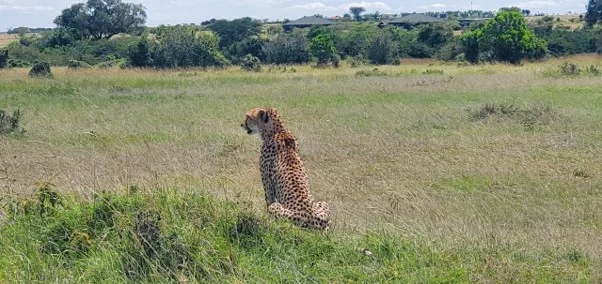
The rolling savannahs of southwestern Kenya have drawn travellers from across the globe for decades. Home to the Great Wildebeest Migration, the Maasai Mara National Reserve in Narok County is one of Africa's most celebrated wildlife destinations. Today, however, the Mara is changing fast, moving away from high-volume tourism towards a model built on high-end hospitality and conservation.
Kenya's tourism sector has seen a clear shift in what visitors want in recent years. International and domestic travellers are increasingly looking for smaller, low-impact trips that offer privacy, personal service and real engagement with local communities and ecosystems.
Tour operators and lodge owners across the ecosystem have responded by raising their standards. Eco-camps and private conservancies around the national reserve now offer a level of comfort once rare in the bush, without compromising the environment.
For travellers who want this kind of experience, operators offering luxury safari packages in the Mara arrange private wildlife viewing, dinners under the stars and game drives led by experienced Maasai guides. The growth of private conservancies, built on partnerships between tourism operators and Maasai landowners, has transformed the region.
By leasing their land for wildlife protection, community members earn a direct and guaranteed income, while animals gain wider, unbroken corridors beyond the reserve's boundaries. According to a wildlife census led by the Kenya Wildlife Service, more than 70 per cent of the ecosystem's mammals were found in the conservancies.
This combined focus on eco-luxury and habitat protection has safeguarded biodiversity and also made trips easier to plan. Whether they are coming for the migration, birdwatching or Maasai heritage, visitors can turn to resources such as masaimara.co.ke to check reserve entry rules, weather patterns and accommodation across the region.
As Kenya strengthens its position as a leading global destination, the Mara's approach to safari tourism offers lessons for the rest of the continent. Putting low-volume, high-value travel first helps ensure that one of the world's great natural wonders stays protected, and keeps supporting the communities who live alongside it.