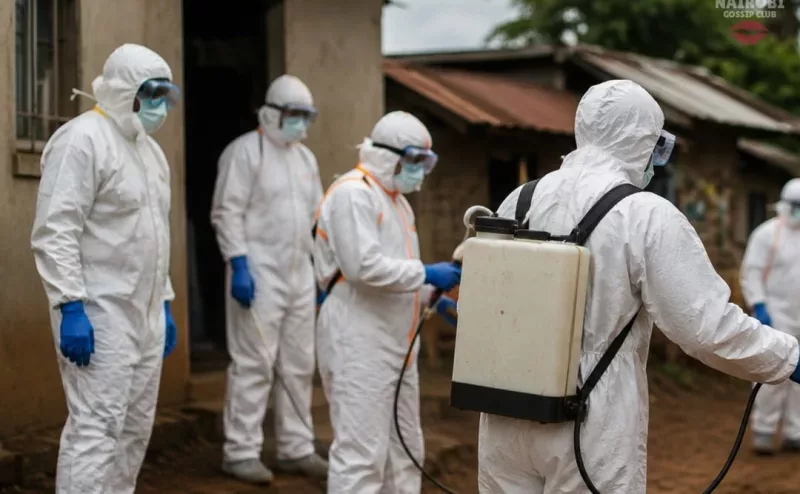
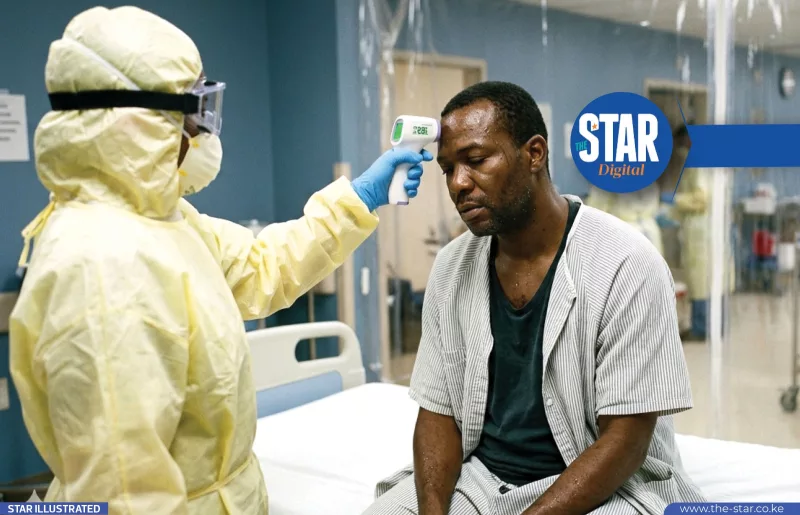
 Ebola symptoms include sudden fever, headache, muscle pain, weakness, vomiting, diarrhoea and, in some cases, unexplained bleeding
The Kenya Medical Association (KMA) has issued a public health advisory on Ebola, urging Kenyans to observe basic hygiene measures, watch for symptoms and seek medical attention early.
The association has also assured the public that gatherings remain unrestricted.
The advisory comes days after Kenya reported its first imported case of Ebola virus disease caused by the Bundibugyo strain.
The Kenyan citizen, who had lived in the Democratic Republic of Congo for seven years, arrived in Kenya through Uganda on October 3 and died on October 5.
In a statement, KMA Secretary General Dr Lyndah Kemunto reaffirmed the Ministry of Health's position that there were currently no restrictions on travel, trade, transport or public gatherings.
She said weddings, funerals, religious services, conferences, school activities and sporting events could proceed, provided organisers implemented basic hygiene measures, including temperature checks at entry points.
“Ebola does not spread through the air. It spreads through direct contact with the blood or body fluids of a person who is sick with Ebola or has died from it, or with items soiled by those fluids. A person without symptoms does not spread it,” Dr Kemunto said.
The association urged Kenyans to follow official Ministry of Health updates, noting that the guidance could change depending on the public health situation.
Symptoms of Ebola include sudden fever, headache, muscle pain, weakness, vomiting, diarrhoea and, in some cases, unexplained bleeding.
"Because these resemble malaria and typhoid, only a medical assessment and laboratory test can confirm Ebola," Dr Kemunto said.
To reduce the risk of infection, the association advised organisers of public events to provide handwashing facilities or sanitiser, conduct temperature checks and designate a person to respond to suspected illnesses and liaise with the nearest health facility.
Members of the public were urged to wash their hands frequently, stay at home when unwell, avoid contact with the body fluids of sick people and refrain from sharing personal items such as towels, cups and utensils.
KMA also issued precautions for funerals, warning against touching, washing or preparing the body of anyone who dies following a sudden illness accompanied by fever or bleeding.
Instead, the public should contact the nearest health facility so authorities can arrange a safe and dignified burial.
"If you have travelled from an affected area, have been identified as a contact, or have been near a suspected case, and you develop symptoms, avoid gatherings," Dr Kemunto advised.
The association advised people experiencing symptoms to avoid self-medication and urged them to call the Ministry of Health toll-free line at 719 or dial *719# and disclose their travel history to health workers.
It also cautioned against stigmatising travellers, health workers and people who had undergone testing, saying fear and discrimination could discourage people from reporting symptoms and increase the risk of transmission.
KMA said the rapid detection of Kenya's first imported case and the tracing of contacts demonstrated that the country's public health systems were responding to the threat.
The association urged the public to share only verified information as health authorities continue monitoring the situation.