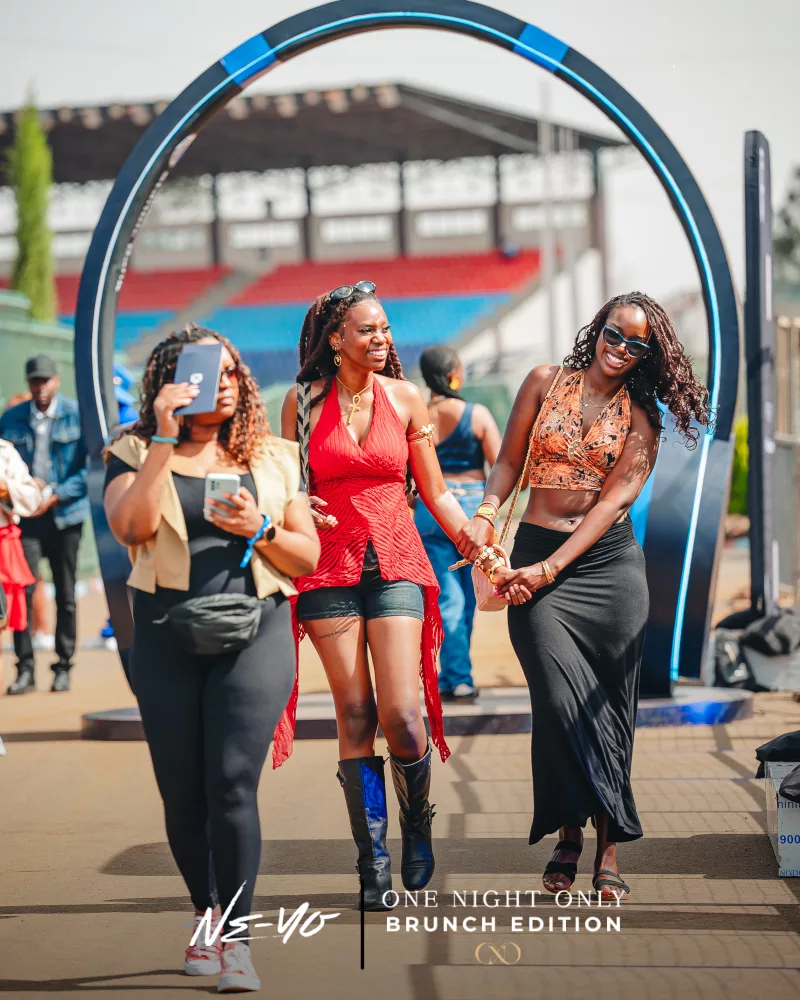
MERCY Mwikali has spent the past three months saving for a date with her musical past.
The 29-year-old R&B enthusiast wants to attend the One Night Only event in Nairobi on Mashujaa Day, where American singer Ne-Yo is expected to headline.
For Mwikali, the concert is more than a chance to see an international superstar perform.
It is a chance to relive the music that shaped her childhood and teenage years in Nairobi.
She sings along to 'So Sick, Because of You' and 'Closer', recalling the memories attached to the songs.
The melodies transport her to a time when R&B dominated radio playlists, television and social gatherings among young Kenyans.
When she discusses the music with her friends, the conversation quickly becomes a spirited defence of their generation.
They believe millennials enjoyed better music than today's generation. They recall the changing sounds, fashion and nightlife that defined their formative years before arriving at a conclusion that is increasingly becoming a business opportunity for entertainment promoters.
They would rather spend Sh15,000 on a ticket to experience their favourite musicians live than spend the same amount in an ordinary nightclub.
That willingness to pay for a carefully curated experience is reshaping Nairobi's entertainment industry, where memories of the past are becoming a valuable commercial asset.
From throwback brunches and reunions featuring veteran Kenyan musicians to international concerts headlined by artists who dominated the charts in the 2000s, nostalgia is giving promoters another way to attract audiences facing shrinking disposable incomes and an abundance of entertainment choices.
The trend is also unfolding as Kenya's wider entertainment and media industry expands, driven by digital advertising, streaming and changing consumer habits.
According to PwC's Africa Entertainment and Media Outlook 2025–2029, Kenya's entertainment and media market is projected to grow at an annual compound rate of 5.2 per cent to reach $5.2 billion (Sh660 billion) by 2029.
The report puts Kenya's live music ticket revenue at $1 million (Sh130 million) in 2024. The figure surpassed pre-pandemic levels, with ticket revenue projected to grow by 2.1 per cent annually through 2029.
Nigeria's live music ticket market recorded the same $1 million in 2024 but has a lower projected annual growth rate of 1.8 per cent.
South Africa remains substantially larger, generating $76 million (Sh9.8 billion) in live music ticket revenue in 2024 and projecting annual growth of 5.9 per cent.
“The figures suggest that Kenya's live music market is recovering, although its projected growth remains modest compared with the country's broader entertainment and media industry.”
According to the report, the opportunity lies not simply in selling more tickets but in understanding what audiences want, how much they can afford and what will persuade them to leave their homes for a live experience.
It identifies digital platforms, social media and streaming as important forces reshaping entertainment consumption across the region. It is also changing how Kenyan promoters market events, sell tickets and maintain relationships with audiences before and after performances.
Michael Mugasa, PwC Kenya's entertainment and media specialist, says the wider industry is being transformed by the convergence of technology and consumer demand.
The firm's outlook highlights the importance of mobile-first consumption and digital monetisation in Kenya's expanding media market.
Concerts are increasingly promoted through social media, while digital ticketing and mobile payments make it easier for organisers to reach audiences beyond traditional advertising channels.
“A concert now begins long before the performer steps onto the stage. Its commercial life extends through online conversations, promotional videos, ticket purchases and the content audiences share after the event.”
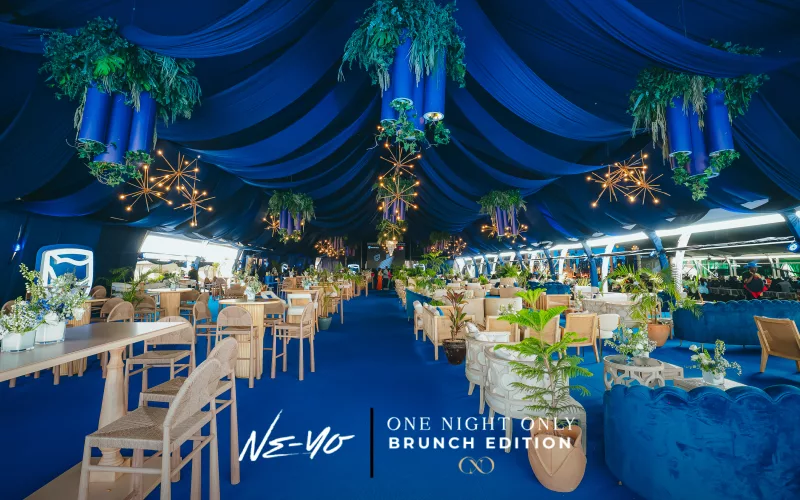
Organisers of the Stanbic Bank-backed One Night Only concert series say that the appeal of established performers offers an opportunity to build events around audiences with a shared musical history.
The series has brought international and regional performers, including jazz musician Kenny G and Congolese star Fally Ipupa, alongside established African acts such as Nyashinski, Bien, Tiwa Savage and Ali Kiba.
Curators say audience feedback has been encouraging. More than 93 per cent of attendees reportedly rated the previous year's experience as good or excellent, while 81 per cent said they would return for a similar event.
Such figures, if sustained across future editions, could help organisers build repeat attendance rather than depend entirely on the novelty of individual performers.
The concept targets an audience largely in its late 20s, 30s and 40s. Many grew up listening to R&B, smooth jazz, hip-hop and African urban music before streaming services and social media transformed how music was discovered.
“A familiar song can recall school days, university friendships, first relationships or nights spent dancing with friends. The event offers an opportunity to reconnect with those experiences while enjoying them in a different stage of life.”
Those emotional connections are becoming increasingly valuable as entertainment businesses compete for attention in a crowded market.
Marketing specialist Benjamin Muthee argues that nostalgia can help brands establish an immediate emotional connection with consumers.
In an environment saturated with digital content, automated advertising and algorithm-driven recommendations, he says, familiar cultural references can help businesses stand out by offering a sense of identity, continuity and comfort.
Research supports the underlying argument.
A 2016 study published in Management Decision, titled 'Nostalgic Marketing, Perceived Self-Continuity, and Consumer Decisions', found that advertisements focused on the past generated stronger feelings of personal continuity and more favourable brand attitudes, which were associated with greater purchase intention.
Another study published in the Journal of Promotion Management in 2020 tested nostalgia-themed advertising using 575 responses. It found positive effects on brand attitudes and purchase intentions among consumers with strong attachment to the brand's past.
The renewed interest in old-school music is creating fresh opportunities for Kenyan musicians whose careers were built during the rise of Genge, Kapuka, R&B and urban hip-hop in the late 1990s and 2000s.
Names such as Mr Lenny, Ukoo Flani Mau Mau, Jua Cali, Nameless, Sanaipei Tande and DJ Pinye are returning to event posters, festival stages and commercial campaigns.
“The revival offers a chance to reconnect with established fans. It also provides an opportunity to introduce their music to younger listeners who may know their songs through streaming platforms or family playlists rather than their original radio releases,’’ says Milton Esabwa, a music producer and manager.
Mr Lenny, whose musical career began in 1998, is among those seeking to reclaim a place in the mainstream.
Last month, he released a 20-track album, Hisia Zangu, following years away from the industry's spotlight.
"There was a time I had decided to stop music, but three years ago... we have to bounce back," he says, describing his return against a backdrop of renewed interest in veteran performers.
The reception of established musicians has helped reinforce the commercial case for their return.
Artists including Nameless and Jua Cali have marked major career milestones, attracting audiences keen to celebrate the music associated with their formative years.
The revival is not confined to Kenya. International performers such as Usher, Sean Paul and Chris Brown have continued to draw audiences through concerts and tours built around established hits, demonstrating the enduring appeal of familiar music.
Event organiser and club owner Bob Onyona estimates that established veteran performers and DJs can command between Sh40,000 and Sh200,000 per night, depending on their profile and the nature of the engagement.
Mr Lenny says he earns at least Sh100,000 per event, with expectations of higher earnings during peak periods.
The resurgence of old-school music is taking place against a profound transformation in Nairobi's nightlife.
Gabriel Karanja remembers a city where clubs such as Tribeka, Mojos, Betty's and Florida 2000 were familiar destinations for revellers seeking music and late-night entertainment.
Many of those establishments have since closed, changed identity or disappeared as commercial premises were redeveloped.
The decline of the Central Business District's nightlife was already visible before the Covid-19 pandemic.
A spot check in Nairobi CBD reveals the closure of several established venues and the conversion of former nightlife spaces into restaurants, banking halls and other businesses.
Kimathi Street and its surrounding area, once home to about 12 nightclubs, has experienced a gradual retreat of nightlife venues as restaurants and coffee shops moved in.
Curfews and restrictions on entertainment businesses deprived venues of revenue, while some operators struggled to recover when restrictions eased.
High rents, parking difficulties, security concerns, changing consumer preferences and competition from entertainment spots closer to residential neighbourhoods have added pressure on the traditional CBD club model.
Even so, Nairobi's nightlife did not simply disappear. Much of it migrated.
Westlands, Kilimani, Ngong Road and residential areas along major highways have attracted establishments catering to customers who prefer to socialise closer to home.
The shift has also created tension between entertainment operators and residents over noise, licensing and late-night activity.
In November 2023, Nairobi county announced progress on a draft policy for zoning nightclubs, including proposals addressing land use, traffic, noise management and buffer zones around sensitive institutions.
The county also discussed incentives to encourage entertainment businesses to return to the CBD.
Dickson Matata of Crispy Life Events believes the industry must adapt to these changing preferences rather than rely on established formats.
"For years, nightlife largely sold escape. Leave the office, enter the darkness, turn the volume up and forget the week. Nairobi's emerging daytime social economy is selling something slightly different," he says.
Daytime events offer an alternative to conventional clubbing, combining music, food, social interaction and carefully selected venues in an environment that can appeal to working professionals and older millennials.
Matata's events, including Rhythm & Brunch and Millennials Cookout, draw on the tastes and social habits of a generation that grew up with Kenyan urban music and international R&B.
But he recognises the danger of relying too heavily on one demographic.
Audience fatigue can undermine even a successful event if organisers repeatedly offer the same experience without adapting to changing expectations.
His firm has responded by developing Peaches & Cream, an event aimed at Gen Z and younger millennials. Its musical identity leans towards Afro-R&B and Afro-pop before shifting into Afro-house.
The strategy is to preserve the emphasis on carefully curated music while changing the format and sound to suit a different audience.
BlinQ Events chief executive Tonnin Okoth similarly argues that entertainment businesses must keep pace with technology, changing lifestyles and clearly defined audience demographics.
"Revellers are looking for unique brands that are cut out for amazing events. Nightclubs are digitising and upgrading every single day as premium entertainment spots," he says.
His argument reflects a wider shift toward event brands with a recognisable identity, rather than relying solely on the venue or performer.
“A brunch, concert or themed party must give customers a reason to choose it over the many alternatives competing for their time and money.”