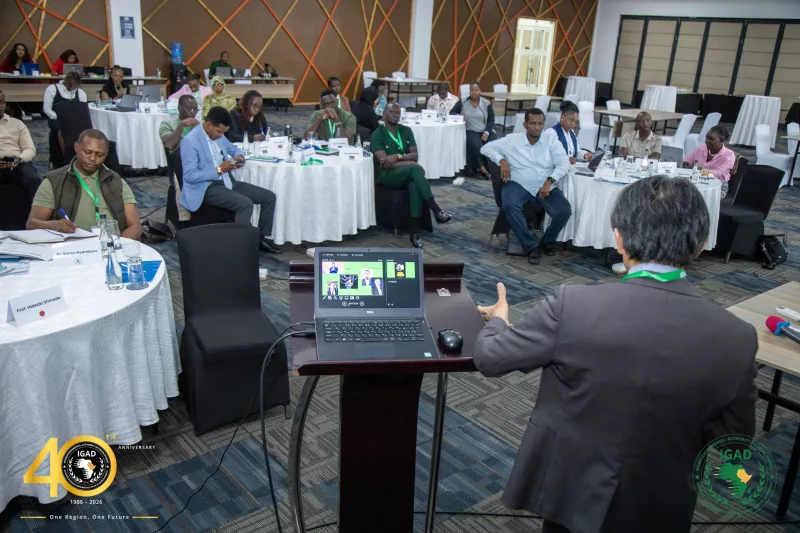
The IGAD Leadership Academy has trained journalists from across the region on digital verification and responsible reporting as concerns grow over the spread of misinformation during democratic processes.
The three-day regional workshop in Machakos from October 6 to 8, brought together journalists from mainstream and digital media outlets from Kenya, South Sudan and Somalia, which are expected to hold elections this year and 2027.
The training was facilitated by Intergovernmental Authority on Development in partnership with the Government of Japan.
The training focused on strengthening the capacity of journalists, fact-checkers and digital media practitioners to promote information integrity and provide accurate reporting during elections and other democratic processes.
The workshop comes as Kenya prepares for the August 10, 2027 General Election, when the spread of misleading information online is likely to remain a key challenge for journalists and voters.
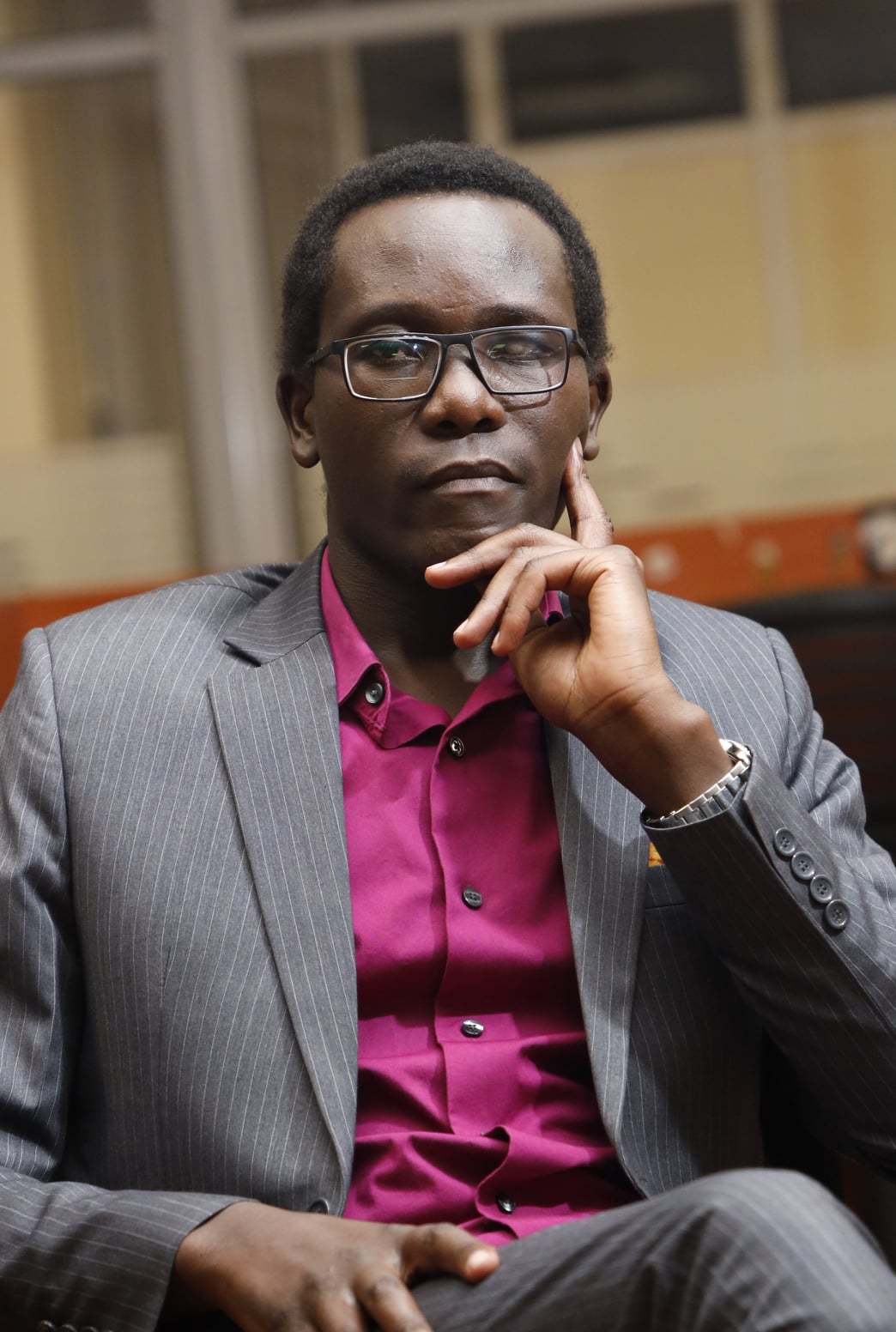
Opening the workshop on behalf of IGAD Executive Secretary Dr Workneh Gebeyehu, IGAD Leadership Academy Director Dr Simon Nyambura described the media as the heartbeat of a healthy democracy.
Nyambura underscored the role of journalists in promoting informed public discourse amid a changing information landscape and the growing spread of misinformation.
Noriko Kobayashi of the Embassy of Japan in Kenya said the workshop was timely, noting that technology had transformed the media landscape and created a need to strengthen the media's role in supporting democracy.
The workshop examined the challenges posed by misinformation, disinformation, artificial intelligence-generated content and coordinated online influence campaigns.
Participants were taken through international principles and norms governing democratic and electoral processes, the role of the media in public accountability and informed civic participation, and emerging threats to information integrity.
The training also included practical exercises in digital verification and open-source intelligence, techniques used to establish the authenticity of information, images and other digital content.
Other sessions focused on strategic reporting, digital storytelling, public dialogue and conflict-sensitive journalism.
Participants discussed media ethics, trust and accountability, including how journalists can maintain credibility in an information environment increasingly shaped by digital platforms.
On the second and third days, the journalists worked in country-specific groups to develop publishable stories addressing public-interest issues in their respective countries.
The projects examined misinformation and explored how reporting could promote informed public participation. The stories are expected to be published across various media platforms.
Participants committed to applying the skills acquired during the workshop to strengthen responsible journalism and information integrity in their respective countries.
The academy said the workshop was intended to improve journalists' ability to report accurately, ethically and responsibly during democratic processes while encouraging the exchange of experiences and good practices among media practitioners in the IGAD region.
The initiative also sought to strengthen professional networks among journalists, fact-checkers and digital media practitioners facing similar challenges in their respective countries.
The IGAD Leadership Academy was established to develop leadership skills and promote democracy, accountable leadership and regional integration. It was approved by the IGAD Heads of State and Government Summit in July 2022.
The regional body has identified credible information and informed public participation as important elements of democratic processes, particularly as digital platforms continue to change how information is produced and shared.