President William Ruto has raised concern over the movement of Kenyan hides to West Africa, saying large quantities are being smuggled out of the country for consumption.
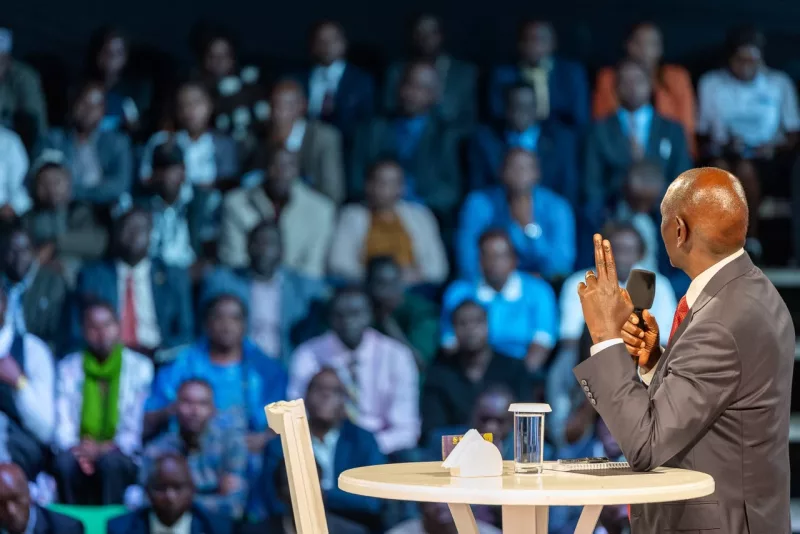
Speaking during the Agriculture and Food Security Presidential Town Hall at Jamhuri Park in Nairobi on Thursday, Ruto said Kenya needed to tighten controls on hides and skins while investing more in their management and processing.
“Matatizo tuko nayo ni kwanza hii ngozi nyingi inapitishwa njia ya kichochoro inaenda huko West Africa kwa sababu kuna watu wanakula ngozi huko,” Ruto said.
Translated, he said: “The problem we have is, first, a lot of these hides are being smuggled through unofficial routes to West Africa because there are people there who eat hides.”
He said the government also needed to reduce the export of unprocessed hides and skins and promote greater value addition locally.
“We need to invest more in the management of hides and skin and we need to close on the exports of unprocessed products and also to limit the numbers of skins and hides that are being sold in West Africa for people to go and eat,” he said.
Ruto said the movement of hides through unofficial routes was among the challenges facing Kenya’s leather industry, as the country seeks to retain more value from livestock products.
The President has been pushing for increased local processing of agricultural raw materials as part of efforts to create jobs, expand manufacturing and improve returns to farmers.
His remarks came as he engaged farmers and other agricultural stakeholders during the summit, which focused on food security, production, value addition and the challenges facing the sector.
Ruto said Kenya will stop importing shoes within the next two to three years as the country expands local leather manufacturing.
Ruto said the government was working to increase the use of Kenyan leather by local manufacturers and reduce reliance on imported leather products.
"I want to assure you that in a very short time — I don't want to give you a time frame — but in the next two to three years, we will not be importing shoes from anywhere. We will be making shoes and all these leather products," Ruto said.
He said the government was waiting for local manufacturers to improve the quality of their products as the country seeks to expand domestic production.