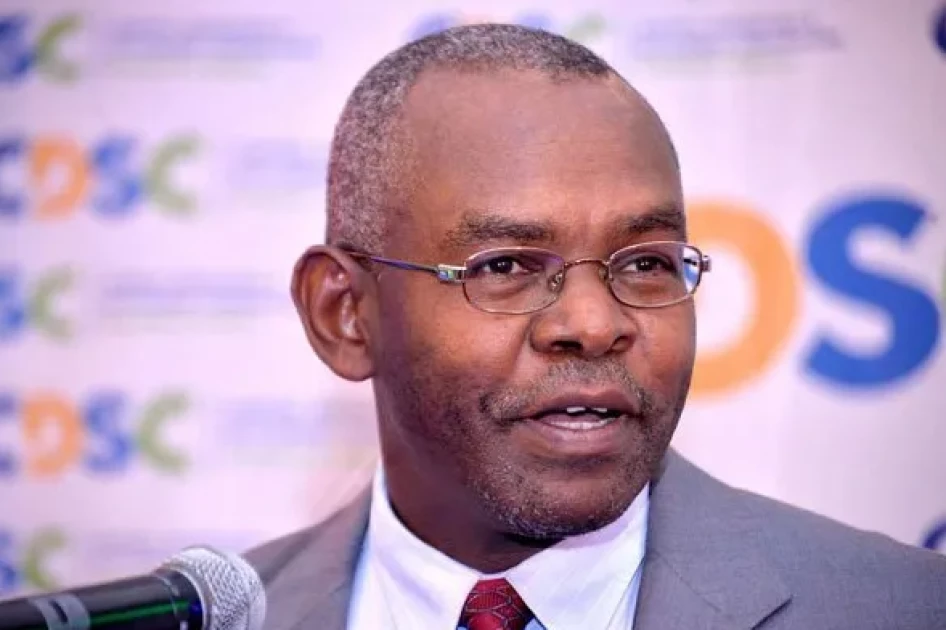
 CBK Governor Kamau Thugge. /FILE
Kenya’s economic growth projection for 2026 has been revised upwards to 5 per cent from the earlier estimate of 4.9 per cent, with stronger performance expected from the industry and services sectors.
The Monetary Policy Committee (MPC), chaired by Central Bank of Kenya Governor Kamau Thugge, raised the projection after reviewing developments in the economy during its October 7 meeting.
The revised forecast compares with growth of 4.6 per cent recorded in 2025, while the 2027 projection has been retained at 5.3 per cent.
The MPC said the improved outlook was supported by sustained optimism about business activity and economic prospects over the next 12 months.
The optimism, it said, was underpinned by continued macroeconomic stability, increased government infrastructure spending, digital innovations and improved private sector credit growth amid concerns over the Middle East crisis.
“This outlook is subject to risks, particularly prolonged geopolitical tensions and elevated trade policy uncertainties, as well as the potential severe impact of the El Niño weather phenomenon,” Thugge said.
The MPC noted that there is need to continue monitoring the evolution of global oil prices and any second-round effects on inflation, and stands ready to take further action as necessary.
The committee noted that Kenya’s overall inflation remained within the target range in September, although it increased to 6.8 per cent from 6.6 per cent in August.
Core inflation also rose to 4 per cent from 3.4 per cent, mainly because of higher prices of processed food items including milk, wheat products and edible oils.
However, non-core inflation eased to 14 per cent from 14.7 per cent, largely due to lower vegetable and energy price inflation.
On retention of the Central Bank Rate at 8.75 per cent, the MPC said the monetary policy stance remained appropriate to keep inflation expectations anchored within the target range and support exchange-rate stability.
Private-sector credit growth rose to 10.6 per cent in September from 10.3 per cent in August, reflecting stronger demand for credit across key sectors including trade, construction, agriculture, finance and insurance.
The committee will meet again in December 2026.