Médecins Sans Frontières (MSF) has intensified its support for Kenya’s Ebola preparedness efforts following confirmation of the country’s first Ebola case and the subsequent death of the patient in Nairobi.
MSF, in a statement on Wednesday, said it is closely monitoring the situation in coordination with the Ministry of Health and other response agencies, while supporting preparedness activities in several parts of the country.
The organisation has been involved in Kenya’s Ebola preparedness efforts since the beginning of the regional outbreak in the Democratic Republic of Congo (DRC) and Uganda.
In June 2026, MSF opened an Ebola simulation and training centre in Kajiado county to strengthen the capacity of health workers and emergency response teams.
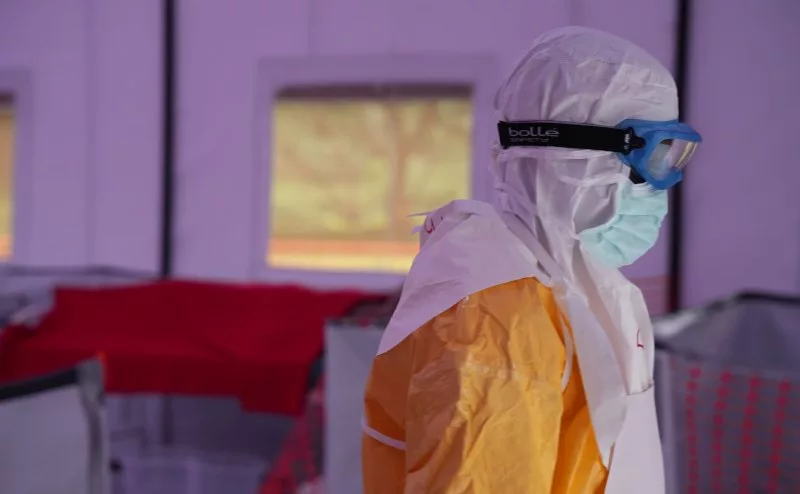
The facility replicates an Ebola treatment centre and provides practical training on the safe use of personal protective equipment, infection prevention and control measures, and emergency response procedures.
MSF said 355 professionals have so far been trained at the facility, including 84 Kenyan healthcare workers.
The centre has also supported training for MSF staff preparing for deployments to the DRC, Ministry of Health personnel, local healthcare workers and partner organisations.
In July, the Mombasa County Department of Health, with support from MSF, established another Ebola training centre at Port Reitz Sub-County Hospital to strengthen preparedness in the event of an outbreak.
In Busia county, along the Kenya-Uganda border, MSF teams have also been supporting Ministry of Health personnel with preparedness measures, including the isolation and management of suspected Ebola cases and the implementation of infection prevention and control measures.
MSF said its experience responding to Ebola outbreaks, including its ongoing work in the DRC, has informed its preparedness efforts in Kenya.
According to the organisation, more than 8,200 people have been infected and 4,000 have died in the DRC outbreak.
Beyond clinical care, MSF said its response includes infection prevention and control and community engagement, which it considers critical to containing outbreaks.
The organisation said experience from previous Ebola responses has shown that engaging communities and providing information through trusted sources are essential to addressing fear and misinformation.
“Strong community engagement and trusted sources of information are essential to addressing fear and misinformation, building trust, and enabling an effective public health response,” MSF said.
The organisation said it will continue working with the Ministry of Health and other partners as Kenya responds to the confirmed case and strengthens measures to prevent further transmission.