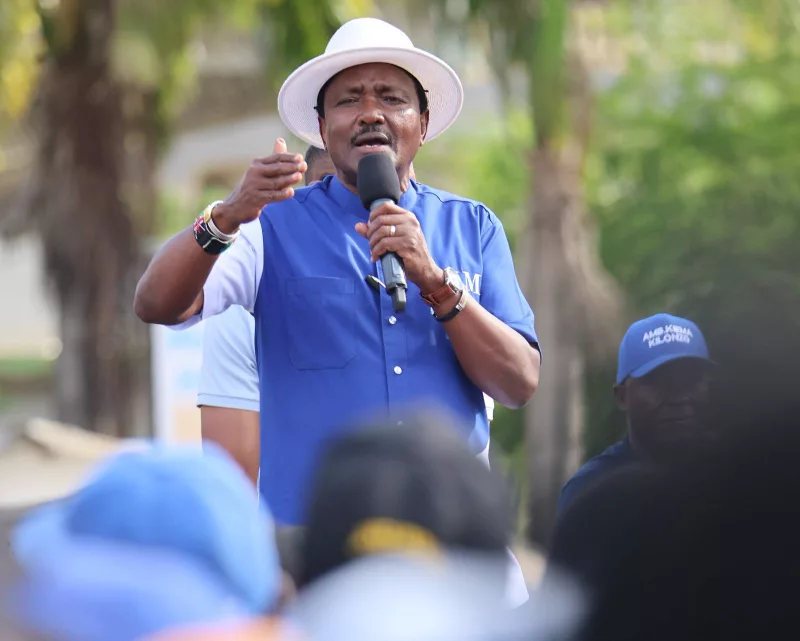
A meeting between former Deputy President Rigathi Gachagua and Nairobi Senator Edwin Sifuna on Tuesday has raised fresh questions about whether Wiper Patriotic Front (WPF) leader Kalonzo Musyoka is charting his own political path ahead of the 2027 General Election.
Gachagua, the leader of the Democracy for the Citizens Party (DCP), met Sifuna at his Wamunyoro residence in Nyeri County, just hours after returning to Kenya following an almost two-month tour of the United States of America (USA).
Gachagua left the country on August 26.
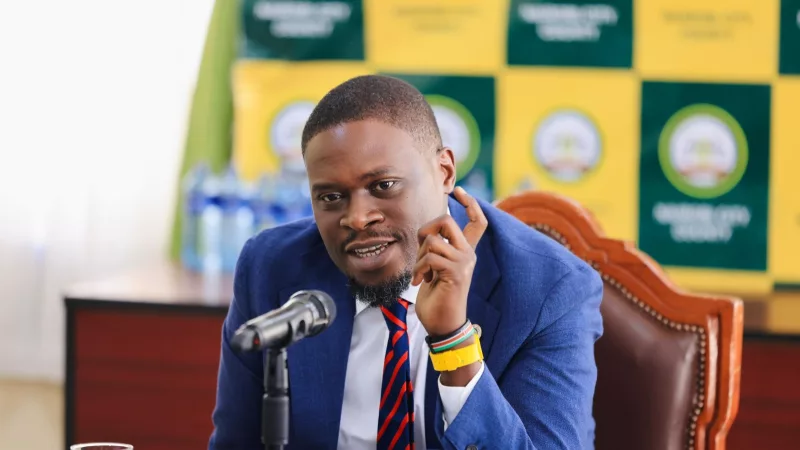
Sifuna, who leads The Equitable Party (TEP) and is associated with the emerging Linda Mwananchi Movement, has been at the centre of political discussions surrounding the movement’s future direction.
The meeting has fuelled speculation about a possible Gachagua-Sifuna alliance, with some of Gachagua’s allies hinting at closer cooperation between the two leaders.
However, any emerging arrangement could raise questions about Kalonzo’s position, given his close political ties with Gachagua since the former Deputy President’s impeachment in 2024.
At one point, their relationship sparked speculation that Gachagua had endorsed Kalonzo as the Opposition’s presidential flagbearer for 2027.
Gachagua later denied the claims.
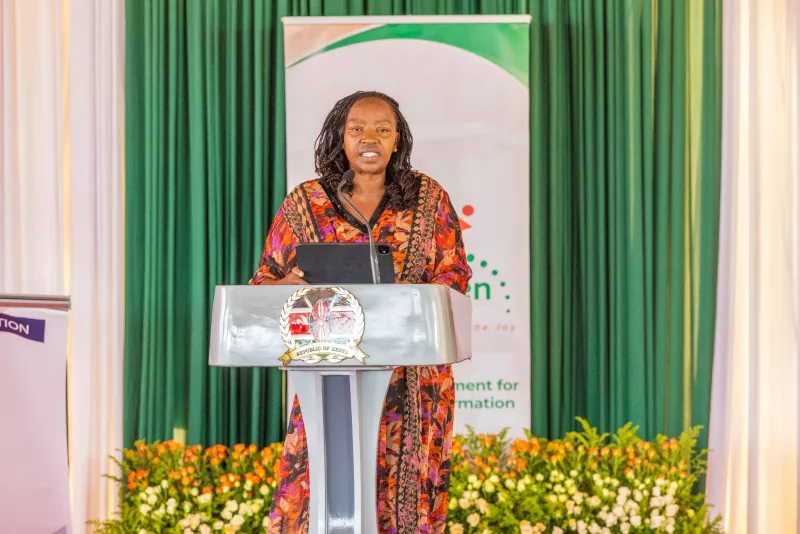
Kalonzo’s position has also come under scrutiny as other Opposition figures, including People’s Liberation Party (PLP) leader Martha Karua, People’s Party of Kenya (PPK) leader Ndindi Nyoro and Jubilee Party presidential hopeful Fred Matiang’i, continue engaging in political activities and consultations.
Nyoro and Matiang’i have held joint rallies, including engagements in Kajiado County, as Opposition leaders explore possible cooperation ahead of the elections.
On Wednesday, the three leaders were expected to hold joint rallies in Nakuru, although the extent of their coordination and its implications for the wider Opposition remain unclear.
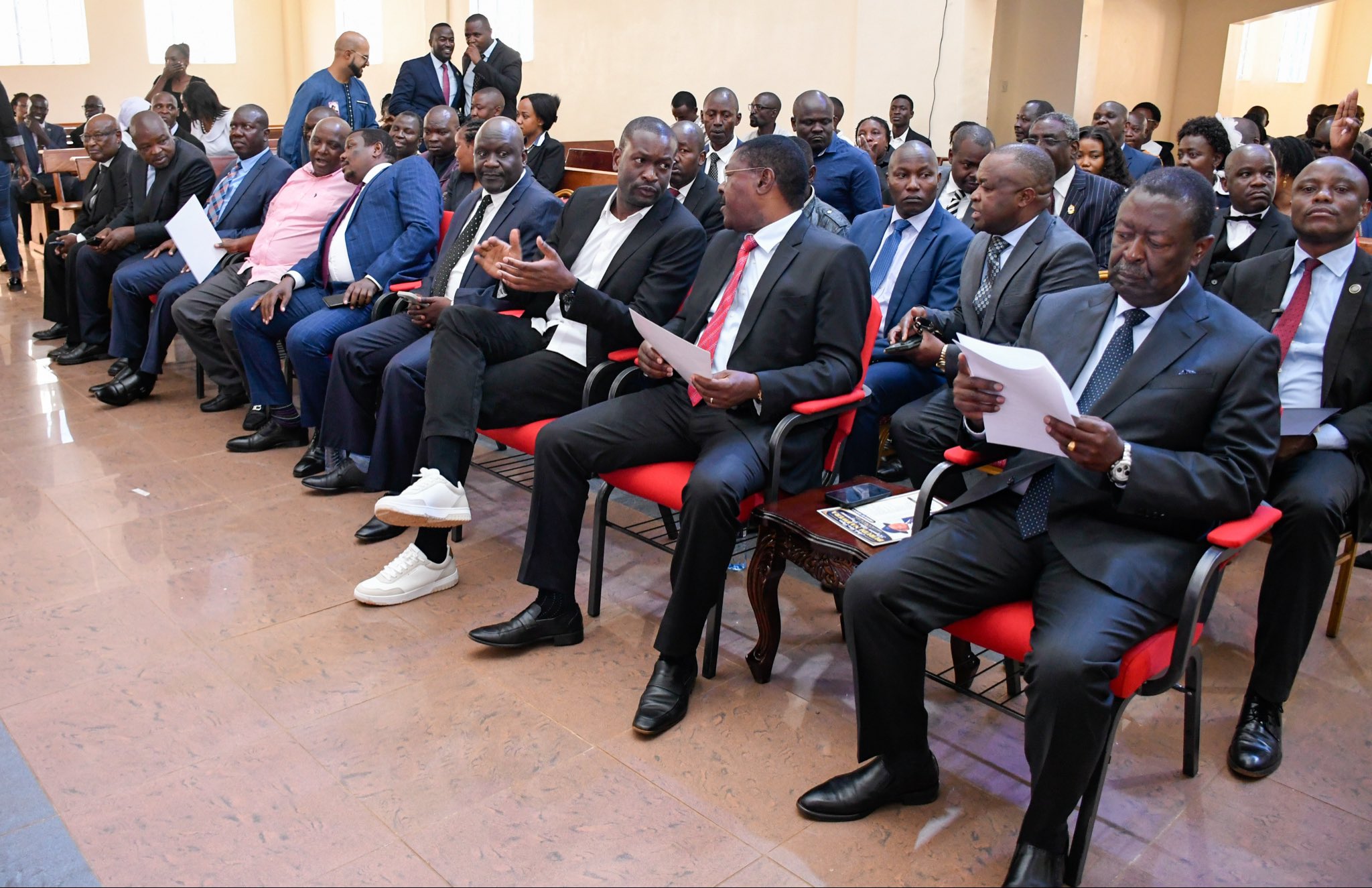
Questions about Kalonzo’s political direction have also followed his meeting with Parliamentary Service Commission commissioner Johnson Muthama, a close ally of President William Ruto.
On October 6, Muthama confirmed holding talks with Kalonzo, clarifying that the meeting had taken place on Thursday evening, October 1, amid speculation about its significance.
In a statement issued on October 2, Muthama described Kalonzo as his “brother and longtime political friend” and said their discussions covered national issues, including matters affecting the lives and well-being of Kenyans.
“After a lot of exaggerated stories, I would like to clarify that yesterday evening, I had a consultation with my brother and longtime political friend Wiper Democratic Front leader @skmusyoka, on a range of national issues, including matters that touch on the lives and well-being of our people,” Muthama said.
He added that the meeting had provided an opportunity for the two leaders to exchange views, reflect on the national situation and consider the way forward on issues of importance to the country.
“Our conversation provided an opportunity to exchange views, reflect on the current national situation, and consider the way forward on issues of importance to our nation and our people,” he said.
Muthama did not disclose any specific political agreement or indicate that the consultations had resulted in a new alliance.
The meeting nevertheless attracted attention because of Muthama’s longstanding political relationship with Kalonzo and his association with Ruto’s administration.
Kalonzo has previously dismissed suggestions that his political loyalty could be secured through a deal with the President.
In July, he responded to claims that senior officials were pursuing him for a possible political pact with Ruto by declaring:
“If I'll be the last man to drive Ruto out, I will. My loyalty to the people of Kenya cannot be bought... Why are proponents acting in panic mode over my next course of action?”
His remarks appeared to reinforce his opposition to Ruto, although they did not resolve questions about the coalition arrangements he might pursue in the run-up to the 2027 elections.
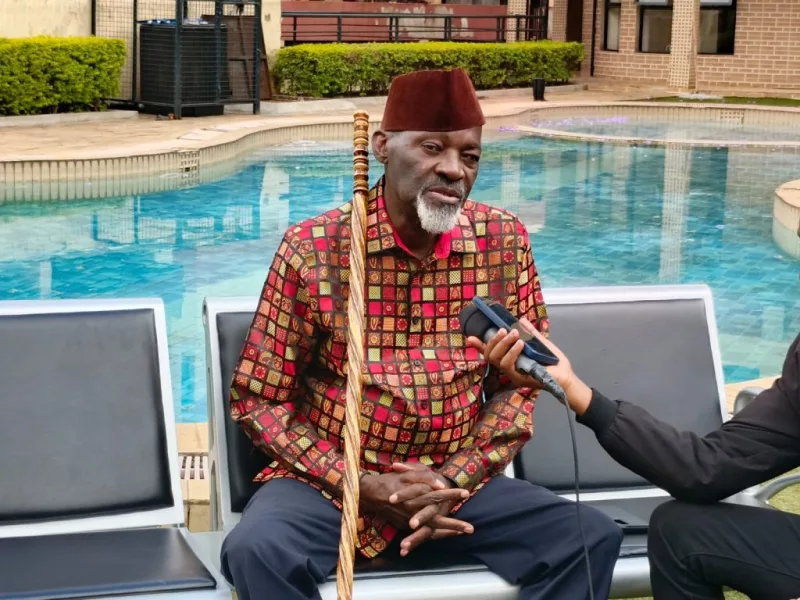
Political analyst Herman Manyora has cautioned against dismissing the significance of the Kalonzo-Muthama meeting, citing Muthama’s political influence, business interests and longstanding relationship with the Wiper leader.
“For starters, Muthama is not just another Kenyan politician. Coming from Kalonzo’s backyard, Ukambani, and with his vast business interests and with a financial war chest, Muthama has over the years built a name for himself within the broader Kenyan political ecosystem. He has a history where Kalonzo has made consequential decisions,” Manyora said.
His remarks point to the significance of personal relationships and political consultations in shaping alliances, particularly as leaders position themselves ahead of the next General Election.
Meanwhile, Kalonzo faces the challenge of maintaining his place within the broader Opposition coalition as other leaders explore new partnerships and possible presidential arrangements.
The Gachagua-Sifuna meeting has added another dimension to those calculations, particularly given Gachagua’s close relationship with Kalonzo since his impeachment.
However, the meeting alone does not establish that Gachagua has abandoned his political association with Kalonzo or committed to a new alliance with Sifuna.
US-based Kenyan scholar and political analyst Prof David Monda said the Opposition’s political configuration remained fluid until its leaders settled on a joint presidential candidate.
“Until the Opposition leaders announce their joint presidential candidate, anything can happen along the way. Political dynamics in Kenya are very unpredictable,” Monda said.
With the 2027 elections approaching, the Opposition’s eventual presidential line-up and coalition structure remain unresolved.