In April, a woman due back at my clinic for her biopsy results did not come. She arrived two weeks later and apologised. The fare from her village had gone up overnight, and she had needed time to raise the difference.
That month, matatu operators raised fares by 25 per cent after a sharp rise in pump prices. A surgeon learns that the price of diesel reaches the clinic and the operating list. That is why I am writing about refineries.
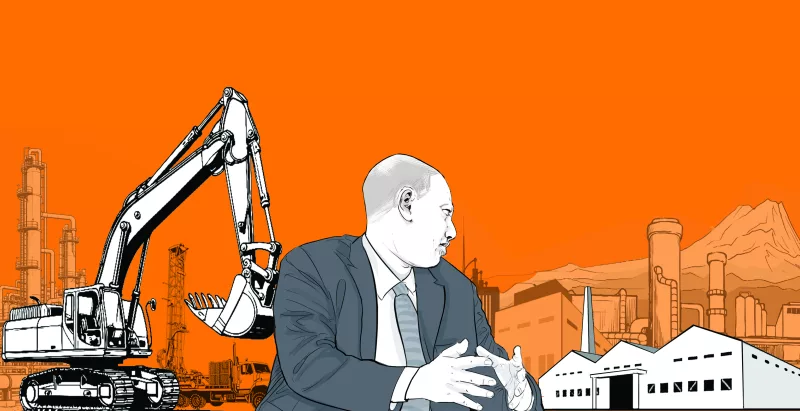
At Changamwe, behind a fence near the port, stand the tanks of Kenya's only refinery. For 50 years they held crude oil waiting to become petrol, diesel and cooking gas. Today they hold fuel that someone else refined.
Until September 2013, that plant supplied about 40 per cent of the petroleum products this country used. A generation has grown up not knowing we once refined our own.
Last week, President William Ruto and Aliko Dangote broke ground on a new refinery in Lamu, designed to process 700,000 barrels of crude a day. It deserves a serious hearing, and it deserves a memory.
To be clear, a refinery in Lamu will not make Kenya immune to world oil prices, because crude is bought on the same world market. What it can reduce is our dependence on fuel refined, shipped, and priced elsewhere.
A refinery does not exist to be owned. It exists to deliver fuel more cheaply and more reliably than the alternative, and it must earn that place every year or the market will close it. Mombasa failed that test by being too small. Lamu must not fail it by being too big.
The easy story is that nobody planned. Shell and BP commissioned the plant in 1963 and added a second processing unit in 1974 to meet growing demand. What failed was the decision, repeated over two decades, to keep investing.
Surgeons know this pattern. Hospitals in poorer countries are full of machines unveiled with ceremony, then switched off for want of a spare part. A 2011 study of equipment in 16 developing countries found more than a third of it out of service. A refinery is the same story at national scale.
By 2009 the oil majors that co-owned the plant no longer wanted to pay for an upgrade. They sold their half to India's Essar for $7 million (Sh908 million). That price was their verdict.
By 2013 Essar had concluded the upgrade did not pay and moved to sell its stake back to the government. Thin maintenance meant refining in Mombasa cost at least six per cent more than importing.
Earlier, after partial deregulation in 1994, imports competed directly with the refinery. It then survived largely on a legal requirement that oil marketers buy a fixed share of their supplies from it. Protection kept the lights on but hid the problem. When marketers threatened to buy only imports, the model broke.
Lamu flips the problem. At full capacity, it would process more than the region's refined fuel demand, estimated at about 450,000 barrels a day. Scale is not a flaw; Dangote's Lagos plant has begun to turn Nigeria from a fuel importer into an exporter. But Lamu succeeds only if it wins customers far beyond Kenya, against rival plans in Uganda and Tanzania.
Two questions deserve plain answers. Kenya does not yet produce oil commercially, so where will the crude come from? And how will a plant of this size be paid for? The launch, rightly, celebrated jobs for Lamu. The supply and financing plans are yet to be made public.
The government deserves credit for attracting a serious investor, and for turning the Mombasa site into storage rather than leaving it to rust. Three safeguards would help Lamu avoid repeating Mombasa in reverse.
First, the Treasury should write reinvestment into the deal from the first day. Any public shareholding should come with a disclosed plan and a reserve for maintenance and upgrades, so that no future government inherits a plant nobody wants to fund.
Second, Parliament should let the refinery win on price, not by law. A rule forcing marketers to buy from Lamu would repeat the mistake that masked Mombasa's decline, and every motorist and every patient would pay for it.
Third, the Ministry of Energy should secure regional supply agreements before the plant is built, not after. If the business case rests on selling fuel to Uganda, Rwanda, South Sudan and Congo, those commitments should be negotiated now and summarised publicly, with the terms of any stake Kenya takes.
Mombasa was too small and too sheltered. Lamu's risk is being too big for a market it does not yet own.
We have paid once to learn how refineries fail. We should not pay twice, at the pump or at the clinic door.