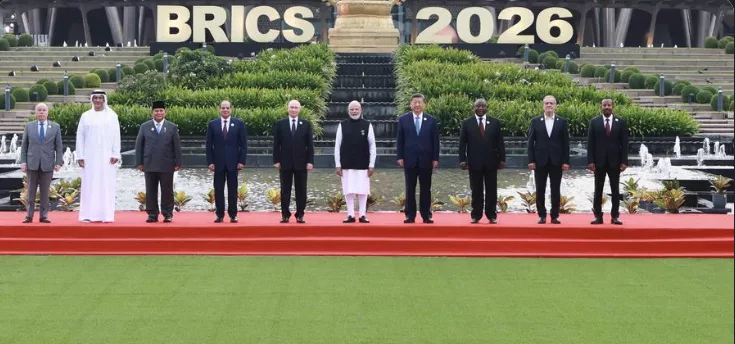
The 81st United Nations General Assembly brought 193 member states together in New York from September 9 to 29, 2026, to deliberate on global peace, development and cooperation.
Kenya was represented, and indeed, one might say Kenya was “well, well, well represented”. The questions, however, are about the manner, scale and cost of that representation, especially given the cost.
Kenya reportedly travelled to UNGA with a delegation of nearly 100 people, including seven cabinet secretaries, seven governors, and five principal secretaries, alongside the First Lady, advisers, ambassadors and State House officials.
Some delegates reportedly stayed in high-end hotels, with rooms costing upwards of Sh130,000 a night. Add business and VIP-class flights, security, transport and allowances, and insider estimates put the total bill to taxpayers at an astonishing Sh500 million.
The UN itself provides a point of reference. Under Rule 25, a member-state delegation shall consist of no more than five representatives and five alternates, together with advisers, technical advisers and experts as required.
While this is not a ceiling on the number of people a government may bring to New York, it raises the question of how large a delegation needs to be to conduct the country’s diplomatic business.
That question becomes harder to ignore when the Controller of Budget’s figures are considered. Between July and December 2025, government institutions spent a whopping Sh14.83 billion on travel and hospitality.
During the same period, State House spent Sh336.52 million on hospitality, Foreign Affairs spent Sh1.08 billion on foreign travel, while the Deputy President’s office spent Sh262.43 million.
These figures do not, by themselves, establish wrongdoing, but they do raise a legitimate question about how public resources are being spent and whether that spending meets the constitutional requirement for prudence and responsibility. Therefore, the demand for explanation is particularly relevant given both the government’s own call for restraint and the constitutional requirements governing the use of public resources.
In June 2024, following the Finance Bill protests, President William Ruto directed cuts to travel, hospitality and other operational expenditure, calling for austerity and urging the country to live within its means.
At the same time, Article 201 of the Constitution requires that public money be used “in a prudent and responsible way”, while Article 10 binds public officials to patriotism, good governance, integrity, transparency, accountability and sustainable development. The question, therefore, is whether these principles are being reflected in how public resources are being spent.
The UNGA expenditure also needs to be viewed against the wider demands on Kenya’s public resources. Kenya is operating a Sh4.8 trillion 2026-27 budget, with Sh784.5 billion allocated to education and Sh177.2 billion to health, which is in itself insufficient.
In that context, questions about how much is spent on travel and hospitality are also questions about priorities and the value attached to scarce public resources.
This is not to suggest that Kenya should not participate in UNGA. It should. The UN was created to bring nations together to confront humanity’s great problems, and Kenya has every reason to participate.
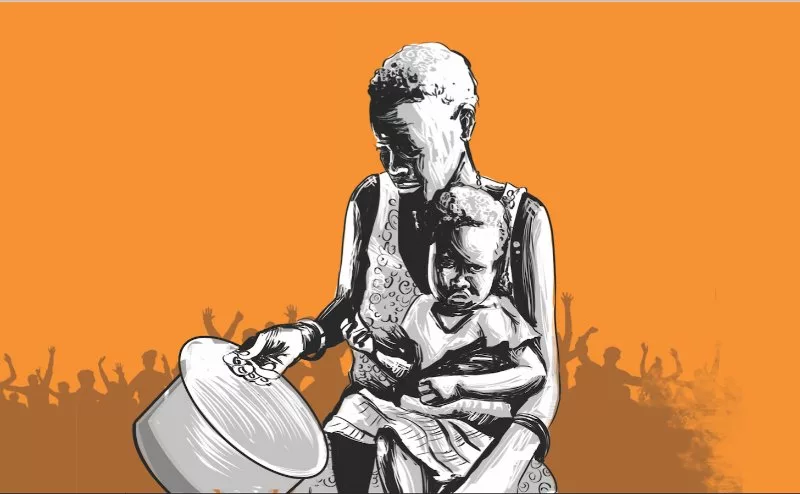
But the size of a delegation should not become a measure of governmental importance when, back home, ordinary Kenyans are struggling with school fees, hospital bills, rent and food. So, while some are doing UNGA on business class, millions of Kenyans are getting “unga” on borrowed time.
Programme Manager for Political Accountability in State Institutions, Kenya Human Rights Commission