Across the political divide, senior politicians are acquiring or launching their own parties, positioning them as vehicles through which they can negotiate for nominations, seats and influence in the alliances expected to shape the 2027 race.
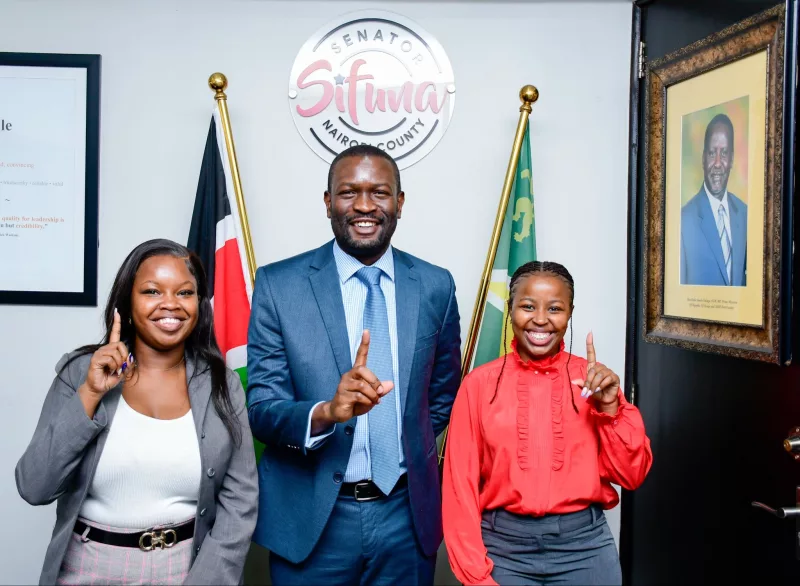
The latest is Nairobi Senator Edwin Sifuna, who on Sunday launched the Equitable Party as he officially declared interest in 2027 presidency.
Siaya Governor James Orengo is preparing to launch his own political vehicle as divisions in the Linda Mwananchi opposition group deepen.
Sifuna and Orengo join a growing list of senior politicians seeking independent platforms rather than leaving their political futures entirely to established parties.
Kakamega Senator Boni Khalwale also picked his certificate of registration of United Patriotic Movement party on Friday, adding to the growing list.
Embakasi East MP Babu Owino has rebranded the Muungano Party to The Mwananchi Party.
In Mt Kenya, Kiharu MP Ndindi Nyoro is popularising the People’s Party, while former Laikipia Governor and former KRA boss Nderitu Muriithi has taken over the Kenya Reform Party as he prepares for a return to the governor’s race.
Former Starehe MP Margaret Wanjiru has launched the Kenya Moja Movement as she positions herself for the Nairobi governorship, while Saboti MP Caleb Amisi is fronting the People’s Renaissance Movement.
Former Bahati MP Kimani Ngunjiri, who is aligning with the opposition, relaunched the Farmers’ Party last month after taking over its leadership.
The emergence of these parties comes as negotiations for 2027 coalitions gather pace, with politicians seeking to enter the talks with something of their own to offer.
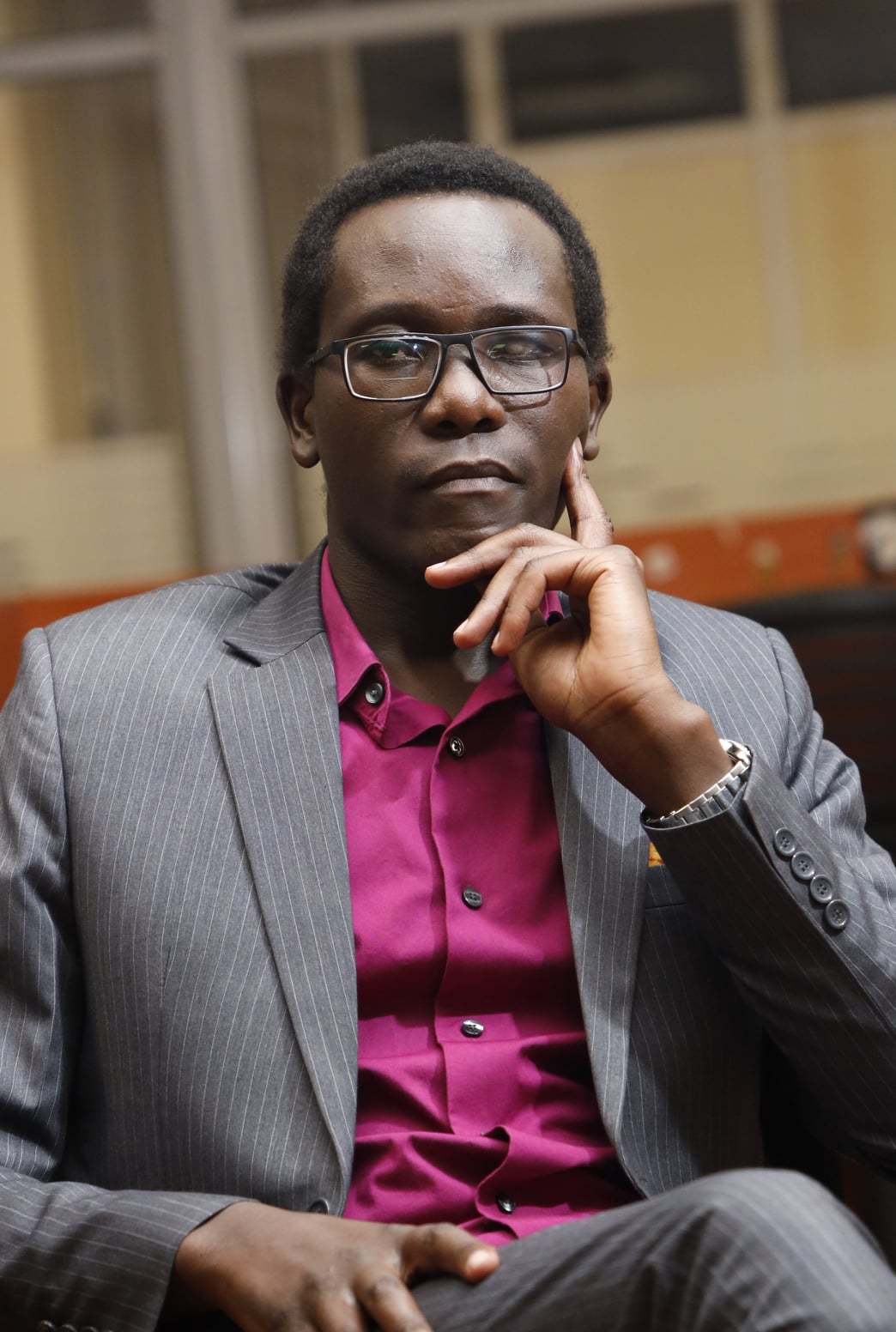
Political analyst David Monda said owning a party can provide politicians with leverage during coalition negotiations.
“Politicians use political parties in the political game for strategic ambiguity, gambits, bargaining and hoodwinking rivals, while rewarding allies,” he said.
He linked the growing appetite for party ownership to the fierce competition that characterises party nominations.
This is particularly significant ahead of a 2027 election in which major coalitions are expected to be assembled from multiple parties and regional interests, with fallouts from nominations likely to shape political alliances.
A small party with a regional following, a network of candidates or a group of elected leaders can become useful to a larger coalition seeking to broaden its support.
Party ownership also gives politicians greater control over nominations and the ability to determine who gets to run under their banner.
Former Nyeri Town MP Ngunjiri Wambugu said being a party leader provides “freedom, control and power over aspirants”, while also giving party owners an important role in coalition building.
The calculation is particularly visible in the opposition.
Orengo is preparing his political vehicle after failing to attend a recent Linda Mwananchi retreat at which Sifuna was endorsed as the movement’s presidential candidate.
The Siaya governor had previously expressed interest in the presidential ticket and called for a credible process to determine the candidate.
Sifuna, meanwhile, is moving ahead with plans for his own party as competing factions seek to consolidate political support ahead of 2027.
The proliferation of political vehicles is also taking place as established personalities and parties lose some of their traditional dominance, creating room for new players to negotiate their way into emerging alliances.
Nyoro’s People’s Party has attracted attention beyond Mt Kenya as it seeks to recruit candidates from across the country.
The move has raised questions over whether the party could emerge as another political pole in Mt Kenya as opposition leaders negotiate how to consolidate their support before 2027.
Nyoro has said he is working with other opposition leaders, noting that the opposition needs to settle on one presidential candidate and running mate.
The bargaining strategy has also been made explicit by the National Liberal Party, which has openly declared its willingness to negotiate with either side of the political divide.
Its leader Augustus Muli put the calculation bluntly at a rally in Kitui.
“NLP will work with either Opposition or Government. But we are not going to beg,” he said.
“We are going to bargain and fight for our people. We are also willing to go alone. Our voice is going to be very important in 2027.”
But the proliferation of parties has also attracted criticism.
Jubilee deputy leader Jeremiah Kioni has warned against the rise of what he calls “briefcase parties”, arguing that some lack proper structures and are controlled almost entirely by individual leaders.
“Some of them want to be the alpha and omega. That everything starts and ends with them,” he said.
He warned that an unchecked proliferation of regional parties could undermine democratic development.