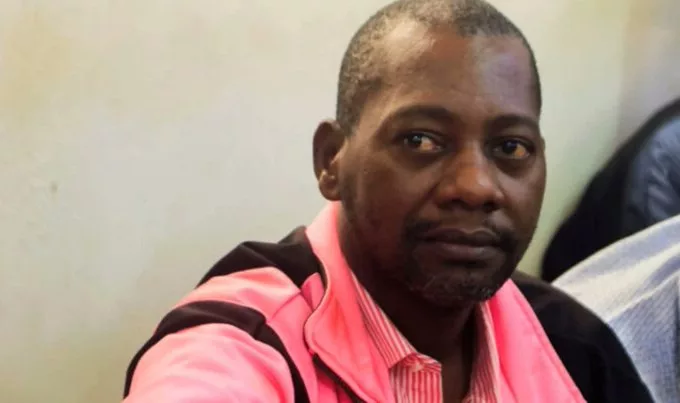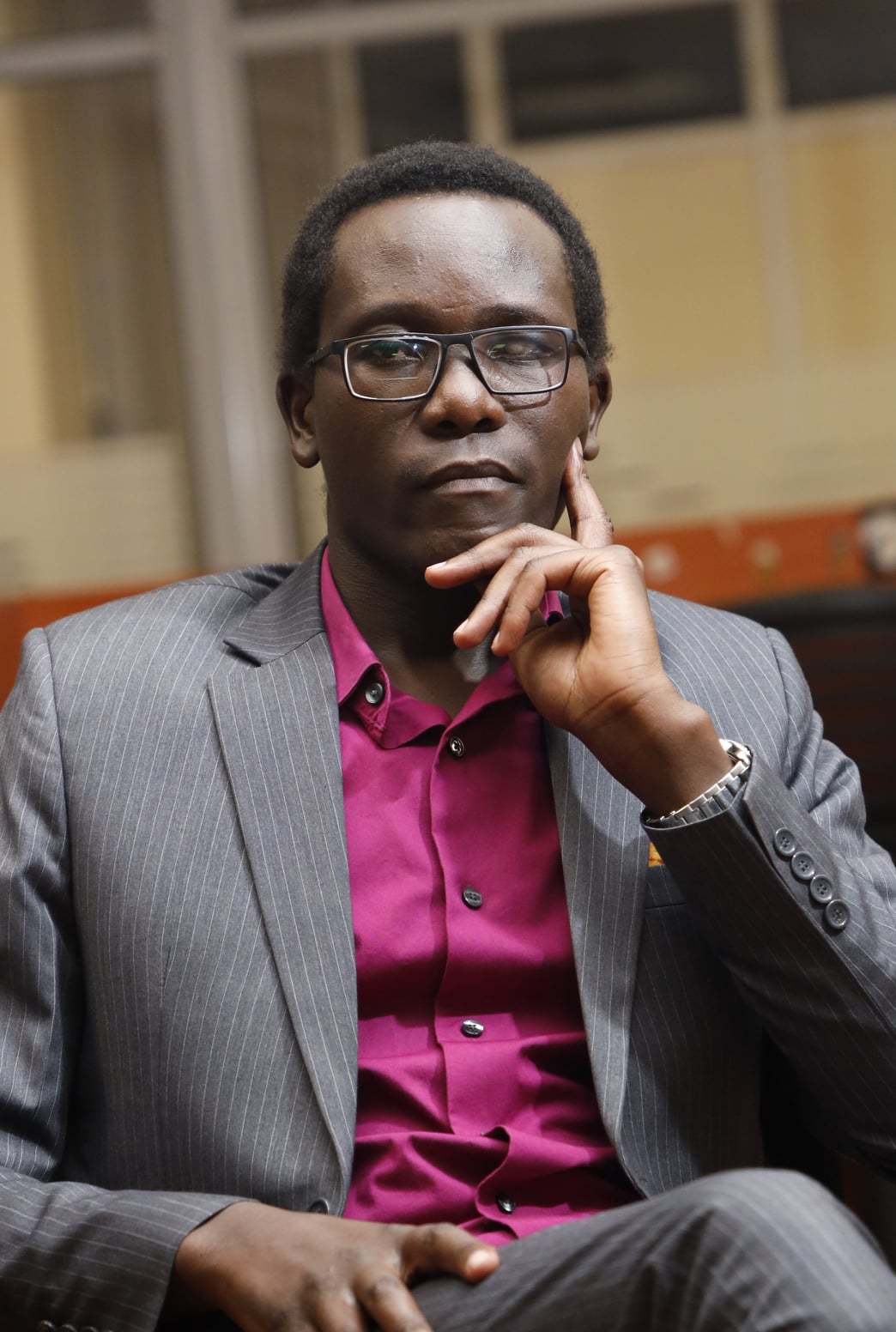
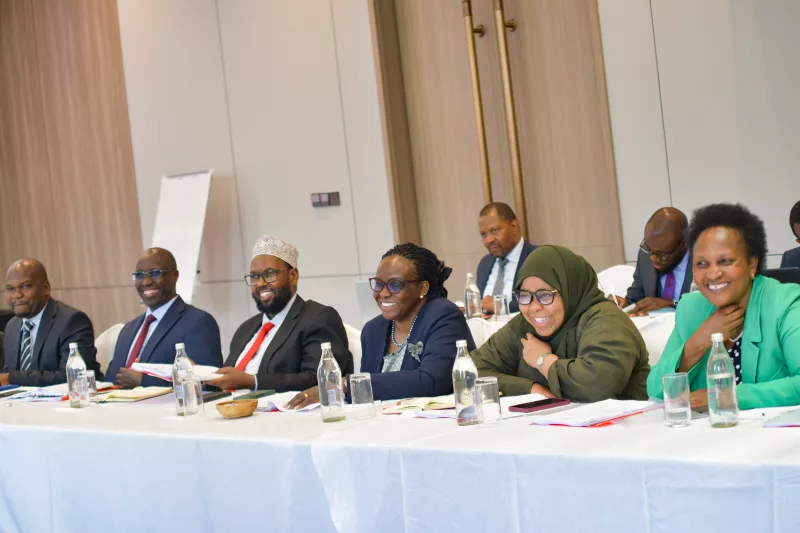
The electoral credibility has come under fresh scrutiny after retired President Uhuru Kenyatta, Wiper leader Kalonzo Musyoka and former Cabinet Secretary Moses Kuria reopened long-running claims about manipulation of presidential elections.
Uhuru triggered the debate on Tuesday, when he said he remained convinced the former Prime Minister Raila Odinga won the 2022 presidential election.
“We did everything to help Baba become president of the Republic of Kenya. He got the votes, and to this day I know that he is the one who won those votes. We know how things happened, and we do not want it to happen that way again,” Uhuru said at a Jubilee meeting in Nairobi.
The former president did not provide new evidence for the claim. It nevertheless carried political weight because Uhuru was the incumbent during the 2022 election — a position Kalonzo reiterated — and subsequently handed over power to William Ruto after the Supreme Court upheld his victory.
The official Independent Electoral and Boundaries Commission result gave Ruto 7,176,141 votes, or 50.49 per cent, against Raila's 6,942,930, or 48.85 per cent.
The Supreme Court dismissed the presidential petitions challenging the result and upheld Ruto's election.
Kalonzo, who was Raila's running mate in the 2013 and 2017 elections, on Thursday backed the former president's claims and said Raila had also been denied victory in those two contests. He said Uhuru was in a position of knowingg whhat happened.
“Raila aliibiwa. Mimi naamini 2013 tulishinda, ... 2017 tukarudi pale tena, tukashinda, tena hatukushinda,” Kalonzo said in Kitui.
He challenged the electoral commissionto ensure the 2027 election does not repeat what he described as past electoral failures.
“In 2027 haitakuwa hivyo tena. IEBC must ensure there is no rigging in 2027,” he said.
It is, however, Kuria’s sensational claim that they manipulated the 2013 and 2017 elections in favour of Uhuru that once again puts electoral agency in the spotlight.
Speaking on Inooro FM, the former presidential adviser claimed he and other political operatives did under hand dealings to secure Uhuru's victory in 2013 and 2017.
Kuria specifically referred to the legal battle over rejected presidential votes in 2013 and alleged that IEBC servers were manipulated to prevent a runoff.
“Uhuru knows better what we did for him in 2013 and 2017… We even did something in the servers to save him; we did it with Davis Chirchir to save him from facing Baba in a runoff,” Kuria claimed.
“If we had not gone to court to challenge the legality of rejected votes, Uhuru would have gone for a runoff.”
The Supreme Court ruled in 2013 that rejected ballots should not be included when determining whether a presidential candidate had crossed the constitutional threshold.
The court ultimately upheld Uhuru's election, while noting that the electoral process had not been perfect. In the controversial ruling, the apex court said that irregularities identified in voter registration and other aspects of the process were not substantial enough to affect the credibility of the election.
The claims come less than a year before the next year’sgeneral election, reviving questions IEBC will have to confront as it seeks to persuade voters and political parties that the next election will be transparent, verifiable and beyond manipulation.
Already, the electoral agency is struggling to win back public trust, as the opposition raises question about its preparation of the 2027 election.
IEBC itself recognises the importance of public confidence. Its election operations plan for 2025–27 describes the commission as a key institutional guarantor of citizens' democratic choice and says the 2027 election must meet constitutional and legal standards of integrity, transparency, accountability and efficiency. The plan specifically commits the commission to ensuring that every vote cast is counted, verified and accurately reflected in the final outcome.
Technology will be at the centre of that test.
Kuria's claims about servers are significant because technology has become part of Kenya's election controversies. Azimio in 2017 and 2022 demanded that the servers be opened.
The technology tender is already raising political pressure, as the opposition differs on whether to retain or replace Smartmatic..
In preparation for 2027, the IEBC says it is reviewing lessons from previous elections and working to strengthen election technology.
The commission says it is assessing and improving election technology based on lessons from previous elections, observer reports and audits. It also acknowledged that technology must be simple, verifiable, secure, accountable and transparent.
The 2022 election petition examined allegations concerning the integrity and security of the technology used to transmit presidential results.
This included claims of interference with Forms 34A and discrepancies between forms uploaded to the public portal and those received at the national tallying centre. The court ultimately found that the technology deployed met the required standards of integrity, verifiability, security and transparency.
The rigging claims have already drawn reactions, with UDA rejecting the claims and warning that such statements could undermine confidence in the electoral commission.
ODM has questioned why Uhuru waited almost four years to make his assertion, with party leader Oburu Oginga in a statement on Thursday saying they had exhausted the constitutional avenues available to it after the 2022 election.
Still at it, however, the government side has also made remarks signaling their readiness to rig the 2027 election.
A few weeks back, UDA secretary general Hassan Omar triggered a political storm, when he claimed fingerprints of people who die shortly before the election would be used to cast votes for Ruto.
Wajir Woman Representative Fatuma Abdi Jehow similarly sparked controversy when she said leaders in Northeastern would secure votes for the President Ruto in 2027 by all means, even if they did not have enough.
“Hata kama hatutakuwa na votes tutamwibia… hiyo si siri,” Jehow said at a homecoming in Wajir on July 12.
The remarks equally drew criticism and renewed concerns about political rhetoric around electoral manipulation.
Kapseret MP Oscar Sudi, a close Ruto ally, has also made claims fueling rigging claims.
Speaking on June 20 last year in Eldoret, Sudi said if the votes were not enough, “tutajaza” — suggesting ballot stuffing.
Tiaty MP William Kamket has also made electoral fraud claims, echoing Sudi's remarks. During a social gathering in Uasin Gishu on August 3 last year, Kamket said if the votes were insufficient, “we will ensure that they are enough, whatever comes may.”
The commission therefore has a difficult task ahead in demonstrating that the electoral process will be credible.
It has repeatedly pushed back against the rigging narrative.
In May, the IEBC condemned claims by political actors that they could influence the 2027 election through extra-legal means.
In a statement, the commission described the remarks as “reckless, baseless and unacceptable”, warning that they could erode public confidence in the electoral system.
More recently, IEBC commissioner Alutalala Mukhwana dismissed Omar's suggestion that dead voters could be used to cast ballots, saying the commission's biometric Kiems kits use both fingerprint and iris recognition.