The programme said nine. It is now 11. The tea is cold and a man with a walkie-talkie keeps whispering that the guest of honour is about to arrive. Nobody in the hall came for the guest of honour. They came for what was on the programme.
Recently in Kisumu, that scene played out with the most famous voice in the room on the stage.
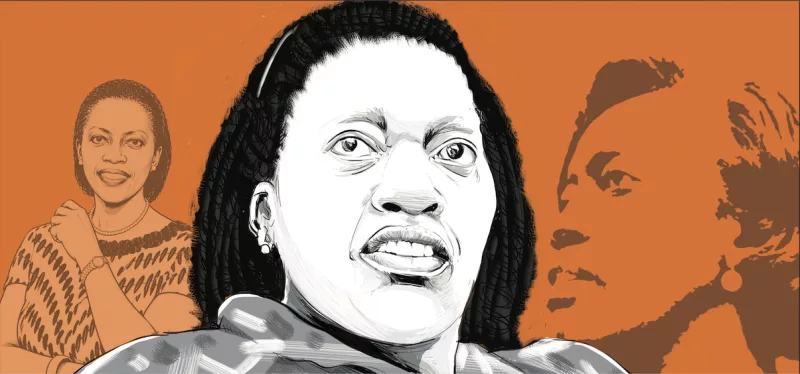
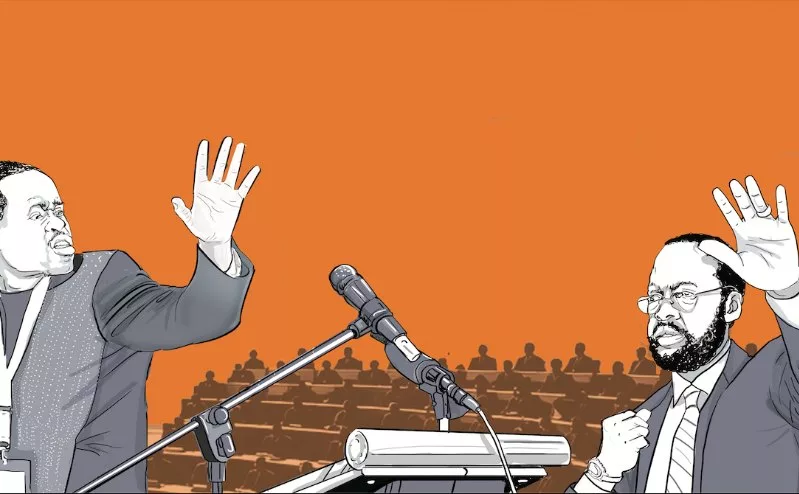
Prof PLO Lumumba was giving the keynote at the 18th annual scientific conference of the Tropical Institute of Community Health and Development. His subject was why Africa struggles to use its own research. Midway through, an organiser asked him to pause. Governor Anyang' Nyong'o was arriving.
"I'm now being stopped because the governor is coming," Lumumba told the hall, and asked which mattered more, what was being said or who was walking in. Then he walked out, while the governor was still being greeted at the door.
The clip has now been watched by more people than will ever read a paper from that conference. It has split the country into two teams. One says a scholar was disrespected. The other says a governor deserves a welcome. Both are right, which is why the whole thing was avoidable.
A public event exists for one reason: to give an audience what it came for. Everyone on that stage is in service of that reason. Three people forgot it.
The organisers forgot first. A late VIP in Kenya is not a surprise. Anyone who has run a public event here plans for it the way a surgeon plans for bleeding he has not yet seen. Let the speaker finish. Before the next item, welcome the governor with all the warmth the office deserves. The office is honoured, the programme is intact, the audience gets both the ideas and the handshake. Kisumu had that option and instead turned a keynote speaker into an interruption of his own speech.
The governor forgot second. A governor is a public servant, and so is every cabinet secretary and county official who has ever walked into a hall late and expected it to stop. The people in that hall are not his audience. They are his employers. When your employer is in a meeting, you slip in, sit down and wait to be recognised. I doubt the governor personally asked for the programme to stop. He did not need to. We have built a culture in which the stopping is automatic, and only the people it flatters can switch it off.
Lumumba forgot third. He was invited because he had something the audience needed. He was right to call the interruption wrong, and right to do it out loud. But walking out turned a point about ego into a display of it. The people who travelled to hear him left without what they came for, and the story that night was a walkout.
I once watched, in a documentary, Nelson Mandela publicly berate Thabo Mbeki, by then the sitting president, for arriving late. Then Mandela sat down, listened, and contributed what only he could. You can correct a room and still serve it.
I have seen the alternative built into the system, and it is not exotic. At most international conferences I have presented at, and recently at Kenyatta National Hospital, the instructions arrived days before: how long you speak, when you speak, what format your slides take.
The rules bent for nobody. A senior professor and a medical student had the same podium and the same clock, and if you ran over, the microphone could be cut. Nobody was insulted. Everyone knew the rules before they walked in, so nobody had to be humiliated on the day.
None of this belongs to Kisumu, or this governor, or this professor. It is a habit, and habits are broken by rules written before the moment arrives.
Organisers: put one line in every programme. Speakers finish. VIPs are welcomed at the next break. No session stops for an arrival.
Public officials: send one line ahead of you. "Please do not stop proceedings for my arrival." It costs nothing but a little vanity and ends this overnight.
Speakers: if the room gets it wrong, say so. Then stay and give the room what you came to give.
We spend a great deal of this country's time waiting for important people. The people they serve are the important people.
Surgeon, writer and advocate of healthcare reform and leadership in Africa |[email protected]