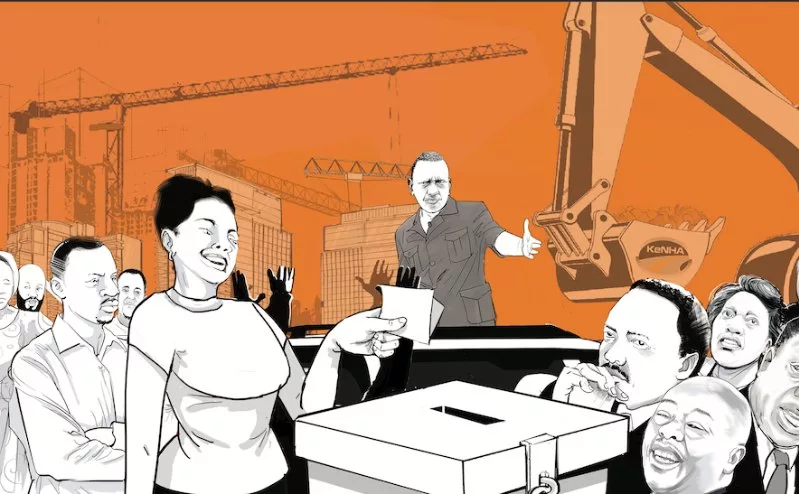
In 2022, William Ruto rode a hustler’s promise into State House. Four years later, the battle lines for 2027 are already drawn. Ruto will run on his own record: national development across the country and grassroots mobilisation. The opposition will run on anger over the cost of living, high debt, corruption and the power of sloganeering. The election will decide which is stronger.
Ruto was sworn in on September 13, 2022. By 2027, he will have five years of decisions to defend. He has toured all 47 counties, commissioning projects, opening hospitals, handing over keys. No challenger can replicate that reach.
He is building a formidable broad-based coalition from Rift Valley to Mt Kenya, Western to Coast, pastoralists to urban youth. His government says projects are spread nationwide, creating vested interests. Critics call it political targeting. Either way, it is machinery.
Ruto’s campaign will sell BETA achievements such as 32 million bags of subsidised fertiliser; Hustler Fund has disbursed over Sh82 billion to more than 26 million Kenyans; NYOTA has allocated Sh5 billion to 100,000 young entrepreneurs.
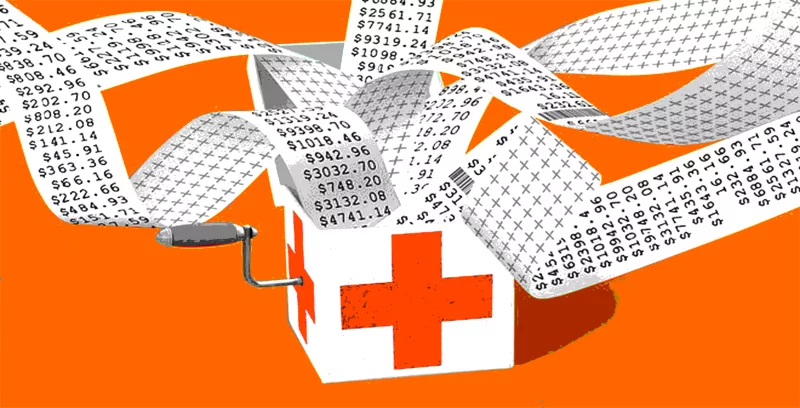
But the record cuts both ways. Potato prices are up 28 per cent, sukuma wiki 27 per cent and matatu fares 17 per cent. Inflation has fallen, prices haven’t. Public debt has crossed Sh13 trillion. Corruption scandals erupt weekly.
The government says the pain was the price of stabilisation, that it kept Kenya solvent. Critics ask who paid for housing, fertiliser and Hustler Fund, whether the poorest benefited, and how the debt will be repaid. Both questions will be on the ballot.
The opposition has its own case. Kalonzo Musyoka sells experience and principle. His 'Komboa Kenya' is a covenant to end state capture, corruption and hardship, though he has been making versions of it since 2007. Fred Matiang’i sells technocratic transformation: halve public debt by renegotiating loans and commercialising minerals, restore Linda Mama, end goons. It sounds like a plan, but debt is not halved by declaration.
Edwin Sifuna sells generational change: “Experience has failed Kenya.” He refuses the deputy presidency as a consolation prize and tells Western Kenya to reject “number two” deals. Fresh message, but his economic team is just a movement, not a policy manifesto. Rigathi Gachagua sells grievance and the machinery to mobilise it, claiming he is the opposition’s best candidate, even offering to deputise Sifuna. But he is legally barred, and grievance is not a governing programme.
Martha Karua sells integrity, a single term, rule of law, security reform, demystifying power. Integrity alone is not enough. Eugene Wamalwa sells Narc nostalgia and alliance-building. Eliud Owalo sells deep tax cuts, income tax from 35 to 20 per cent, VAT from 16 to 10 per cent, free education and healthcare. Jimi Wanjigi sells economic liberation, rejecting “odious” debt, scrapping SHA and VAT. Bold numbers, no payment plan.
The opposition remains fractured, unable to agree on a flagbearer, coalition, political party or meeting date. That is a real disadvantage. But Kenyan coalitions have formed late before, and public anger can force unity. The question is whether cost-of-living anger is strong enough to overcome ambition and ego.
So the asymmetry looks real and might just be decisive. Ruto can point to a tarmacked road, an affordable home, a cheaper bag of fertiliser, a hospital registration, a loan on a phone. His opponents can point to anger and promises. Whether that helps depends on how voters judge the record. If they see the pain as the price of stabilisation, Ruto wins. If they see it as mismanagement, the opposition has a path.
Ruto starts as the candidate to beat. But if the opposition unites, offers a credible economic team, and persuades voters that Ruto’s record has not improved their lives, which is unlikely to happen, then maybe they have a chance. Until the opposition answers “what will you do differently, and who pays?”, Ruto remains ahead in the race.
Strategic adviser and expert in leadership and governance