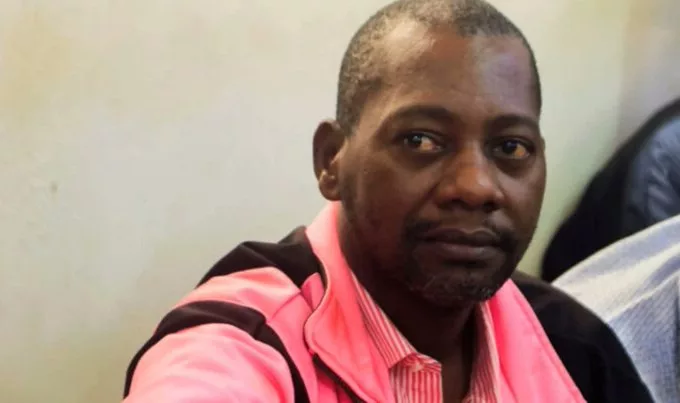
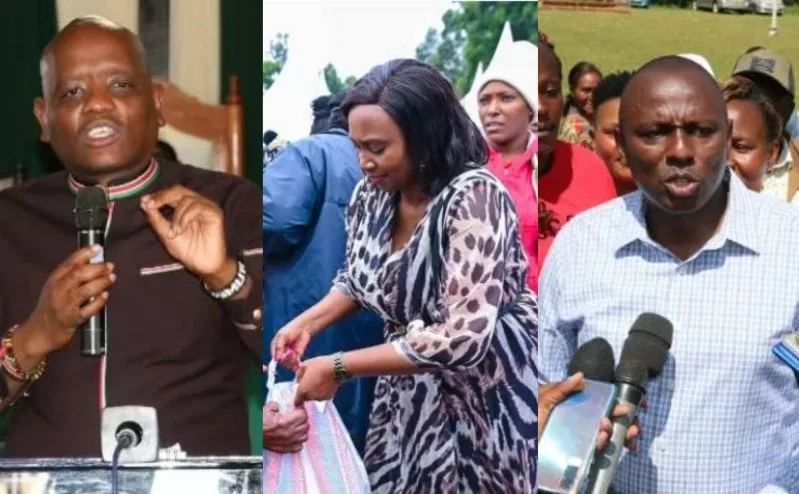
 A collage of Dennis Itumbi, PS Mary Muthoni and KIkuyu MP KImani Ichung'wah./FILE
Kirinyaga County has in recent months witnessed a flurry of political activity, with several state-aligned leaders stepping up engagements with residents, religious groups and local leaders.
The heightened activity has sparked debate among residents over whether the renewed attention is part of a wider strategy to shore up President William Ruto’s support in the county ahead of the 2027 General Election.
“I see these activities as an attempt by the State to take advantage of this swing vote and shift it towards the government and away from the opposition,” said Wachira wa Tumaini, a Kerugoya resident.
The county has emerged as an increasingly important political battleground as the influence of the DCP grows in Mt Kenya.
The increased political activity also comes at a time when the region is undergoing realignment, with leaders allied to Ruto seeking to consolidate support while the opposition attempts to expand its influence.
This month alone, Kikuyu MP Kimani Ichung’wah, who is also the National Assembly Majority Leader, has visited Kirinyaga almost weekly, taking his message to Kerugoya, Gichugu and Ndia.
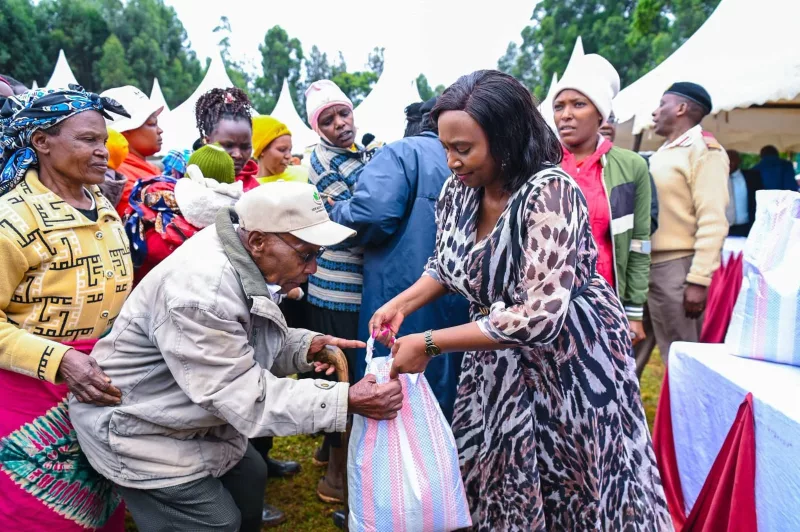 Public Health PS Mary Muthoni donating foodstuffs during a citizen engagement forum at Karumandi in Gichugu constituency on September 12, 2026/ ALICE WAITHERA
Flanked by Kirinyaga Central MP and gubernatorial aspirant Gitari Gachoki, Ichung’wah has largely focused on the need for Mt Kenya unity while rallying residents behind Ruto’s re-election.
At the same time, State House Head of Special Projects and Programmes Dennis Itumbi has been attending weekly community forums as he popularises "The Kirinyaga We Want" initiative.
Itumbi launched the initiative in August with the stated aim of mobilising residents to identify priority development projects and articulate challenges they want addressed.
The forums, he explained, are intended to enable residents to develop a blueprint that can later be presented to aspirants seeking elective positions in the county.
“Kirinyaga must begin to ask itself what it wants politically, economically and socially. We cannot continue being an appendage of Mt Kenya East or Mt Kenya West. We must chart our own path,” Itumbi has maintained.
While Itumbi presents the initiative as an effort to give residents greater control over the county’s political and development agenda, its timing and the growing presence of state-aligned leaders have inevitably fuelled political speculation.
Kirinyaga, led by Governor Anne Waiguru, is considered pivotal in Mt Kenya politics and has repeatedly sought a stronger voice in national political affairs.
Waiguru was among leaders who expressed interest in the Deputy President’s position in 2023 following the impeachment of Rigathi Gachagua.
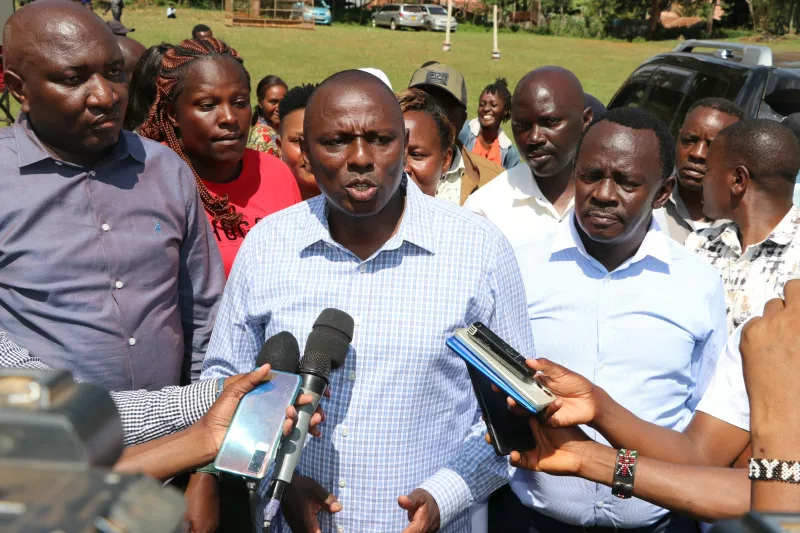 Leader of Majority in the National Assembly, Kimani Ichung'wah, addressing the media after a consultative meeting with grassroots women leaders in Kerugoya, Kirinyaga County, on Saturday, September 5, 2026. / ALICE WAITHERA
The county is now also at the centre of a contest over the future political leadership of the wider region, with Ndia MP George Kariuki positioning himself as an alternative to former Deputy President Gachagua and current Deputy President Kithure Kindiki.
Gachagua and Kindiki have publicly differed over the political direction and leadership of Mt Kenya, creating space for other leaders to seek influence.
“Neither Gachagua nor Kindiki has the ability, in my opinion, to run the affairs of this region the right way. I don't see it in any of them. I think both have had an opportunity to demonstrate their capacity and they have greatly disappointed our community,” Kariuki has previously argued.
Kariuki has also been holding meetings with delegations from different parts of the county at his residence in Gacharu as he builds his own political network.
Public Health PS Mary Muthoni has also made recurrent visits to the county, focusing on healthcare, community welfare and the war against drugs and alcoholism.
For Tumaini, the renewed attention on Kirinyaga is significant because of the county’s position as a swing vote in the region.
He argued that while Murang’a, Nyeri and Kiambu have traditionally enjoyed greater visibility in national politics, Kirinyaga has not been as firmly established in national political negotiations.
The resident believes the current engagements could therefore be aimed at giving the county a stronger voice while simultaneously drawing it closer to the government.
He further argued that government-aligned leaders could be using community forums to promote state-friendly local politicians and, in the process, increase Ruto’s support in the county.
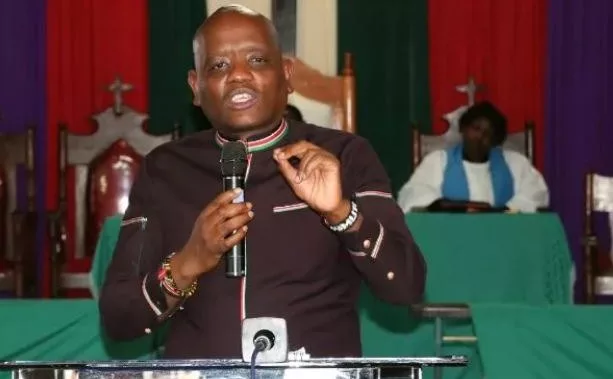
State House Head of Special Projects and Programmes Dennis Itumbi addressing members of Mbiri ACK Church in Gichugu Constituency on September 6, 2026/ ALICE WAITHERA
“After the Ol Kalou defeat, my belief is that many UDA leaders started plotting their departure from the ruling party because it became clear how unpopular it had become,” Tumaini said.
He believes some government-affiliated leaders could eventually support the creation of a new political vehicle focused on Kirinyaga, potentially giving local aspirants an alternative to DCP.
“The main question is, how will people interpret this? Will they support the party or will they be willing to decamp from DCP to escape the congestion?” he posed.
“I foresee a situation where this region will have so many parties, probably one in each county, as a strategy to water down DCP’s support,” he added.
However, Tumaini acknowledged that DCP is also facing its own challenges, particularly internal competition as several influential aspirants seek the party’s ticket for the same positions.
He cited Senator James Kamau Murango and former Woman Representative Wangui Ngirici, who are positioning themselves for the gubernatorial contest, arguing that intense competition could push some aspirants towards other parties with a stronger local presence.
“The opposition will have to restrategize. The State seems to be working overtime. I especially like Itumbi’s plan to engage the community on issues that matter to them, and we know he’s a good strategist,” Tumaini noted.
Itumbi, however, rejected suggestions that his activities are designed to mobilise support for Ruto.
Speaking to The Star, he argued that politics should no longer be a process in which politicians set the agenda and then expect citizens to follow.
Instead, he maintained that communities should define their priorities first and determine the political choices that best serve those interests.
“For years, political parties wrote the script and asked Kirinyaga to play its part. This time, Kirinyaga is writing the script, and politics will have to respond,” Itumbi said.
He stressed that he was not asking residents to create a new political party, but rather to develop their own agenda, define their interests and determine how best to pursue them.
“Will that agenda find a home in the existing political arrangements? Will those arrangements respond to it or will the people eventually demand a different vehicle? Those are the questions for Kirinyaga to answer,” he said.
Mary Thuthi, a resident of Kagio, offered a different interpretation, arguing that the increased political activity could be an attempt to make the government more visible on the ground and influence public perceptions well before the elections.
“Increased appearances by senior Ruto allies can also be interpreted as an attempt to show that Mt Kenya still has a direct relationship with his administration and that the government has people on the ground who can speak for it,” she observed.
Thuthi noted that Ichung’wah’s position as a senior national political figure makes him particularly useful in connecting local politics with the national government.
Itumbi’s approach, she added, was less traditional, shifting attention from political rallies to conversations around agriculture, roads and other issues affecting residents.
But while the initiative is being presented as a community-driven development platform, its sustained presence on the ground is likely to carry political implications as the 2027 elections approach.