The Africa Centres for Disease Control and Prevention (Africa CDC) and African countries are advancing a continental framework aimed at strengthening the use of behavioural, social and information data in public health decision-making.
The development follows a five-day meeting in Mombasa where technical experts and public health leaders from six African countries reviewed and validated key components of the emerging Behavioural Intelligence and Infodemic Management (BIIM) framework.
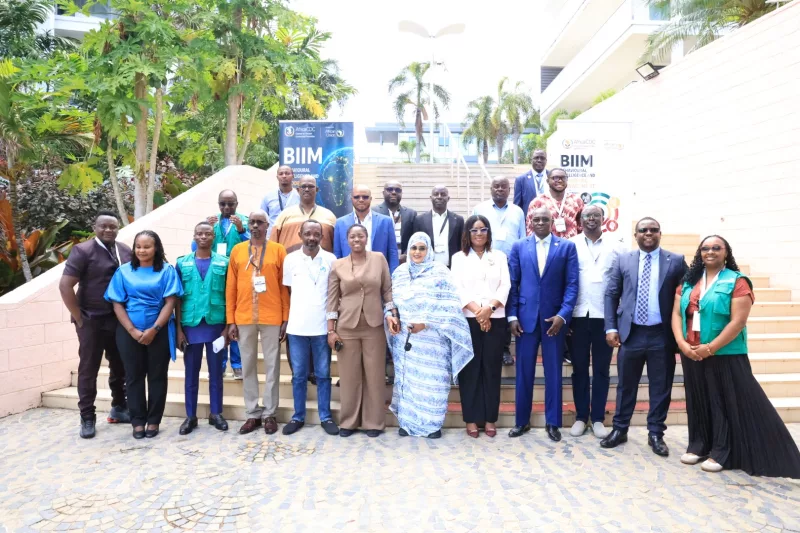
Representatives from Burundi, Ghana, Kenya, Mauritania, Sierra Leone and Zimbabwe took part in the August 30 to September 3 meeting, alongside the ECOWAS Regional Centre for Surveillance and Disease Control and the WHO Africa Infodemic Response Alliance.
The framework is being developed by Africa CDC in collaboration with African Union Member States, regional institutions and technical partners.
BIIM seeks to bring together information that is often collected separately, including community feedback, social listening, behavioural and social data, service-delivery information, programme data and rapid research.
The information would then be analysed and turned into intelligence to support decisions on issues such as disease outbreaks, immunisation, primary healthcare, community trust and uptake of health services.
Africa CDC said the initiative is not intended to create another database or reporting platform.
Instead, BIIM will connect existing systems and evidence sources to help countries identify emerging signals, verify and analyse them, assess their significance and provide recommendations to decision-makers.
Public Health Principal Secretary Mary Muthoni Muriuki said the framework should strengthen existing national systems rather than create parallel structures.
“BIIM is not another platform or parallel system. It strengthens and connects existing national capabilities,” she said.
Muriuki also agreed to champion BIIM across Africa, supporting efforts to strengthen Member State leadership around its institutionalisation.
The framework follows a process that begins with identifying a public health signal before integrating and interpreting evidence, prioritising issues, developing decision-ready intelligence, taking action and learning from the outcome.
Africa CDC said an online rumour, community concern, survey finding or drop in service uptake could serve as an initial signal.
However, such information would only become actionable intelligence after being verified and considered alongside other evidence.
The emerging framework will allow countries to determine where BIIM sits within their national institutions, how it is governed and how data is managed.
Africa CDC will provide continental stewardship through common standards, technical guidance, coordination and quality assurance, while Member States retain control over their national systems.
Dr Lul Pout Riek, Special Representative of the Director General for the Eastern Africa Regional Coordinating Centre at Africa CDC, said the success of BIIM would depend on whether it becomes embedded in routine public health operations.
“The technical architecture is important, but institutionalisation is the real test,” Riek said.
He said behavioural intelligence should become part of how public health institutions routinely identify risks, make decisions and respond to health challenges.
The Mombasa meeting also sought to align regional and technical partners around the emerging framework and avoid duplication of existing investments in areas such as social listening, community intelligence and infodemic management.
The next phase will focus on finalising the continental BIIM package, helping Member States establish national implementation pathways and identifying priority health challenges where the approach can be tested.
Africa CDC said the long-term goal is not to establish a single continental database, but to create an interconnected public health intelligence capability in which countries generate, own and use intelligence nationally while benefiting from common standards, regional coordination and continental learning.