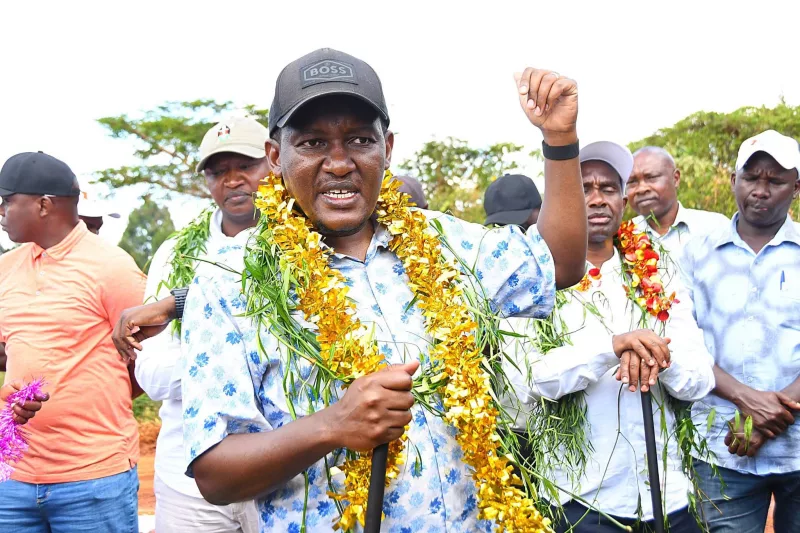

Tharaka-Nithi Woman Representative Susan Ngugi has challenged the accuracy of a report claiming a 27 per cent Female Genital Mutilation (FGM) prevalence in Chuka/Igambang’ombe constituency.
The MP said there is no credible and verifiable data to support the claims.
Ngugi, who is eyeing the Tharaka-Nithi gubernatorial seat in the 2027 general election, said she had not heard of anyone in the constituency being arrested by police or chiefs for practising FGM, nor of any child being rescued after undergoing the practice.
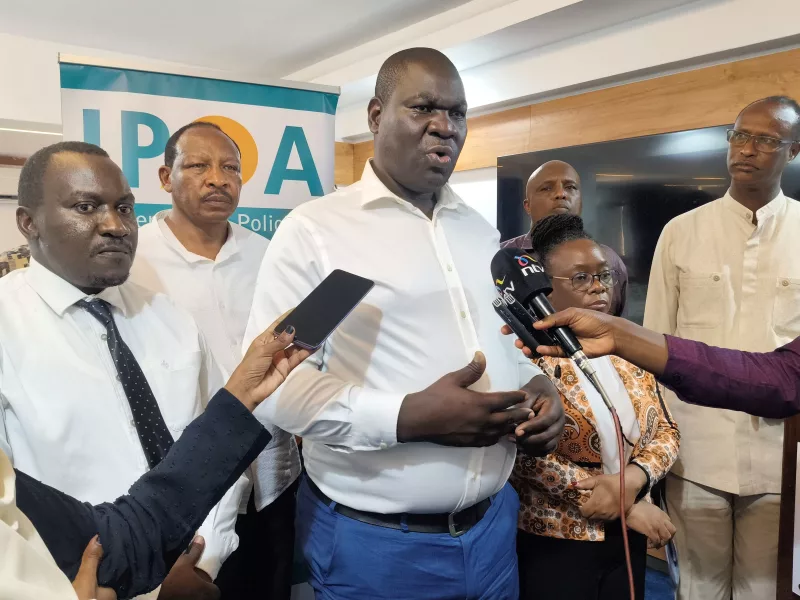
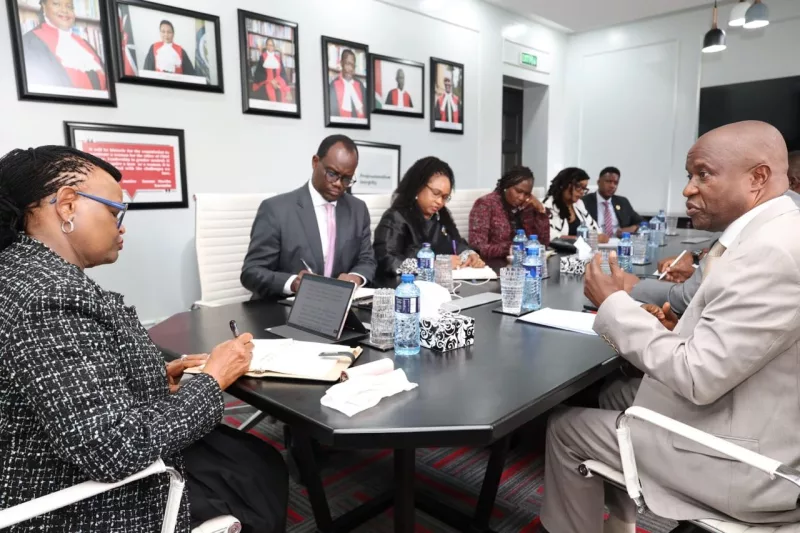
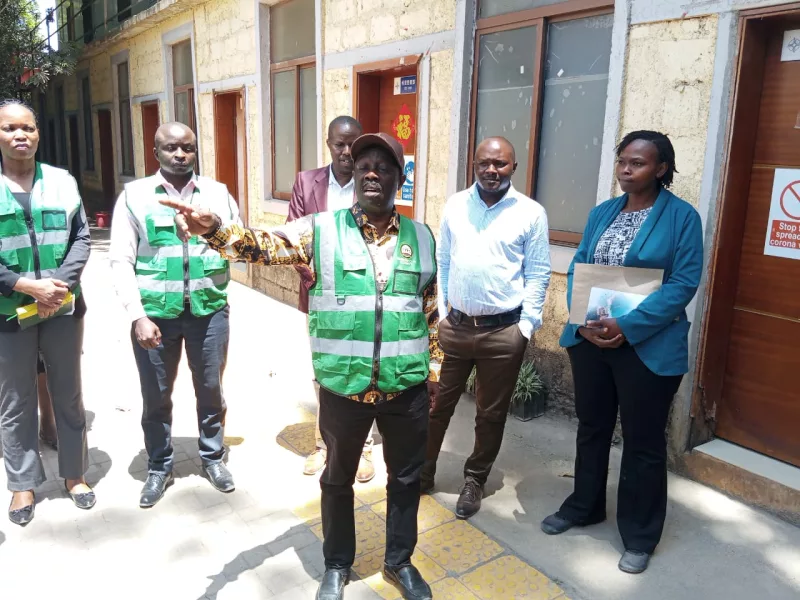
The remarks follow a recent Anti-FGM Board sensitisation and community engagement in Kathwana, which brought together government representatives and members of the National Assembly Departmental Committee on Social Protection to discuss efforts to combat FGM.
Among those present were Anti-FGM Board Chairperson Ipato Korema Surum and MPs Edith Nyenze (Kitui West) and Amina Abdullahi Dika (Tana River) as well as Ngugi.
“If you say Igambang’ombe has 27 per cent FGM, where are the people who have been arrested? Where are the parents who have been arrested?” Ngugi posed.
She warned that some non-governmental organisations could be using claims of FGM in Igambang’ombe to attract donor funding, urging stakeholders to ensure that information presented about the community is accurate and verifiable.
Ngugi said portraying Igambang’ombe as an area with widespread FGM without credible evidence could unfairly damage its image, urging stakeholders to base interventions against harmful cultural practices on reliable data.
She stressed that she does not support FGM, describing it as a harmful cultural practice that should be eradicated and called for anyone found practising FGM to be arrested and to face the full force of the law, saying harmful cultural practices should not be tolerated.
Ngugi called for greater government attention to Igambang’ombe, which she described as a semi-arid area that had not benefited sufficiently from development programmes.
She said the area required targeted government interventions to address its development challenges and improve residents’ livelihoods.
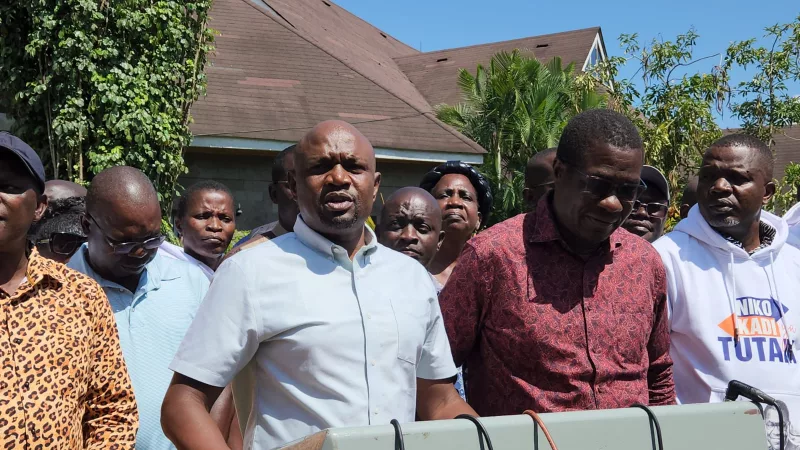
She spoke in Kathwana, Igambang’ombe Constituency, while supporting the Karori Self-Welfare Group with tents and 100 chairs. The event attracted a large number of residents.
Ngugi urged stakeholders to focus on the development needs of Igambang’ombe while ensuring that data used to plan and implement programmes accurately reflects the situation on the ground.
Recently, global leaders and organisations working to protect girls called for stronger political commitment, increased funding and greater accountability in efforts to end FGM and child marriage.
Senior government officials, diplomats, multilateral organisations, funders, survivors and civil society representatives met in Nairobi last week for the Justice for Girls: Leadership and Collective Action to End FGM and Child Marriage event.
The meeting brought together leaders from Africa, Asia and the wider global movement to strengthen collaboration among governments, communities and civil society as efforts towards 2030 intensify.
British High Commissioner to Kenya Matt Baugh said governments, civil society and communities must work together, with survivors at the centre of efforts to end the practices.
He said progress made in addressing FGM and child marriage was under threat from declining commitment and setbacks in the rights of women and girls.
“This is about nothing less than the lives and futures of millions of girls. All of whom have the right to live without fear of harm or abuse. We cannot afford to lose that momentum. We cannot afford to let another generation of young women and girls suffer these practices,” Baugh said.
The discussions focused on the need for political accountability and sustained resources to ensure commitments made by governments and international institutions translate into action.
Genedrv and affirmative Action Principal Secretary Anne Wang’ombe said stakeholders must protect the gains already made in the fight against harmful practices.
“We must safeguard the gains we have made and build on the progress we have made to achieve our ultimate goal of equality. The challenges are formidable, but we cannot afford complacency; we cannot sit back,” Wang’ombe said.
Ends
https://cms.eu-central-1.linodeobjects.com/image/2026/10/ca854bf9-23c6-4a2f-9d7d-ca6f1134870d.webp