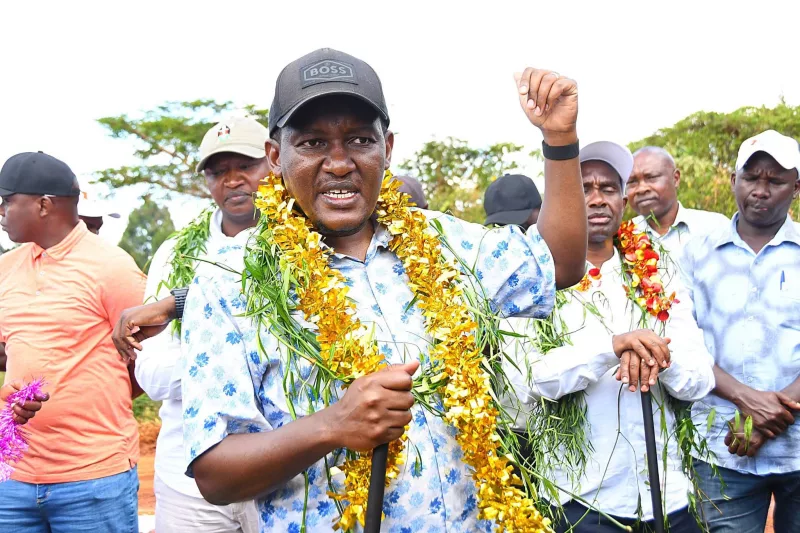
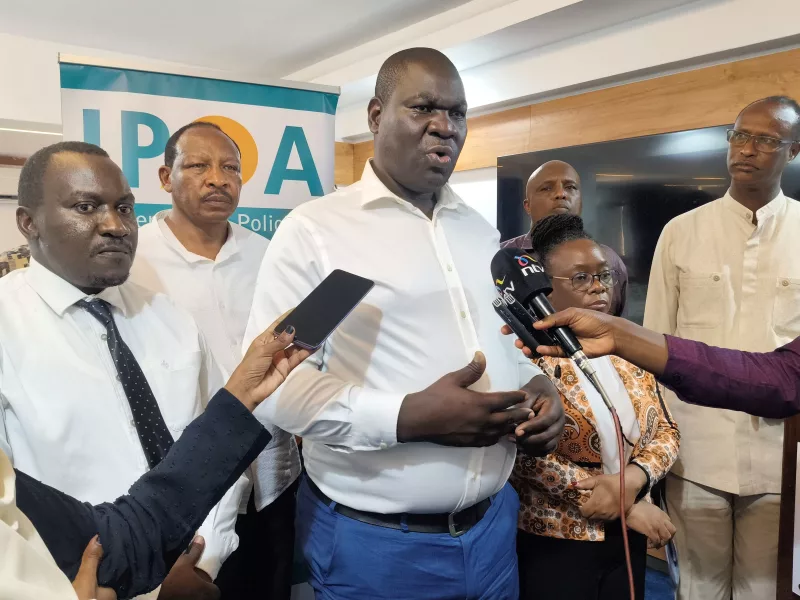
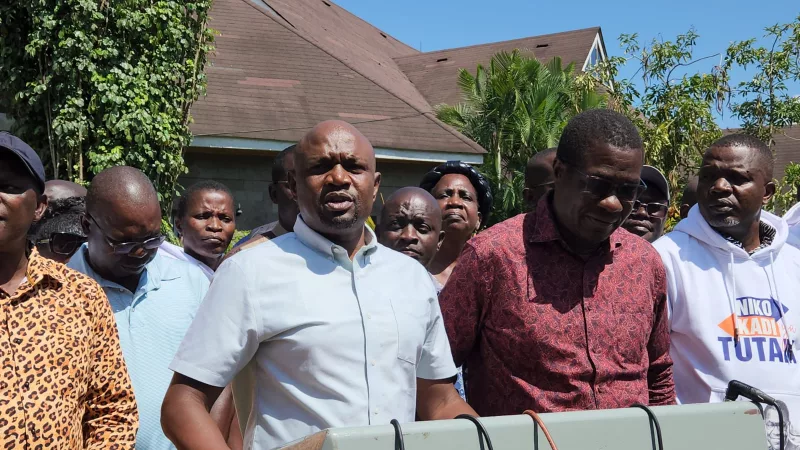
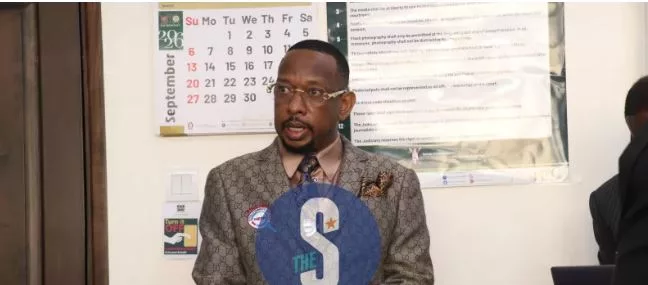
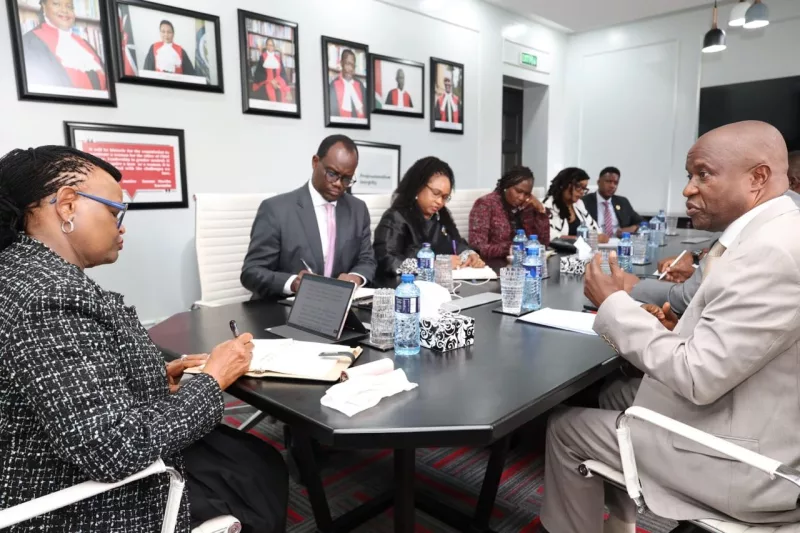
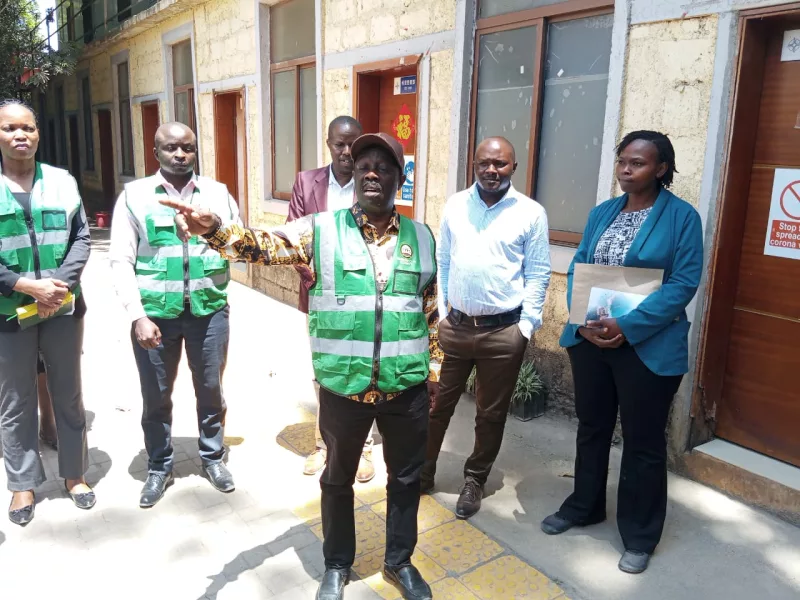
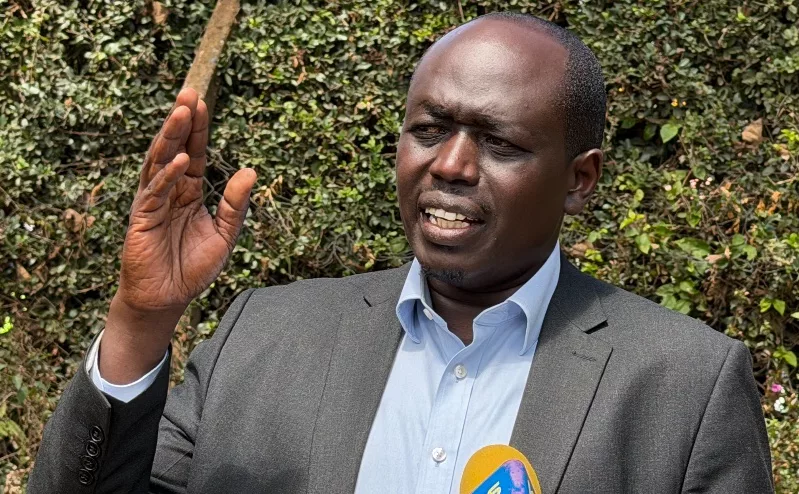
 Ainabkoi constituency MP aspirant Chris Muktain
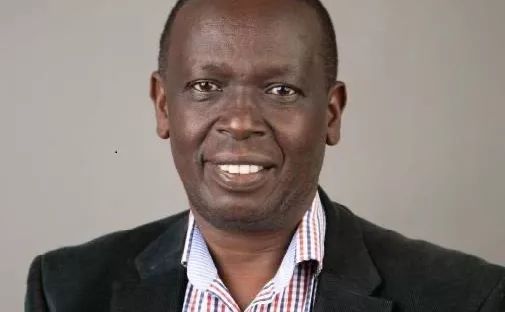 Ainabkoi MP Samwel Chepkonga
The race to unseat Ainabkoi MP Samuel Chepkonga is gathering momentum.
A crop of youthful aspirants are seeking to turn concerns over development and leadership into a challenge against the two-term legislator.
The contest is increasingly shaping up around competing claims over what the constituency has gained under Chepkonga and whether a new generation of leaders can do more to address residents’ needs.
The constituency’s absence from President William Ruto’s ongoing tour of the North Rift has added another layer to the contest, with some residents blaming Chepkonga for failing to attract projects that would have featured during the President’s visit.
Chris Muktain, a youthful businessman and one of the aspirants seeking to challenge the incumbent, says the omission reflects what he describes as a wider failure of leadership and development planning.
“We would have wished to have President Ruto come to our constituency, but we have been left out because there are no projects or programmes aimed at benefiting residents,” Muktain said.
He argues that Ainabkoi needs a change of leadership to mobilise development initiatives and translate the national government’s agenda into tangible benefits for residents.
“I am in the race to give the people of Ainabkoi a fresh start because Chepkonga and his team have stagnated and cannot provide the leadership needed in our area,” the aspirant said.
Muktain, who has been involved in community projects, says his priorities would include economic empowerment for young people and women, better roads, electrification, schools and other community development initiatives.
“If elected, I will focus on economic empowerment initiatives, especially for youth and women. We also need good roads, electrification, schools and other community development initiatives for our area,” he said.
His campaign places the question of local development at the centre of the contest, but it also raises a broader issue: how voters assess the performance of their MPs, whose responsibilities include legislation, representation and oversight, alongside development programmes funded through the National Government Constituencies Development Fund (NG-CDF).
Chepkonga, who is seeking a third term, has a record of legislative activity in Parliament, while his supporters argue that NG-CDF has financed numerous development programmes in Ainabkoi under his leadership.
“Residents of Ainabkoi know what we have achieved and we will ensure we push on with the programmes that are evidently transforming the constituency,” Chepkonga said.
The competing claims are likely to make the delivery and impact of constituency projects an important issue as the campaigns gather pace.
A clearer assessment of the incumbent’s record will depend on the projects completed, their reach and the extent to which they have addressed residents’ priorities.
Muktain says he supports Ruto’s development agenda but argues the constituency needs leadership capable of mobilising resources and driving projects at the grassroots.
The contest is also taking shape within UDA, with aspirants expected to battle for the party ticket during nominations ahead of the 2027 elections.
The outcome of the primaries could be as significant as the eventual general election contest in a constituency where several contenders are emerging.
Other aspirants who have declared interest include Kaptagat MCA Jonathan Ngetich, also known as Mestowot, and Kapsoya MCA Isaac Kemboi.
Vincent Mjumbe, who is based in the US, is also being mentioned as a possible contender and has been campaigning online ahead of an expected entry into local politics.
The field remains fluid, with further aspirants expected to emerge as UDA nominations approach.
Political mobilisation is likely to focus on the constituency’s Kaptagat, Kapsoya and Ainabkoi/Olare wards, where candidates will seek to build support around local concerns and their development credentials.
For Muktain, the challenge will be to convert his community involvement and call for change into a constituency-wide political organisation capable of competing for the UDA ticket.
Chepkonga, meanwhile, will have to defend his record against rivals seeking to make development delivery and leadership renewal the defining issues of the race.
Muktain has called for peaceful, issue-based campaigns focused on residents’ needs rather than what he describes as the personal interests of the current leadership.
Instant analysis
Ainabkoi’s emerging contest reflects a wider battle over development delivery, generational change, and access to the ruling UDA ticket. Chepkonga’s challengers are seeking to turn concerns about local projects into a case for new leadership, while the incumbent’s supporters point to his legislative record and NG-CDF programmes. The decisive question will be whether aspirants can substantiate their claims and convince voters that their plans offer practical solutions to the constituency’s needs.