Kenyan pet owners have been urged to make vaccination and preventive healthcare a routine part of animal ownership as the country steps up efforts to eliminate dog-mediated human rabies by 2030.
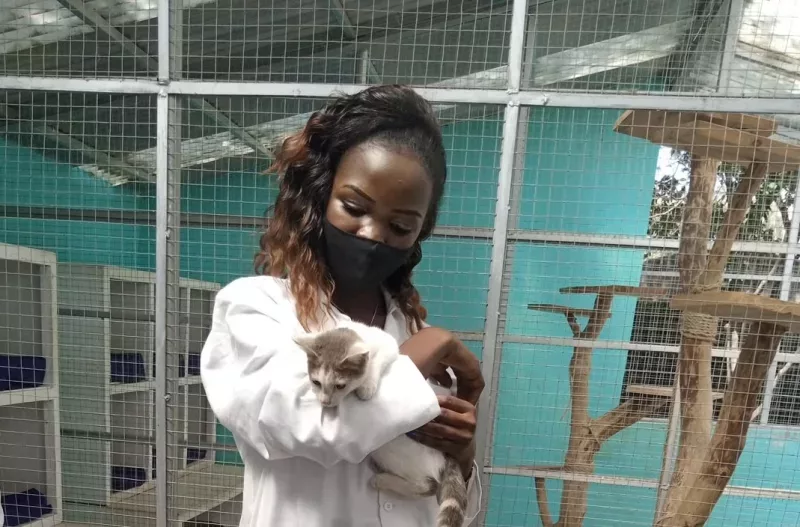
Rosebella Ochango, a veterinary professional and business developer at PetStore Kenya, said rabies remained a serious public health concern despite being preventable, largely because not all dogs are vaccinated and people exposed to potentially rabid animals do not always receive treatment promptly.
“Rabies remains a serious concern because having an effective vaccine does not automatically mean that every dog is vaccinated or that every person exposed to a suspected rabid animal receives treatment in time. The challenge is therefore not whether we know how to prevent rabies, we do. The challenge is reaching every community consistently with prevention,” Ochango said.
Rabies is virtually 100 per cent fatal once clinical symptoms appear but can be prevented through dog vaccination, responsible ownership, timely wound management and appropriate post-exposure treatment.
Ochango said dogs account for up to 99 per cent of human rabies transmission, making vaccination one of the most important interventions in controlling the disease.
“The question is not whether rabies is preventable. It is whether we are consistently delivering prevention to the dog, the owner and the community. That is why rabies requires a One Health approach; veterinary professionals, medical professionals, government, communities, pet owners and private-sector partners all have a role to play,” she said.
She said responsible pet ownership should go beyond providing food and shelter to include regular veterinary care, vaccination, parasite control, appropriate nutrition, exercise, socialisation and preventing animals from roaming unsupervised.
“For Kenya, the opportunity is to move from just owning a pet to actively caring for a pet. A healthy pet is not only good for the family; it is also part of a healthier and safer community,” she said.
Ochango said many owners still seek veterinary attention only after their animals become sick, while gaps in vaccination, deworming, flea and tick prevention, nutrition and routine check-ups remain a concern.
She said urban lifestyles could make the problem worse, particularly in Nairobi, where many pets live in apartments and confined spaces and owners may spend long hours away from home.
“Busy lifestyles can sometimes mean that preventive healthcare is unintentionally overlooked. A pet owner may leave home early for work, spend most of the day at work or in traffic, and return home late. Because the pet may appear healthy and active, routine veterinary check-ups, vaccination appointments or parasite-control treatments can easily be postponed,” she said.
She urged owners to establish a relationship with a veterinary professional, maintain vaccination and parasite-control schedules and keep proper health records.
Ochango also warned against misconceptions that only stray dogs carry rabies or that a dog that appears healthy cannot transmit the disease.
“Perhaps the most dangerous misconception is that rabies is inevitable after a bite. It is not. Prompt action can prevent the disease from developing. The message I would like every family to remember is simple: don't guess, act,” she said.
She advised families whose children are bitten by dogs to treat the incident as a medical emergency.
“Treat it as a medical emergency. Do not wait for symptoms. Immediately wash the wound thoroughly with soap and plenty of running water for approximately 15 minutes. Then take the child to a health facility as soon as possible for professional assessment and appropriate post-exposure treatment,” Ochango said.
Ochango says PetStore Kenya has also worked with KESCAVA and other partners on rabies prevention at Enonkishu Conservancy, where dogs were vaccinated to protect domestic animals and wildlife.
She says the company's Pet Vault App lets owners store vaccination records and set reminders for upcoming care.
Ochango said prevention required sustained community education, accessible vaccination and cooperation among veterinary professionals, health workers, government, communities and pet owners.
“Vaccinating a dog is not only an act of care for that animal; it is also an act of protection for the family and the wider community,” she said.