I have been in Kenya for three months now, and I have spent most of that time reconciling how the country has moved forward in my absence and also how much still remains the same.
Observation and listening skills are important if you really want to know the depth of the situation on the ground as a non-resident Kenyan.
By far the most surprising thing has been just how cashless of a society we have become. My first proper outing to lighthouse, or officially Mama Ngina waterfront, is an experience I will remember as the turning point of my holiday. I had withdrawn a large amount of cash for other purposes, but I specifically withdrew it minutes before going to the famous chill spot for Mombasa residents.
From memory, I knew the cassava and crisps people would want to be paid in cash as they always have been. I was also taking my four-year-old to ride those toy cars that are remote-controlled and make little tots feel like race car drivers. I also knew that they, too, would like to be paid in cash since their charges are around Sh200.
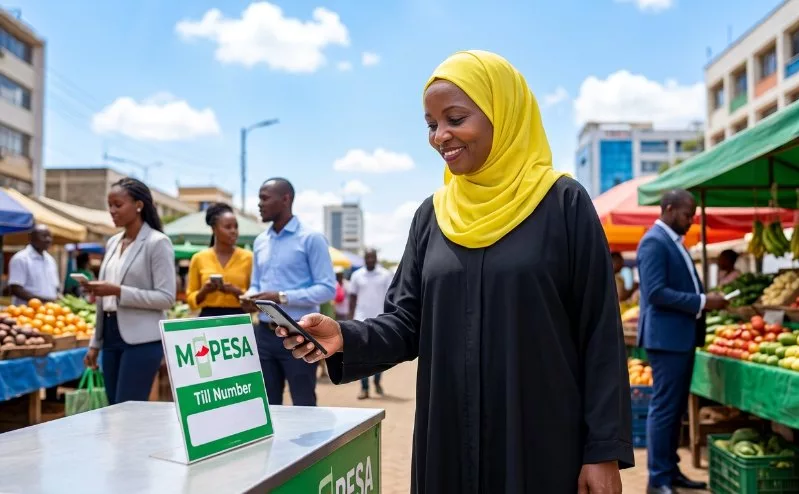
The number of people who did not accept cash or did not have loose cash for change made me realise just how different the society has become, and just how far left behind I was. Every single thing I bought at the historic site required M-pesa. Cassava crisps? M-pesa. Toys? M-pesa. Viazi karai? M-pesa!
I was simply unprepared for how far we had come in being a cashless society. Moreover, since M-pesa was the preferred mode of payment, no one asked for service charge costs. When I last left Kenya, we were required to add a ka-something on top for the payee to receive the actual payment he had requested.
No one seems to care about transaction fees anymore. If I take a tuk-tuk in Mombasa town and ride a short distance for Sh50 and I pay the tuk-tuk driver Sh100, six times out of 10, he would say he doesn't have change. He would then tell me to send him an M-pesa of Sh50. No transaction charge, no additional cost. Just Sh50.
I know we rely on M-pesa a lot as Kenyans. I just didn't realise how much we had become reliant on the service and making cash almost obsolete. Every time I handed cash to an Uber driver, they seemed flabbergasted at the payment method. Especially when I rounded off the number and they would have this look of, “Where do you think I will get change?” Until I assure them that the balance is theirs to keep.
The cashless society phenomenon followed me to the skies. Literally. On a domestic flight from Nairobi to Mombasa, the flight attendant went about selling his wares accepting only cash or M-pesa. Nearly everyone had M-pesa, which turned out to be a difficult situation for him as he had a limited number of people who were allowed to pay cash.
The lady behind me went on a tirade about how no one carries cash around anymore. She told him they needed to update their system as it was outdated.
It has been interesting to observe the new world order that is heavily electronic. Every time I come home, I feel a little bit left behind.
It reminds me of my Chinese friend when I tell her about a new car, mode of payment or something that is trendy. She would always exclaim, “Oh! That is so old! In China we have upgraded to…”
Kenya is definitely a trend-setter in sub-Saharan Africa. What is more impressive is that the trends grow around the needs and demands of the people, not the other way around.