President William Ruto will on Monday officially launch three programmes aimed at helping millions of Kenyans working in the informal sector access jobs, social security and formal skills certification.
The programmes, Fundi Locator, NSSF Haba Haba and the National Industrial Training Authority’s Recognition of Prior Learning (RPL) programme, are being rolled out under the National Youth Opportunities Towards Advancement (NYOTA) project.
The initiative brings together the State Department for Labour and Skills Development, NITA and the National Social Security Fund (NSSF) in a coordinated effort to improve the livelihoods of artisans and other informal workers.
The event will be held at the NITA offices in Athi River Centre, Machakos county.
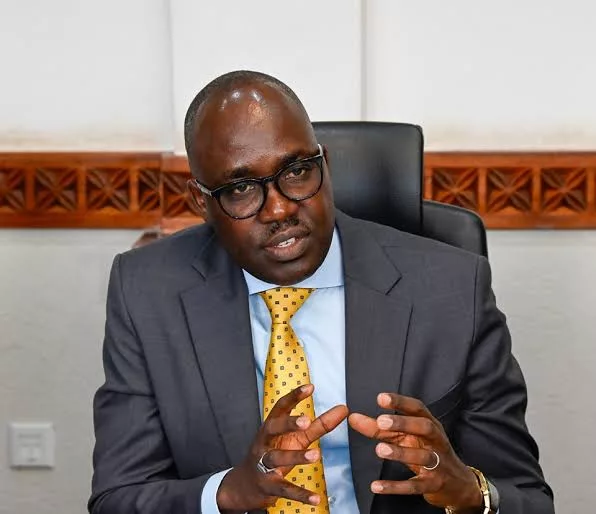
Labor Principal Secretary Shadrack Mwadime said the programmes are designed to address challenges that have for years affected skilled workers such as masons, electricians, plumbers, welders, mechanics, hairdressers and other technicians.
Many of these workers have acquired their skills through years of hands-on experience but lack formal certificates, social security protection and reliable access to customers.
The Fundi Locator is expected to help address the challenge of finding customers by creating a digital platform where artisans can register their skills and be identified by people looking for technicians.
The platform will allow customers to search for fundis based on their area and the services they offer, helping skilled workers expand their markets beyond their immediate neighbourhoods.
“This is about making our skilled workers visible and giving them an opportunity to access a wider market,” Mwadime said.
The government hopes the platform will also improve trust between customers and artisans by making it easier to identify workers whose skills have been assessed or verified.
The second intervention, NSSF Haba Haba, is aimed at helping informal workers save for their future.
Under the programme, beneficiaries will be enrolled on NSSF and assigned membership numbers, allowing them to make small and regular contributions through mobile money.
Workers will be able to contribute as little as Sh25 a day, making the scheme accessible to people whose incomes are irregular or seasonal.
The government says the initiative will help informal workers build savings that can provide financial security during retirement and emergencies.
“Even a small contribution made consistently can make a difference in securing a worker’s future,” the government said.
The third component is NITA’s Recognition of Prior Learning programme, which seeks to give experienced workers formal certification without requiring them to return to school for several years.
Through RPL, artisans will have their practical skills assessed against national occupational standards.
Those who demonstrate the required competence will receive formal recognition of their skills, helping them access better employment and business opportunities.
The programme is expected to benefit thousands of workers who have learned their trades through apprenticeship, mentorship or years of practical experience but have no formal qualifications.
Mwadime said certification could also make it easier for skilled workers to compete for jobs and contracts that require proof of qualifications.
The three programmes are therefore intended to tackle different challenges facing the informal workforce: access to customers, social protection and recognition of skills.
The government has increasingly placed the informal sector at the centre of its jobs and economic empowerment agenda, given the millions of Kenyans who earn their livelihoods outside formal employment.
Monday’s launch is expected to bring together government officials, artisans, trainees and other stakeholders as the administration seeks to strengthen support for the country’s informal workforce.
The government says the ultimate goal is to ensure that Kenya’s fundis are not only recognised for the skills they possess, but also have access to markets, savings and opportunities to grow their incomes.