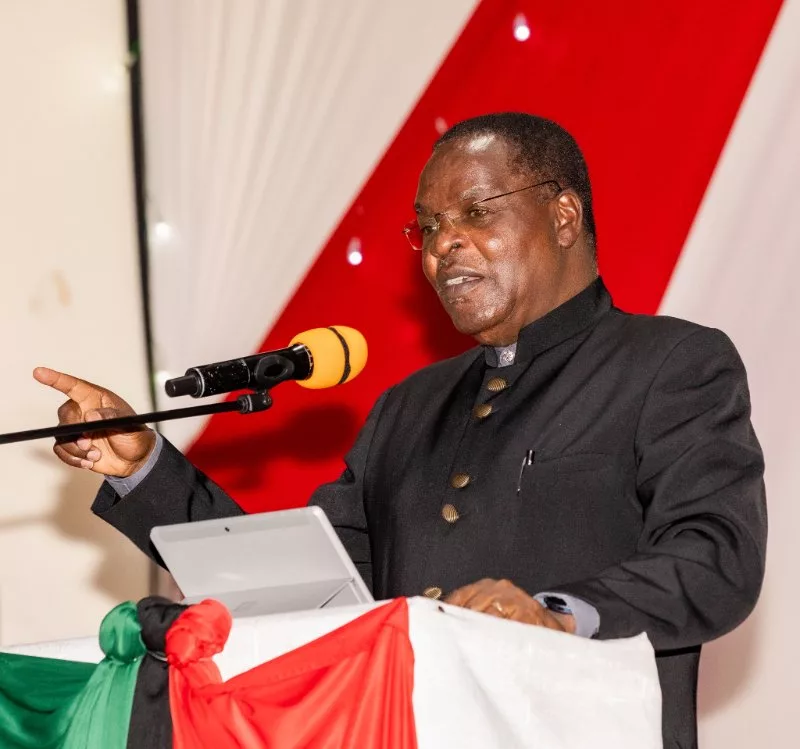
 EACC chair David Oginde/x
EACC Chairperson Dr David Oginde, while speaking at the National Stakeholders’ Convention at Ufungamano House, Nairobi, warned that dirty money could distort voters’ choices, give wealthy candidates an unfair advantage and fuel corruption once politicians take office.
Oginde said politicians who finance their campaigns using proceeds of corruption, money laundering and unexplained wealth could later feel compelled to reward their financiers through corrupt government dealings.
He cited inflated tenders, manipulated procurement processes and other corrupt arrangements as some of the ways politicians could repay individuals who bankroll their campaigns using illicit funds.
“There is no way we are going to build a society of integrity if we are beneficiaries of illicit resources,” Oginde said.
He addressed delegates on the topic, “Corruption and Politics in Kenya: How Illicit Money Drives Democracy and Viable Mitigations.”
Oginde said election campaigns should be based on leadership, values and principles rather than the financial strength of candidates.
He further cautioned that candidates with access to large amounts of illicit wealth could use their financial muscle to gain an advantage over others, potentially influencing voters based on the resources available to them rather than their leadership qualities.
The EACC chairperson urged religious leaders to play a role in preventing the normalisation of illicit wealth during the electoral period.
He said accepting or giving legitimacy to money obtained through corruption and other illegal means could undermine efforts to build a society founded on integrity.
He therefore called for greater emphasis on integrity throughout the electoral process, including how campaigns are funded and the sources of resources used by candidates.
The convention was organised by the National Council of Churches of Kenya (NCCK), the Kenya Conference of Catholic Bishops (KCCB) and the Supreme Council of Kenya Muslims (SUPKEM).
More than 150 stakeholders are attending the forum, which seeks to promote credible, peaceful and democratic elections.
The gathering is also developing strategies aimed at safeguarding the 2027 electoral process and strengthening the role of various stakeholders in promoting electoral integrity.
Oginde's warning places religious institutions among the groups expected to help discourage the use and acceptance of questionable funds during the election period.
The commission's message to religious leaders comes as preparations for the 2027 elections take shape, with stakeholders expected to play a role in promoting accountability and discouraging practices that could undermine public confidence in the electoral process.