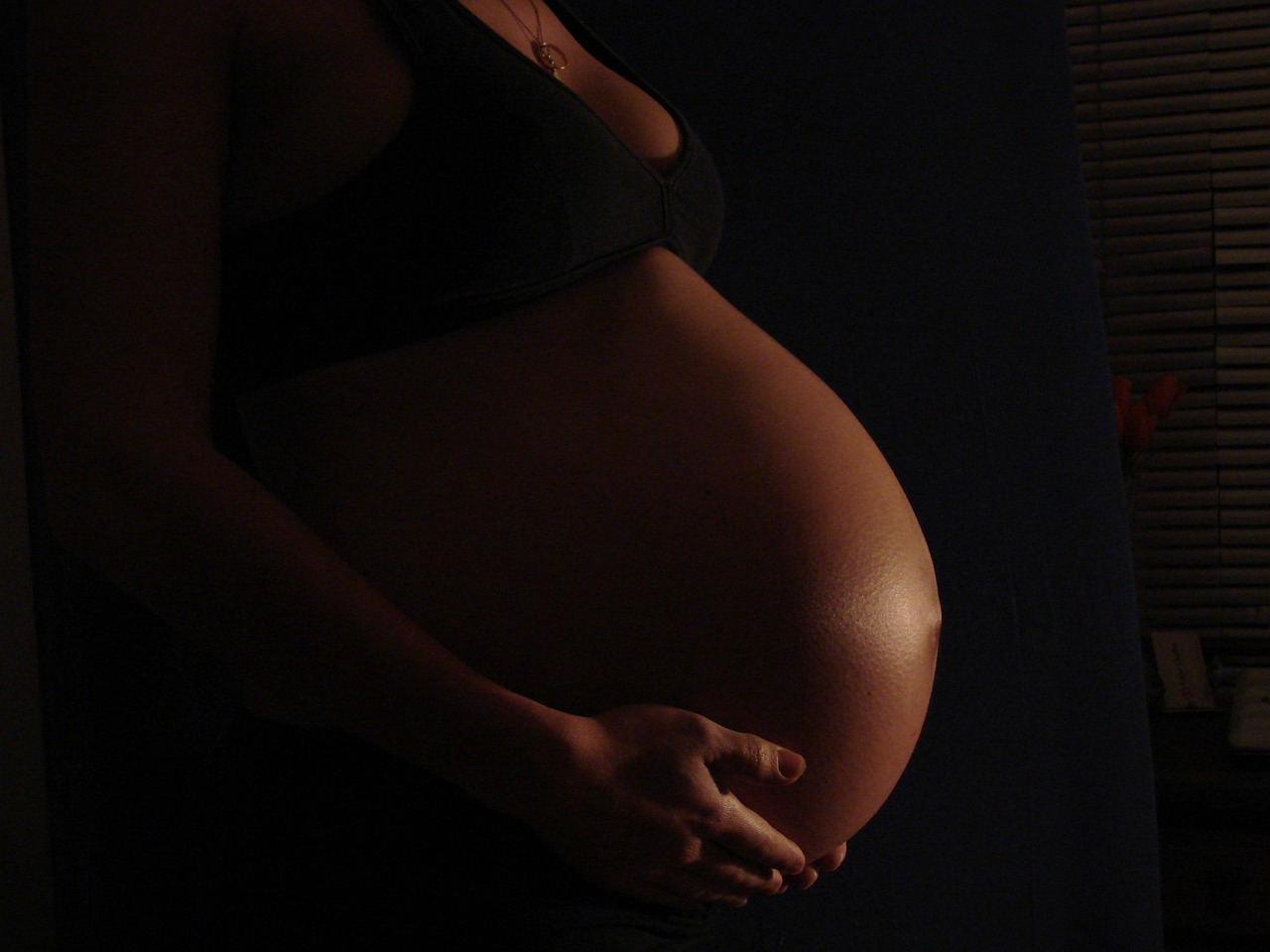
 Pregnancy. Only 37 per cent of facilities providing delivery services meet all the basic standards for emergency obstetric and newborn care.
Delays inside health facilities, where women and newborns arrive but fail to receive timely and quality care, are now the biggest driver of maternal deaths in Kenya, a new analysis shows.
The delay accounts for 45 per cent of the factors contributing to maternal and newborn deaths, compared with 30 per cent linked to delays in deciding to seek care and 25 per cent caused by difficulties in reaching health facilities.
Polycarp Oyoo, Programme Advisor at the International Centre for Reproductive Health Kenya (ICRHK), presented the findings during the Wanahabari Editors’ Roundtable in Nairobi on August 27.
“The 3rd delay happens INSIDE health facilities, when women and newborns arrive but don't receive timely, quality care,” Oyoo said.
The figures, drawn from the Kenya Quality of Care Survey 2023/24, challenge the common focus on transport, distance and the decision by women to seek medical help as the main barriers to safe childbirth.
Oyoo said only 37 per cent of facilities providing delivery services meet all the basic standards for emergency obstetric and newborn care.
The situation is worse for higher-level facilities. Only 46 per cent of level four and five hospitals had all nine functions needed for comprehensive emergency obstetric and newborn care.
There are also serious shortages of lifesaving medicines.
The presentation showed that 48 per cent of facilities had recently experienced stockouts of magnesium sulphate, while 47 per cent had run out of benzyl penicillin and 40 per cent had experienced oxytocin stockouts.
These medicines are important in managing complications that can quickly become fatal.
Staffing and diagnostic capacity are also weak. Only 12 of Kenya’s 47 counties meet the recommended ratio of 70 per cent medical staff to 30 per cent non-medical staff.
The presentation also showed that only 36 to 40 per cent of health workers correctly diagnosed and managed severe dehydration, postpartum haemorrhage or birth asphyxia.
Only 52 per cent of mothers had their blood pressure checked within 15 minutes of delivery.
Oyoo said the figures should change the way journalists report maternal and newborn health.
“The solutions are known. The editorial question is: are they reaching women?” he said.
He urged journalists to investigate drug stockouts, shortages of health workers and equipment, and weaknesses in care rather than concentrating only on deaths after they occur.
The presentation proposed stronger antenatal care, including early visits, blood pressure and anaemia screening and birth preparedness. At birth, women need skilled attendants, blood and essential medicines. After delivery, mothers need comprehensive postnatal care, monitoring and respectful treatment.
For newborns, immediate care, kangaroo care, breathing support and special units for small and sick babies can save lives.
Kenya has already started a major push to address some of these gaps through the Every Woman Every Newborn Everywhere Acceleration Plan 2026-2028. The programme includes a six-month rapid results initiative in 26 high-burden counties, targeting a 15 per cent reduction in facility maternal deaths, neonatal deaths and fresh stillbirths.
The Ministry of Health has also announced plans to recruit 5,000 nurses and midwives and provide additional funding for maternal health commodities.
Oyoo challenged editors to follow such commitments and establish whether they translate into better care at facility level.
Linda Bach, representing the Kenya Editors Guild president Zubeidah Kananu, said the media must move beyond reporting announcements and ask whether commitments are implemented and resources reach health services.
“We need to ask: What happened after the announcement? Were commitments implemented? Did resources reach the intended services? What are women and families experiencing? What is working, and can it be replicated?” Bach said.
She called for more county-level reporting because national figures can hide major differences in staffing, financing, commodities, referrals and quality of care.
Irene Choge of Wanahabari Centre said storytelling itself can help save lives if journalists report both failures and solutions.
“Tell the stories of what is not working. But also tell the stories of what is working,” Choge told journalists. “Ask the difficult questions. Tell the stories that hold people to account.”
The ICRHK presentation urged editors to make maternal and newborn health a continuing accountability story by investigating facilities, tracking county budgets and measuring whether government responses produce results.



![Africa CDC Director General Dr Jean Kaseya at a past event. [Photo: Arthur Mbuguah, WHM]](https://cdn.radioafrica.digital/image/2026/10/8ced213c-affb-4dff-97ca-1b6bac1f958e.webp)