 AHF debuts “Wellness on Wheels” - New EV mobile unit increasing access to free STI services
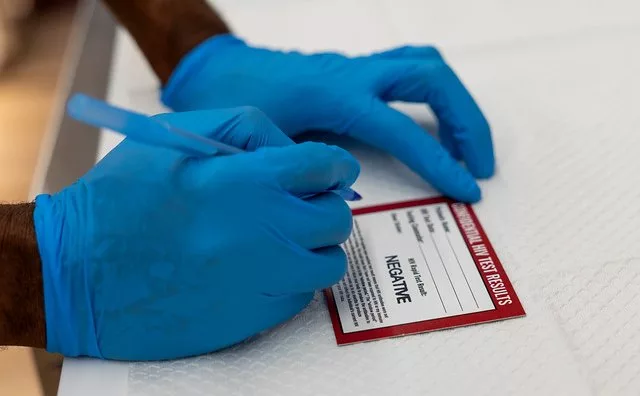
As Kenya joins the world in marking World Sexual Health Day, AIDS Healthcare Foundation (AHF) is calling for sustained access to prevention, testing and treatment services for HIV and other sexually transmitted infections (STIs), stressing that sexual health must remain an integral part of the country's broader health agenda.
Kenya has made significant progress in its HIV response, but HIV remains an important public health challenge. According to the Kenya 2026 HIV Estimates, approximately 1,481,853 people are living with HIV in Kenya, while an estimated 13,936 new HIV infections and 19,434 AIDS-related deaths occur annually. National HIV prevalence among people aged 15-49 is estimated at 3.22%.
The figures demonstrate the importance of sustaining Kenya's gains while ensuring that prevention, testing and treatment services remain accessible to everyone who needs them. They also reinforce the need to continue closing gaps in awareness, treatment access and viral suppression.
Beyond HIV, sexually transmitted infections remain an important sexual and reproductive health concern. Many STIs can occur without visible symptoms, meaning people may unknowingly transmit infections or delay seeking treatment. Globally, more than one million STIs are acquired every day, while syphilis, chlamydia, gonorrhoea and trichomoniasis continue to affect millions of people each year. Declining global health funding and reduced access to condoms and routine screening threaten to further fuel rising STI rates.
“Sexual health deserves the same investment and urgency as any other part of a person's health care,” said Terri Ford, AHF Chief of Global Advocacy, Policy & Marketing. “Over our decades of experience, we know what works-testing, treatment, and condoms.”
AHF is calling for expanded routine screening for HIV, syphilis and other STIs, particularly among pregnant
women and people at higher risk, as well as continued access to free or low-cost condoms and other prevention services.
The organisation is also advocating for greater integration of HIV and STI services so that people can access testing, treatment and prevention in a single visit, free from judgement or stigma.
For Kenya, maintaining accessible sexual health services will be critical to protecting the progress already achieved in the HIV response. Prevention efforts must continue alongside treatment, with communities having access to accurate information, condoms, testing and timely care.
Through its 'Syphilis Is Serious: It's Curable. Get Tested.' campaign, 'Just Use It!' condom advocacy and AHF Wellness Center model, AHF continues to promote access to testing, treatment and stigma-free sexual health services across the countries where it works.
World Sexual Health Day, observed annually on September 4, is a reminder that sexual health is inseparable from overall health and well-being.
AHF continues working to ensure that testing, treatment and prevention reach everyone, everywhere.



![Africa CDC Director General Dr Jean Kaseya at a past event. [Photo: Arthur Mbuguah, WHM]](https://cdn.radioafrica.digital/image/2026/10/8ced213c-affb-4dff-97ca-1b6bac1f958e.webp)