Kenyan patients could soon be protected from the commercial sale of human organs.
A proposed law seeks to impose fines of up to Sh50 million and jail terms of up to 25 years for those involved in the trade.
The Kenya Blood, Cells, Tissues and Organs Bill, 2026 seeks to outlaw the sale, trafficking and other commercial dealings in human organs, cells and tissues.
Organ donors, according to the bill, would only be reimbursed the donation-related expenses.
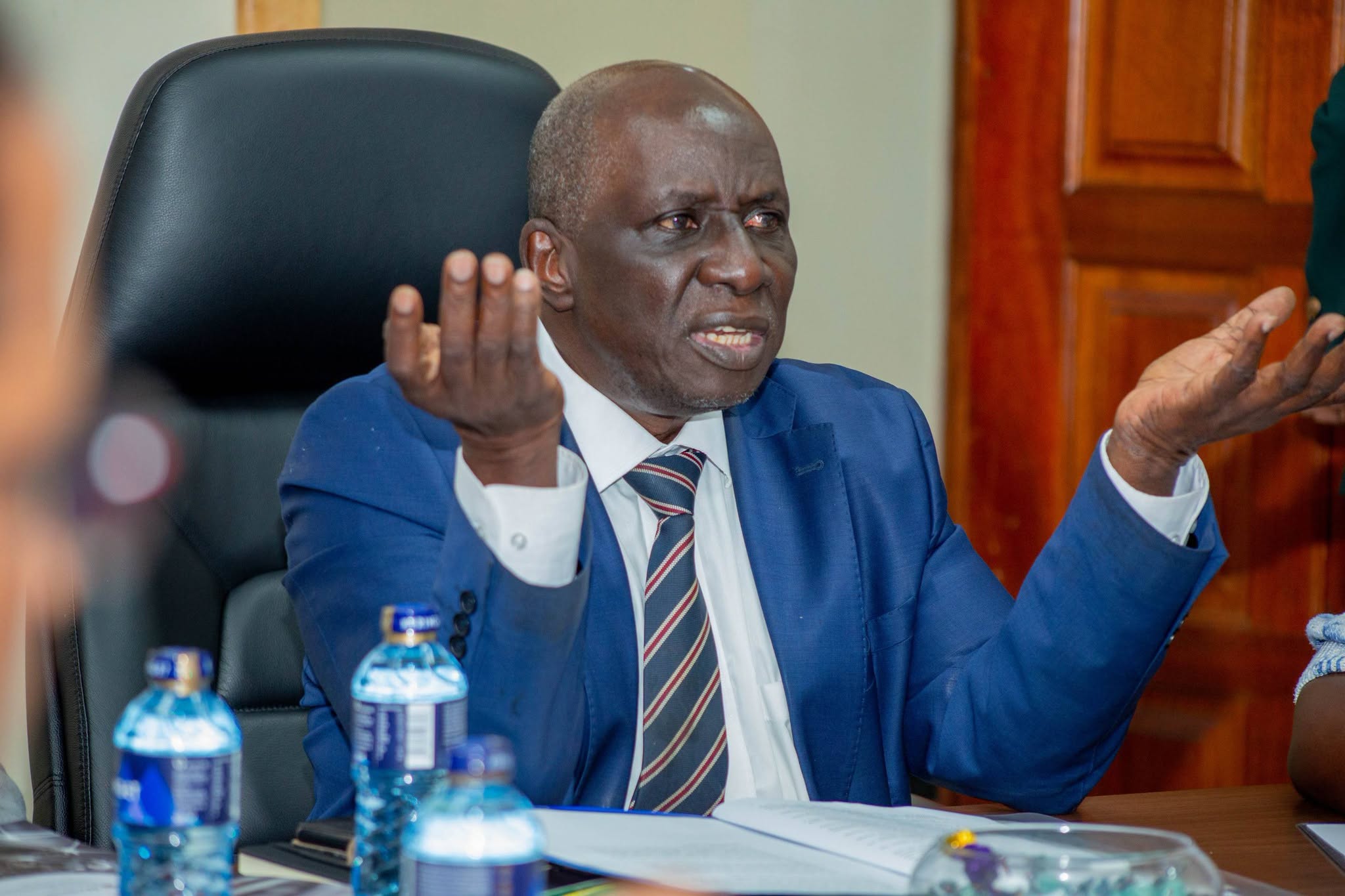
The bill sponsored by the National Assembly Health Committee chaired by Seme MP James Nyikal outlaws the sale of organs by living donors.
“A person who sells one or a pair of organs by a living donor for financial or any other form of compensation, commits an offence,” it states.
The proposed law would also target those who facilitate the trade, including people who seek individuals willing to supply organs for payment.
Those who arrange or negotiate organ transactions or advertise organs, cells or tissues for sale would also be targeted.
“A person who offers to supply any human organ, cell or tissue for reward or seeks to find someone willing to supply one for payment commits an offence.”
The push for the law peaked in 2025, when the CS Aden Duale-led Health ministry suspended kidney transplants over alleged organ harvesting at a hospital in Eldoret.
The facility, which was also accused of irregularities in patient recruitment, was later cleared in a parliamentary probe.
The probe exposed glaring gaps in the country’s legal space for organ transplants, which the proposed law seeks to address.
“A person shall not trade in human organs, cells and tissues or traffic in human organs, cells and tissues,” the bill states explicitly.
It also bars anyone from obtaining “financial gain or comparable advantage from the medical and scientific use of human body and its parts”.
However, the proposed law distinguishes between commercial sale and legitimate expenses incurred by donors.
It allows reimbursement for transport, removal, preparation, preservation and storage of organs.
Donors could also be compensated for the loss of earnings directly attributable to the donation.
“A person who receives monetary or other compensation for cells, tissues or organs, other than permitted reimbursement of donation-related expenses, would commit an offence and face a fine of up to Sh50 million, imprisonment for up to 25 years, or both.”
At the same time, the bill is establishing a national system for allocating donated organs to patients waiting for transplants.
A proposed Kenya Blood and Transplant Authority (KBTA) would regulate and coordinate blood and transplant services.
It would also be the agency to enforce the proposed sanctions on the commercialisation of human body parts.
Expenses for medical examinations, legitimate medical or technical services and undue damage resulting from retrieval would also be reimbursed.
In the proposed law, the recipient would be required to report any compensation to the authority.
Beyond banning the organ trade, the bill proposes a national waiting list intended to determine who gets access to scarce donated organs.
“The authority shall establish and maintain a national waiting list for recipients of individual cells, tissues and organs," the bill says on the list usually operated on a strict first-come-first-served basis.
The proposed system is aimed at creating a central framework for identifying and prioritising patients requiring transplants.
KBTA is expected to ensure organs, tissues and cells are allocated to patients on the waiting list through a system that is fair and transparent.
Clause 57 states that allocation “shall not be influenced by politics, race, ethnicity, sex, religion or financial status”.
It is to ensure that scarcity of donated organs does not favour patients because of political connections, wealth or other discriminatory considerations.
KBTA would also be required to maintain records showing when organs are requested, offered and delivered.
The records would be available for examination, creating a traceable chain from identification of a potential donor to the eventual recipient.
The authority would receive notifications of potential donors from retrieval facilities, authorise retrieval and coordinate the allocation and distribution of organs.
Where no suitable recipient is identified on the national waiting list, the authority could authorise allocation to a recognised international transplantation programme with which Kenya has an agreement.
The provision is intended to prevent donated organs from going to waste where there is no compatible recipient in Kenya.
The bill also provides for importation and exportation of cells, tissues and organs from internationally recognised transplant programmes.
The proposed controls extend beyond allocation and commercialisation to the entire transplant chain.
Potential living donors would have to be enlisted in a national donor registry, screened and tested for transmissible diseases.
They would also be assessed for the viability and suitability of their cells, tissues or organs.
For living non-related donors, prior authorisation from the authority would be mandatory.
KBTA is to authorise such donation where the donor is willing and consents and “the procedure carries minimal risk and burden to the donor”.
For deceased donors, retrieval facilities would be required to notify the authority of potential donors.
They are being banned from removing organs, tissues or cells without KBTA’s approval.
The bill also sets out procedures for brain death and circulatory death before organs can be retrieved.
Brain death would have to be confirmed by two independent teams of qualified health professionals eight hours apart.
“A person who retrieves human organs, cells or tissues without authorisation could face a fine of up to Sh50 million or imprisonment for up to 25 years, or both.”
KBTA will replace the National Blood Transfusion, Tissue and Human Organ Transplant Services.
A proposed Blood and Transplant Appeals Tribunal would hear appeals against decisions on registration, licensing and unresolved complaints.