I know of a couple of MPs currently serving, who are preparing to offer themselves to the judgement of the electorate for the fourth time in 2027.
Neither of them has officially announced that they are running for re-election. But like so many others in politics, these are people for whom public service is an addiction they have no intention of curing.
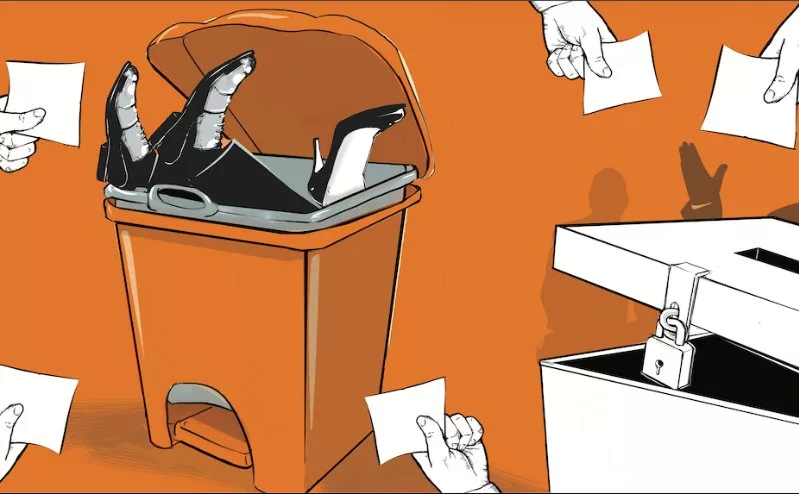
For Kenya, these MPs are an exception. More frequently, politicians only get a single term in office before being, as Kenyans love to put it, “tossed into the dustbin of history”.
I thought of these Kenyan MPs just a few weeks ago, as I read of the recent death of a prominent American senator, Lindsay Graham, who at the time of his death had been a US senator for 23 years.
Not that he was in any way a record holder for long service in that august body: in fact, he is not even in the same league as the real titans of the US Senate who served over the past few decades.
These include Robert Byrd (who served for 51 years), Daniel Inouye (49 years), Ted Kennedy (46 years), and perhaps most amazing of all, Strom Thurmond, who served for 47 years and was still in office when he got to 100 years of age.
I believe most Kenyans will agree with me that although we too have no term limits for senators, just like the US, it is virtually impossible that we will one day have senators who have served for 30 or 40 or 50 years – much less remained in office until they were 100 years old.
Kenyan voters are famously ruthless, and “send home” (as they like to say) roughly 65 to 70 per cent of elected leaders in every general election.
This brings me to a subject I have been writing about regularly for some time, as we gear up for the election season.
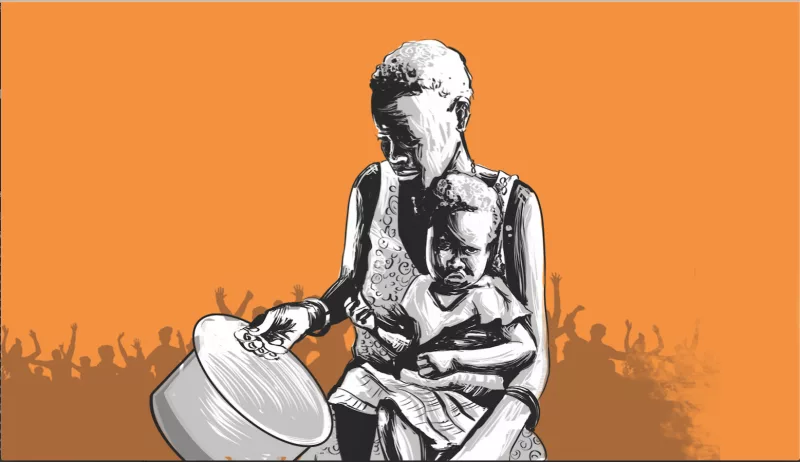
This is that although by any logic, what should matter most to Kenyan voters is the realistic prospect of adequate economic opportunity, we find that when it comes to the actual casting of votes, all kinds of other factors seem to carry more weight.
I came across an essay not too long ago, which argued that the most important factor in democratic elections is that they offer the ordinary man or woman “an opportunity for self-correction”.
In other words, if a people feel that they made a mistake in voting for any leader, at any level of the governing structure, they do not have to resort to extreme measures. They just need to wait until the next election and then mobilise to throw him or her into the dustbin of history.
With our very high rate of rejection of serving leaders, that “dustbin of history” must be very full by now, and no doubt will be even more full after the August 2027 General Election.
I should also add that if the pre-election period of the upcoming general election will at all be like the previous pre-election periods, we can look forward to a generous flow of funding from the “donor community” (diplomatic missions to Kenya representing rich nations) dedicated to “civic education”.
This process has been going on for many election cycles now, and involves local NGOs supported financially so that they may implement community education programmes all over Kenya
The objective is to educate the public on how to use their power at the ballot box to secure the benefits of good governance, such as better education and health facilities, job creation, respect for human rights, etc.
Despite all this expertly delivered civic education, the voters will then go out and cast their ballots for a candidate whom, five years later, they can be relied on to “toss into the dustbin of history”.
The question then arises: why do we as Kenyans seem to keep making the same mistake?
How many election cycles will we need before Kenyans vote in leaders who can safely occupy high office for longer periods, because they are seen to deliver the economic opportunities that ordinary Kenyans crave?